
REVIEW · SIEM REAP
4 Hours-Siem Reap Authentic Village and Homemade Whisky
Book on Viator →Operated by Asia Future Travel · Bookable on Viator
Rice farming and whisky, minus the crowds. In about 4 to 5 hours, I love the Chreav Village walk and the hands-on feel of rural life, and I also like how the day centers on rice spirit (local homemade whisky). The one thing to consider is the early start at 7:00 am and the fact you’ll be walking around a village, in the morning warmth.
This is built for small groups, with a maximum of 7 people, and you go with an experienced, licensed English speaking guide. Pickup is offered, and you get bottled water and snacks, which helps when you’re learning and moving nonstop through rice country.
In This Review
- Key highlights you’ll feel on day one
- A 7:00 am start for real countryside life (max 7 people)
- Tola Angkor Guide and a family-run farming perspective
- Rice milk production: the quiet skill behind Cambodian meals
- The flexible rice spirit village walk: how homemade whisky fits
- Local market exploration: village supplies, village rhythms
- Rice farming and processing: from fields to everyday work
- Village walk and traditional Khmer house visit
- Scenic drive past local fauna for photo breaks
- Price and value: what $85 really buys you
- Should you book this village and homemade whisky tour?
- FAQ
- How long is the Siem Reap Authentic Village and Homemade Whisky tour?
- What’s included in the $85 price?
- Is pickup available?
- What group size should I expect?
- Is a mobile ticket used?
- What is the cancellation policy?
Key highlights you’ll feel on day one
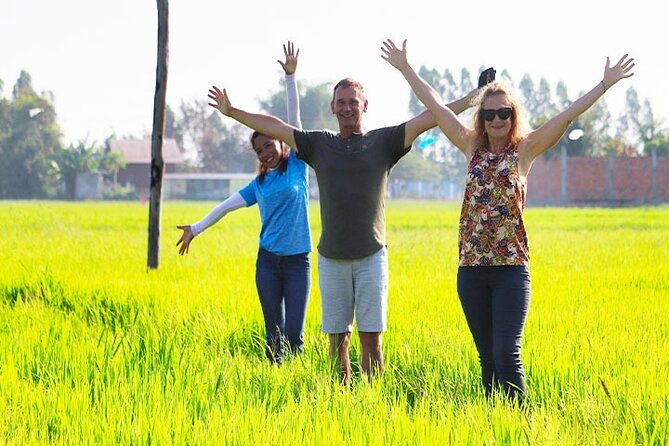
- Chreav Village time: a real village walk plus a traditional Khmer house visit
- Rice milk production: see how a key ingredient starts
- Rice spirit brewing walk (flexible): the whisky story changes from one tour to another
- Local market exploration: everyday trade and village supplies
- Scenic drive for photos: a last stretch with good “Cambodia in the morning” views
A 7:00 am start for real countryside life (max 7 people)
If you like your Siem Reap memories to go beyond temple selfies, this is a smart half-day. The tour begins at 7:00 am, and that early timing matters: you get village scenes before the day gets hot and before the main tourist rush builds around the city.
The small group size—up to 7 travelers—also changes the feel. In a small group, your guide can slow down when questions pop up, and you’re more likely to notice details like how people move through their morning routines. You’re also less likely to get rushed through the places that are meant for observation and conversation.
Plan for a modest day: it’s roughly 4 hours, sometimes running to 5, and you’re going to be on your feet during the village portions. Wear shoes you don’t mind getting dusty, and bring sun protection. I’d also recommend keeping your phone camera ready, because the tour includes multiple “look at this” moments.
Tola Angkor Guide and a family-run farming perspective
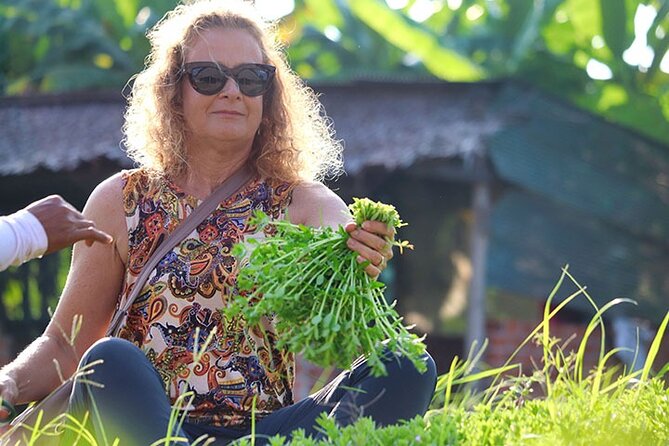
One of the best parts for me was the human angle. The tour is led by Tola Angkor Guide, and the experience is powered by local, farming-connected knowledge. The vibe isn’t a scripted lecture. It feels like someone is showing you how their community eats, works, and keeps traditions alive.
In the best cases, you’ll notice that the guide’s explanations come from real background rather than just memorized facts. That matches what you came for: not just seeing Cambodia, but understanding how rural life works when you strip away the big-ticket attractions.
You’ll also spend time with the people who support the tour—like the tuk tuk driver—so you’re not just chauffeured from one stop to the next. It’s more like a guided morning conversation, with short travel breaks between meaningful activities.
The practical takeaway: if you enjoy asking questions—food questions, work questions, daily life questions—this is set up for that.
Rice milk production: the quiet skill behind Cambodian meals
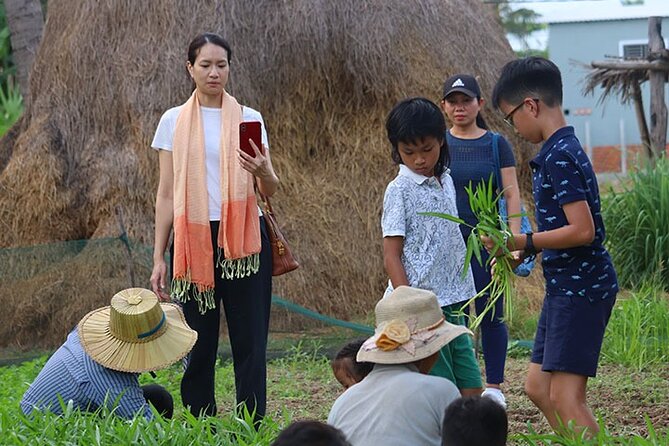
This tour starts getting interesting fast with rice milk production. You’re not just hearing that rice is important here. You’re learning how a rice-based drink is made and why it matters in everyday cooking and tradition.
Even if you’ve had rice milk before, rural production is different from factory packaging. The value in this stop is understanding the steps in a lived setting, where ingredients, tools, and routines connect back to the farming cycle. It’s also a good mental reset: while Siem Reap is famous for temples, this shifts your brain toward the country that feeds temple offerings and daily life alike.
One practical point: bring curiosity. The guide will likely explain the process while you watch, and you’ll get more out of it if you’re open to small details—how things are handled, how people talk about quality, and how the work fits into the day.
There’s also something calming about this stop. Rice milk production isn’t chaotic. It’s methodical. In a short tour, that kind of pace can feel like a breath of fresh air.
The flexible rice spirit village walk: how homemade whisky fits
The tour’s standout theme is rice spirit brewing, often described as local homemade whisky. You’ll do a village walk connected to it, and the exact experience is flexible, meaning it can vary from one tour run to another.
What that means for you: don’t expect a single fixed script. Instead, expect a community-centered look at a practice that’s tied to rice processing and village life. Even if the details change, the overall point stays the same—this is a rural tradition connected to agriculture, not a staged performance.
If you’re a bit cautious around alcohol topics, you can still enjoy this stop. The tour is framed around learning the brewing secrets and understanding how this part of village culture fits with food and farming. It’s more cultural context than a nightclub vibe.
The only consideration is that “flexible” also means you should stay flexible in your expectations. If you want a very predictable checklist of what you’ll see minute by minute, this part might feel less structured. If you like a lived, local pace, that variability is part of the charm.
Local market exploration: village supplies, village rhythms
Next comes local market exploration, and this is where rural life gets visible fast. Markets are where you see what people need, what they buy regularly, and how goods move through the community.
This stop is valuable because it connects the earlier food theme to the day-to-day reality of village life. You’ve been thinking about rice and processing; now you’re watching how people shop, bargain, and stock up. Even when you don’t buy anything, you’ll learn by observation.
Here’s a practical way to get the most out of it: treat the market like a conversation. Ask your guide what items are common, what’s seasonal, and why certain goods matter to local households. The better the questions, the more you’ll get out of short market time.
Also, keep your wallet organized. Markets are practical places. If you want small snacks or local products, have some cash ready. The tour includes snacks, but market browsing is where you might want extra.
Rice farming and processing: from fields to everyday work
You’ll then move into rice farming and processing, which is the backbone of the day’s theme. This is where the tour earns its authenticity: agriculture isn’t an accessory here. It’s the schedule.
Watching or hearing about traditional rice processes gives you context for everything else you’ve seen: the rice milk production, the rice spirit brewing walk, and the village routines you’ll notice during your stroll. It’s the chain reaction of rural life—farm work feeds food work, and traditions grow out of that rhythm.
There’s also something quietly impressive about seeing how much labor and know-how goes into what ends up on a table. In cities, food can feel instant. In rural Cambodia, you understand the long path between field and meal.
One note for your comfort: farming and processing areas may involve uneven ground or walkways. This isn’t a “sit and watch from a platform” experience. You should be ready for a bit of walking and standing.
Village walk and traditional Khmer house visit
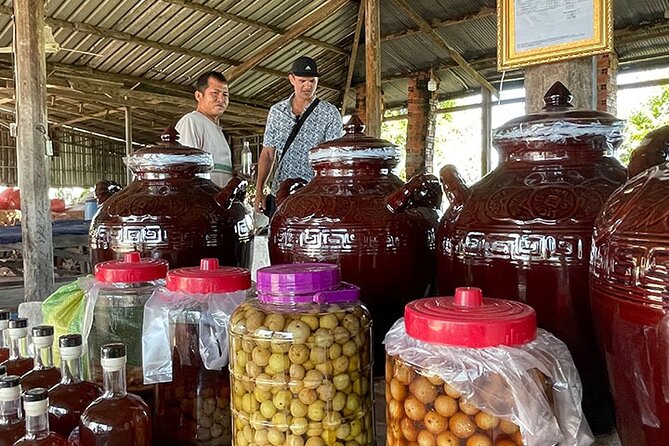
The tour continues with a village walk and a traditional house visit. This is one of your best chances to understand how people actually live, not just what they do.
House visits matter because they connect daily life to culture. You get to see home design, household space, and how families move through their day. Even small details can tell a bigger story—how rooms are used, where routines happen, and how the home supports local work.
This is also where the tour becomes less about production and more about people. I like these stops because they remind you that farming isn’t a separate activity. It’s a way of living that shows up in the home, in food choices, and in the attitudes people bring to work.
If you’re sensitive to privacy, be respectful and follow your guide’s cues. Don’t assume every space is open for photos. Listen first, look second, and ask before you shoot.
Scenic drive past local fauna for photo breaks
After the village portion, you get a scenic drive past local fauna, with photographic opportunities. This isn’t a long “drive around for scenery” segment. It’s more like a gentle handoff from work-and-homes to calmer views.
This final stretch is nice because it gives your brain time to absorb what you learned. You’re not still in explanation mode. You can just enjoy the morning atmosphere and capture a few frames that feel more like memory than content.
If you have a camera, this is a good time to use it. Wildlife sightings can be unpredictable, but the idea here is the same: rural Cambodia isn’t all fields and carts. It’s also living nature around the roads.
Price and value: what $85 really buys you
At $85 per person, this is a mid-priced half-day by Siem Reap standards, but the value comes from the setup.
You get:
- an experienced licensed English speaking guide
- bottled water and snacks
- the focused rural itinerary tied to rice production and village life
- a mobile ticket
- pickup is offered
- and admission is listed as free for the activity
The small group limit (up to 7) is part of the price equation. In a bigger group, rural tours can start to feel rushed. Here, the structure supports slower learning and more conversation.
The main cost you’ll want to plan for is personal expense, since it’s not included. Translation: if you want to buy market items or pay for anything extra on the day, keep a little buffer.
So who gets good value? You will, if you like cultural learning that feels grounded and if you’re okay with an early start and some walking.
If you’re the kind of traveler who wants lots of temple time or prefers fully sedentary sightseeing, this might feel like you’re choosing depth over flash.
Should you book this village and homemade whisky tour?
I’d book it if you want a small-group morning that explains rural Cambodia through rice, markets, and everyday living. The mix of rice milk production, rice spirit brewing context, and a traditional house visit makes it more than a quick photo stop. Plus, the guide’s farming-connected perspective (Tola Angkor Guide and the family crew) is the kind of detail that makes a tour feel real.
Skip it (or reconsider) if:
- you strongly dislike early starts
- you want a fully predictable, step-by-step itinerary for every minute
- you want mostly “seats and views” instead of village walking
In short: if your travel style leans toward understanding how people live, this is an easy yes.
FAQ
How long is the Siem Reap Authentic Village and Homemade Whisky tour?
The tour runs about 4 to 5 hours.
What’s included in the $85 price?
It includes an experienced licensed English speaking tour guide, bottled water, and snacks. Admission is listed as free for the activity.
Is pickup available?
Yes, pickup is offered.
What group size should I expect?
The tour has a maximum of 7 travelers.
Is a mobile ticket used?
Yes, the tour uses a mobile ticket.
What is the cancellation policy?
You can cancel for a full refund up to 24 hours before the experience’s start time, with the cutoff based on the local time in Siem Reap. If you cancel less than 24 hours before, the amount paid is not refunded.