
REVIEW · DORDRECHT
Dordrecht: Distillery Tour with Dutch Gin & Genever Tasting
Book on GetYourGuide →Operated by Distilleerderij Rutte · Bookable on GetYourGuide
Gin and genever in 25 minutes—yes, really. The Rutte Distillery mini tasting in Dordrecht is a tight, friendly introduction to Dutch gin and genever, taught by a live host inside a working distillery setting. You get the “how it’s made” story, then a guided tasting that helps you sort out what you’re actually drinking.
What I like most is how practical it feels. You’re not just handed sips. You tour the production area, including the pot still and barrels, and you learn what traditional botanical distilling means in real life—not in theory. I also love that it starts with a mini gin and tonic made with their Dutch Dry Gin, so you get a baseline immediately.
One thing to consider: this is short and it runs on a steady pace. If you’re slow-reading Dutch explanations, you may feel slightly rushed, and you’ll need to be 18+ with ID ready for the tasting room.
In This Review
- Key things I noticed about the Rutte mini tasting
- Dordrecht’s Rutte Distillery: what this mini tasting is really for
- Step-by-step: what happens during the 25-minute experience
- 1) Check-in at the shop before you enter
- 2) A mini Gin & Tonic gets your taste buds calibrated
- 3) The guided story: gin, genever, and liqueurs in context
- 4) You see the still and the barrels
- 5) Tastings of gin and genever
- 6) How to enjoy them (and mix them) when you’re back home
- Price and value: is $11 worth it?
- What you’ll learn (and why it helps outside the tasting room)
- Learn the gin vs genever difference without getting lost
- Understand traditional botanical distilling in everyday terms
- Get better ordering instincts
- The staff and pacing: what the best ratings tell you to expect
- Who should book this Dordrecht tasting (and who might skip it)
- Practical tips so you enjoy it more
- Should you book the Rutte Distillery mini tasting?
- FAQ
- How long is the Dordrecht Rutte Distillery mini tasting?
- What does the tour cost?
- Is the tasting only for adults?
- What should I bring for the tasting?
- Where do I meet for the tour?
- What will I taste during the mini tasting?
- Is food included?
- Is the tour in English?
- Are pets allowed?
- Is this activity suitable for everyone?
Key things I noticed about the Rutte mini tasting
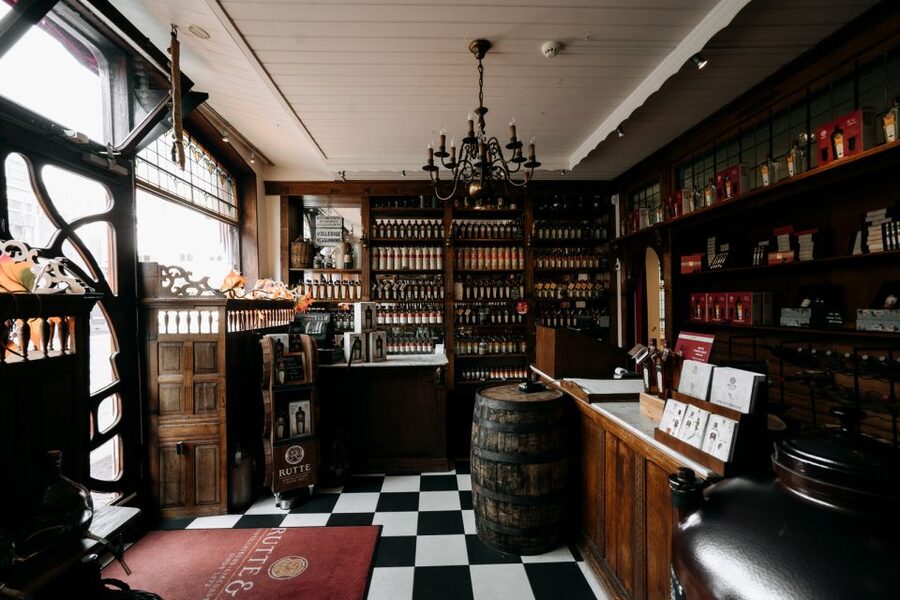
- Gin and tonic first: you begin with a mini Gin & Tonic made using Rutte’s prize-winning Dutch Dry Gin.
- You see the hardware: the host shows the pot still and the barrels used for their products.
- Traditional methods, in plain language: you’re taught botanical distilling in a way that makes the process feel understandable.
- Genever vs gin clarity: you leave knowing the difference and what that means for taste.
- A small, conversational vibe: it’s designed as a compact, convivial introduction rather than a long lecture.
Dordrecht’s Rutte Distillery: what this mini tasting is really for
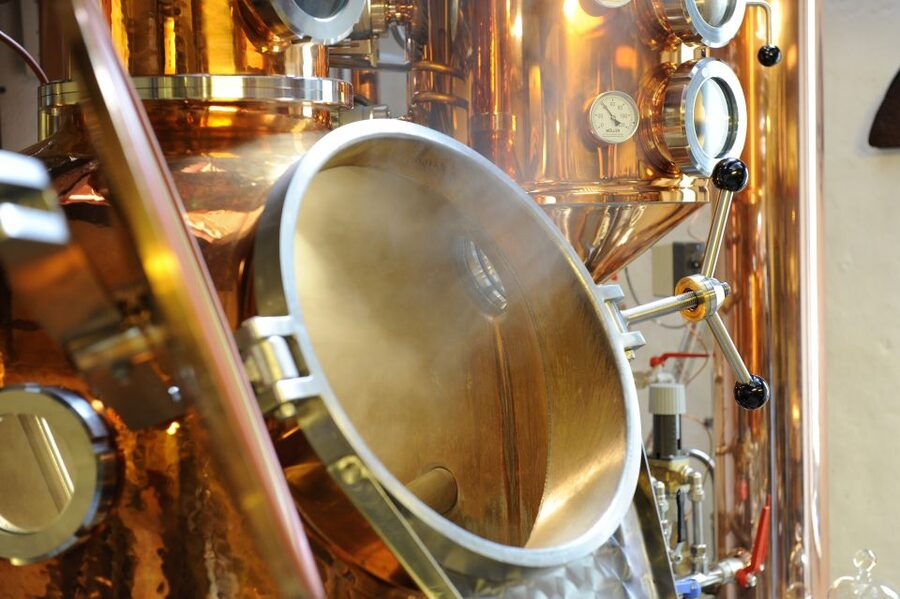
If you want a “taste first, learn fast” experience, this one fits nicely. Distilleerderij Rutte has been making gins, genevers, and liqueurs in Dordrecht since 1872, and the mini tasting is built as an entry point. It’s not trying to turn you into a distillation engineer. It aims to help you understand what’s in the bottle and why it tastes the way it does.
You’ll do this inside a historical distillery setting, with a live host guiding you through the main story. The big win is that the tasting stays connected to the production side. When the host talks about ingredients, steps, and equipment, it doesn’t feel random—you can literally look around while the explanation lands.
The format also matters for time. At around 25 minutes, it’s easy to tack onto an afternoon in Dordrecht without turning your day into a spreadsheet of reservations. And because it’s a tasting room experience for adults only, it keeps the atmosphere focused on sipping, learning, and asking quick questions.
Step-by-step: what happens during the 25-minute experience
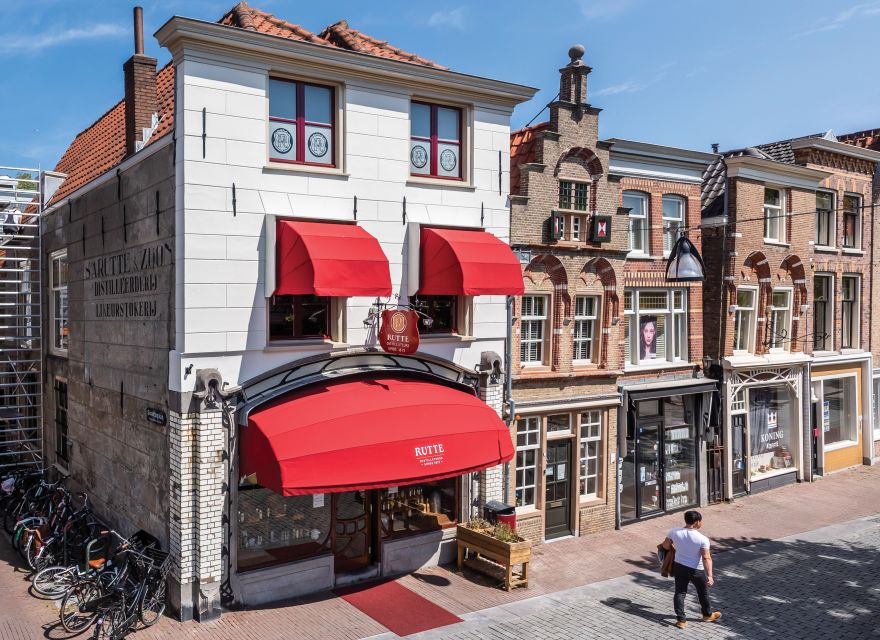
This is the flow you can expect, in the order you’ll likely experience it.
1) Check-in at the shop before you enter
Plan on starting at the distillery shop: you show your ticket before the tasting begins. This small step matters because you want to be in the right place before the host starts the explanation and pours anything. Once you’re confirmed, you’ll move into the tasting experience.
A practical tip: bring your passport or ID card. The tasting room is strictly 18 years and older, and they do require ID.
2) A mini Gin & Tonic gets your taste buds calibrated
The tasting begins with a mini Gin and Tonic. The gin is Rutte’s Dutch Dry Gin, described as prize-winning. That’s a smart way to start. You’re not guessing what “their gin” tastes like because it’s paired right away with tonic.
For you, this is useful because it gives an immediate reference point. Later when you taste other pours (including genever and gin), you’ll notice differences faster. Dry gin tends to read different on the palate than genever, and having that first sip makes it easier to compare.
3) The guided story: gin, genever, and liqueurs in context
After the first drink, your host takes you through Rutte’s history and the basics of what makes gin and genever distinct. The key is that the explanation connects the product to the craft: how the distillery’s traditional approach shapes flavor, and how botanical distilling fits into the process.
If you care about labels, you’ll appreciate this part. “Gin” can be a broad word. “Genever” can sound mysterious if you’ve only ever had modern gin cocktails. The tour helps you sort out what the names mean, and why the taste profile can land differently in a glass.
4) You see the still and the barrels
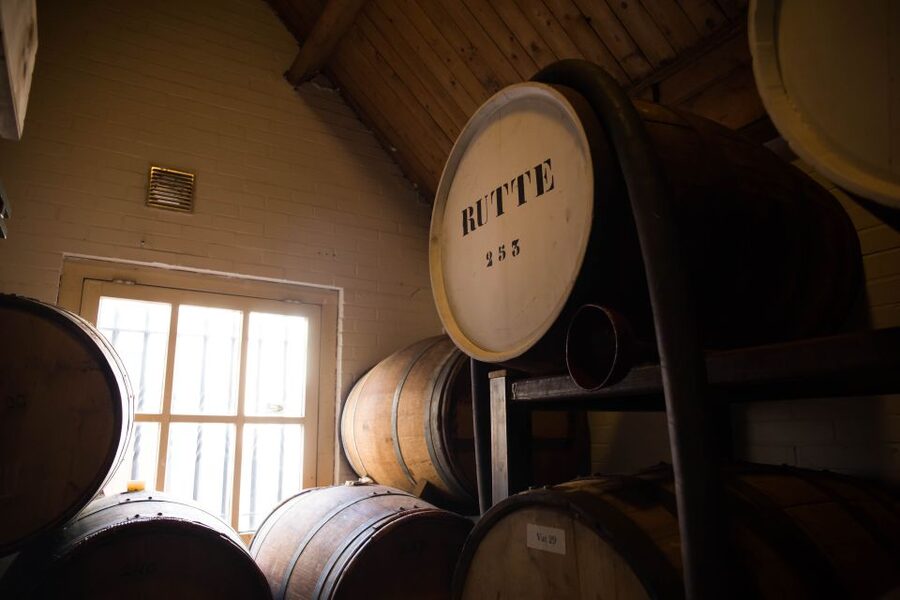
Next comes the production view: you’ll visit the pot still and see the barrels used for making their products. Seeing equipment changes how you understand the talk. A host can tell you something about distilling time and method, but seeing the still makes it more real.
The tour also mentions how long it takes to create the final product. They don’t just say it’s quick or complicated—you get a sense of the timeline and why the process can’t be rushed.
5) Tastings of gin and genever
Then you taste a few products. Based on what’s included here, you’ll focus on gin and genever. You’ll likely get a comparison built into the order of pours, with the host pointing out how you can recognize the differences.
This is where I’d pay attention to how the flavors behave—not just how they taste. Gin often reads sharper and more botanical, while genever can feel rounder and more grain-adjacent. If you’ve never had genever before, this is a fast way to learn the “translation” between the styles.
6) How to enjoy them (and mix them) when you’re back home
The tour closes with practical guidance: you’ll know the difference between gin and genever, plus the best ways to enjoy the products or how to mix them.
This is more valuable than it sounds. A good tasting doesn’t end with “that was good.” It gives you next steps. You leave with a better sense of what to order in bars in the Netherlands, and how to think when someone offers a genever cocktail versus a gin and tonic.
Price and value: is $11 worth it?
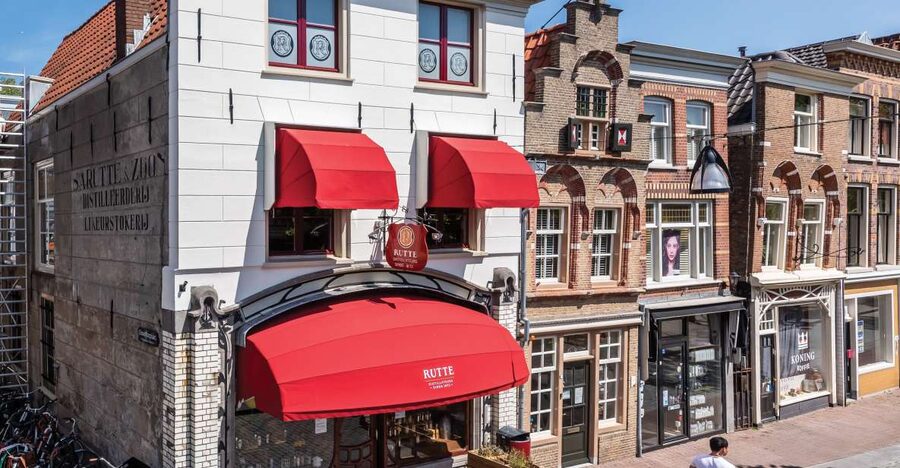
At $11 per person for about 25 minutes, this mini tasting is priced for access, not for a long, multi-course spirit education session. In other words: it’s not a big ticket event, but it’s also not trying to be a full masterclass.
Here’s the value math that matters for you:
- You get a drink immediately (the mini Gin and Tonic).
- You get a guided look at production (pot still and barrels).
- You get direct tasting guidance so you can learn what you’re actually tasting.
- You get mixing and serving tips, which helps the tasting follow you home.
If you’re someone who likes a compact activity, this is a great use of time. If you want deep technical detail, this one may feel brief—but the point is “intro,” and it does that job cleanly.
What you’ll learn (and why it helps outside the tasting room)
The strongest payoff isn’t just the taste. It’s what the tour helps you do after.
Learn the gin vs genever difference without getting lost
Gin and genever can be confused if you only associate gin with modern cocktails. Here, you get a simple, guided explanation of what sets them apart and how those differences show up in the glass. That makes it easier to buy the right bottle later.
Understand traditional botanical distilling in everyday terms
The host explains the “art” of botanical distilling using traditional methods. You don’t need lab experience. You just need to pay attention to what the ingredients and process do to flavor.
Get better ordering instincts
Once you’ve tasted both categories and heard the difference explained, you’ll have a clearer sense of what to order next. Even if you don’t become a spirit nerd, you’ll make smarter choices—especially in Dutch bars where genever shows up more naturally.
The staff and pacing: what the best ratings tell you to expect
The overall ratings are strong, and the common thread is the delivery. People highlight an enthusiastic host and clear explanations, plus the way the tasting stays interactive.
There’s also one note you should take seriously: the explanation can move quickly. That enthusiastic tempo is fun if you enjoy learning on the fly, but if you want a slow, lingering experience, it might feel like you’re catching the last train.
So here’s my advice: treat it like a quick museum tour with sips. Go in ready to listen, not ready to pause and interpret every sentence.
Who should book this Dordrecht tasting (and who might skip it)
This experience fits best if you:
- want a short, alcohol-focused activity in South Holland
- like gin and genever but want to learn the difference fast
- enjoy guided explanations tied to real distillery equipment
- want a casual, conversational introduction rather than a long course
It’s not a fit for everyone. The tasting room is not suitable for children under 18 and they also note it’s not suitable for pregnant women. It’s also a no-pets experience, so leave animals at home.
If you’re traveling with a group, this is still a good choice because it’s compact. Just be sure you’re all comfortable with the adult-only tasting format.
Practical tips so you enjoy it more
A few small moves can improve your experience a lot:
- Bring your ID (passport or ID card). They require it for entry.
- Arrive with enough time to check in at the shop before the tasting starts.
- Expect Dutch language for the tour. If you don’t speak Dutch, don’t count on a full English walkthrough.
- Pace yourself. You’ll have multiple tastings in a short window, and you’ll want your senses to stay sharp.
Also, if you’re planning to keep exploring Dordrecht after, don’t overbook the rest of your afternoon right after the tasting.
Should you book the Rutte Distillery mini tasting?
If you want a quick, guided introduction to Dutch gin and genever with a real look at the pot still and barrels, book it. At $11 and roughly 25 minutes, it’s an efficient way to learn without losing half a day.
Skip it only if you know you need a slower pace, you want deep technical distilling details, or you’re not able to join a tasting room experience that’s strictly adult-focused. Otherwise, this is the kind of small tour that makes a big difference: you taste, you see, you learn the names—and then you can order with confidence.
FAQ
How long is the Dordrecht Rutte Distillery mini tasting?
It lasts about 25 minutes (with tours running around 25 to 30 minutes).
What does the tour cost?
The price is listed as $11 per person.
Is the tasting only for adults?
Yes. Everyone in the tasting room must be at least 18 years old.
What should I bring for the tasting?
Bring a passport or ID card.
Where do I meet for the tour?
Show your ticket in the shop before the tasting begins.
What will I taste during the mini tasting?
You’ll enjoy a mini Gin and Tonic to start, and you’ll taste several products including gin and genever.
Is food included?
No, food isn’t included.
Is the tour in English?
The listed language for this activity is Dutch.
Are pets allowed?
No, pets are not allowed.
Is this activity suitable for everyone?
It’s not suitable for pregnant women and children under 18 years.