REVIEW · EDINBURGH
Edinburgh: Scotch Whisky Tasting – Scotland’s True Spirit
Book on GetYourGuide →Operated by WdeWhisky · Bookable on GetYourGuide
Scotch gets serious fast. This Edinburgh tasting pairs three single malts with a new make spirit, and the pace is great for learning how whisky styles differ. I like that it’s not just sipping: you’re guided through the story of Scotch, from the pub chapter of blended whisky origins to the practical “how it’s made” side of the glass.
What I enjoy most is the clear comparison. You’ll taste whiskies from different distilleries and regions, and the expert guide helps you connect what you smell and taste to how the spirit was produced and matured. The other win: the session feels tied to Edinburgh itself, not a generic whisky lecture.
The one possible drawback is volume. Four samples in 1.5 hours can feel like a fast walk if you’re the type who wants to take tiny notes every few minutes. Go slow with your first sip, and you’ll be fine.
Key points to know before you go
- Start at The Pear Tree area and get the Scotch story before you even sit down.
- Three single malts + one new make spirit to feel the jump from raw spirit to matured whisky.
- Expert-led comparisons across regions and distilleries, not random pours.
- Production and maturation explanations that connect flavor to process.
- Real guide personalities, including sessions led by Valeria or Nick in past tours.
- Languages available: Italian, English, and Spanish.
In This Review
- Scotch Tasting in Edinburgh: From The Pear Tree to Tipsy Midgie
- What Four Pours Actually Means in a 1.5-Hour Session
- The Single Malt Comparison Game: How Regions Feel Different
- New Make Spirit: The Fastest Way to Understand Maturation
- How Whisky Gets Its Style: Casks, Angel’s Cut, and Real Production Talk
- Matching Your Preferences: Peat, Sweetness, and the Finish
- Price and Value: Is $51 Worth 3 Single Malts and a New Make?
- Who This Edinburgh Whisky Tasting Suits Best
- Languages and Guide Style: Getting the Most From Your Session
- Should You Book This Edinburgh Scotch Whisky Tasting?
- FAQ
- How long is the Edinburgh Scotch whisky tasting?
- What is the price per person?
- What will I taste during the experience?
- Where do I meet the guide?
- What do I need to bring?
- Is there a minimum age?
- Are whisky alternatives available?
- What languages are the live guides?
Scotch Tasting in Edinburgh: From The Pear Tree to Tipsy Midgie
Edinburgh is great for people-watching and even better for history. This tasting uses that strength. You begin around The Pear Tree, a historic pub tied to the birth of the world’s first blended whisky, and that sets the tone: whisky here isn’t just a drink, it’s a story people have argued over and refined for centuries.
From there, you head toward Tipsy Midgie for the main tasting time. The walking part matters because it helps you shift gears from sightseeing mode into tasting mode. If you like experiences that start with context instead of jumping straight into a glass, you’ll appreciate this setup.
The format is straightforward: a whisky expert guides you, you sample, and you ask questions. It’s designed for learning as you go, not after the fact. And with only four pours, the session stays focused rather than turning into an endless “let’s try everything” lineup.
What Four Pours Actually Means in a 1.5-Hour Session

A lot of whisky tastings advertise variety, then give you the same thing in different packaging. This one is more intentional. You’re set up with three single malt Scotch whiskies plus a new make spirit, which is unaged whisky straight after distillation.
That new make spirit is your reference point. It’s the baseline for what the spirit tastes like before casks start doing their work. Once you try it, the later single malts make more sense: sweetness can read differently, smoke can feel sharper or rounder, and the finish becomes easier to track.
Timing is the other reason I like this plan. In about 90 minutes, you get enough structure to compare whiskies without feeling trapped for hours. It’s long enough to learn terms like maturation and cut methods, short enough that you won’t need to plan your whole day around it.
Practical tip: pace yourself right from the first pour. Take a small sip, then let the scent sit in your head for a moment. Whisky can feel confusing early on, but a calm first minute usually fixes that.
You can also read our reviews of more tours and experiences in Edinburgh.


The Single Malt Comparison Game: How Regions Feel Different

The heart of this tasting is the comparison. You’ll sample single malts from different distilleries and regions, and your guide helps you notice what changes. That matters because “Scotch” is too broad a word. Scotch can mean coastal smoke, orchard fruit, toasted grain, or something deeper and drier, depending on where it comes from and how it matured.
You’ll also learn how whisky is made and why every single malt is different from the next one. That lesson isn’t abstract. It’s meant to give you a framework so your next sip doesn’t feel random. When you understand the chain—distillation, aging, and cask influence—you start tasting with logic, not luck.
One thing I love is that the guide usually won’t treat it like a test. You can ask questions as you go. That’s a big deal because whisky has a lot of jargon, and a good guide translates it into plain language. Past sessions with guides like Valeria and Nick have been praised for being friendly, entertaining, and direct, which is exactly what you want when you’re trying to connect flavor to process.
Also, don’t be surprised if you get a quick mini-tour of Edinburgh history along the way. That kind of storytelling sticks because it gives you mental anchors, and anchors help you remember what you tasted.
New Make Spirit: The Fastest Way to Understand Maturation

If you’ve ever wondered why aged whisky tastes like aged whisky, the new make spirit answers that quickly. New make is unaged. It doesn’t have the same time in casks that later whiskies do, so the character you notice feels closer to the raw spirit.
That’s useful even if you’re not a technical person. Once you taste new make, you can start asking better questions:
- What changes after aging?
- How does cask influence sweetness and spice?
- Why does smoke feel different once it has sat for years?
The best part is that you get to make the comparison live. You’re not just being told that maturation matters—you’re experiencing it. It’s like seeing the same actor before and after a wardrobe change: suddenly the transformation is obvious.
If you’re the type who likes “aha moments,” this is one of them. It turns Scotch from a vague category into a process you can actually follow with your senses.
How Whisky Gets Its Style: Casks, Angel’s Cut, and Real Production Talk

Maturation is where whisky grows personality, and you’ll spend time on that idea. Expect explanations of production methods and the maturation processes behind what you’re tasting. The goal is to connect flavor to choices made long before your glass.
One detail that can come up in these tastings is the concept of the angel’s cut. That’s tied to how whisky is handled over long years in casks, and it’s the kind of point that makes the subject feel real instead of theoretical. In sessions led by Valeria, this kind of detail has stood out, and I think it’s a smart thing to include because it explains why aging is never perfectly controlled.
You may also hear about why each region and distillery can produce different styles even when they start with similar base ingredients and methods. That’s where single malts start to feel like personalities rather than products. A peatier whisky can read as more earthy or medicinal at first, while a lighter style might feel grain-forward and smoother.
And if you’re worried this will turn into a too-serious class, don’t. The tone tends to be informative and entertaining, with time for questions. If you want to learn terms, you’ll get them. If you want to learn by tasting, you’ll still get the structure.
Matching Your Preferences: Peat, Sweetness, and the Finish
Whisky tasting can be a lot of things at once: fruity notes, smoky notes, toasted grain, and that lingering finish you can’t fully name. This experience helps you turn that overwhelm into a usable system.
Here’s the mindset I recommend. Don’t hunt for the perfect descriptor. Instead, track three simple things:
- How it smells in the first seconds.
- What hits first on the tongue.
- How the finish fades.
Because you’re sampling multiple single malts in one sitting, your brain starts doing comparisons automatically. If one pour feels heavier or peatier, you’ll remember it when the next one feels drier or more mellow. Guides often use this moment to explain why one style might feel more aromatic, why another might feel sharper, and what the cask likely did over time.
Some sessions can end with a peaty example such as Bowmore 12, and that can be a fun way to finish because it’s a clear stylistic marker. Even if your exact lineup differs, the lesson is consistent: you’re training your palate to recognize style differences, not memorizing a single brand.






Price and Value: Is $51 Worth 3 Single Malts and a New Make?
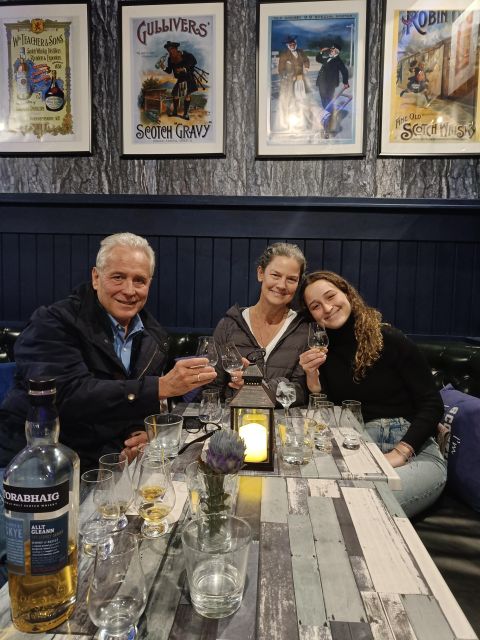
At $51 per person, you’re paying for four pours (three single malts plus new make) and a live guide. That price makes sense when you consider the goal: you’re not just tasting. You’re also getting the explanations that turn tasting into understanding.
Could you buy a single dram and read about whisky later? Sure. But this experience saves you the legwork. It gives you a guided sequence that builds from raw spirit to matured whiskies and then asks you to compare across regions.
Also, the format keeps value tight. With only 1.5 hours, the guide has enough time to explain key points while still giving you space to ask questions. If you’re the type who likes “learn while you go,” that’s a better fit than a long, rigid tour where the tasting is an afterthought.
Who This Edinburgh Whisky Tasting Suits Best
This experience is ideal if you’re curious but not trying to become a whisky professor overnight. You’ll get just enough production and maturation context to make your future tastings easier.
You should consider it if you:
- Want to compare single malts from different regions in one sitting.
- Like guided storytelling tied to Edinburgh’s whisky past.
- Enjoy asking questions and learning the terms you hear at whisky bars.
- Prefer a shorter, focused tour rather than an all-day production visit.
It’s also great for couples, solo travelers, or anyone meeting friends for something different from the usual pub crawl. It’s not set up for families. The minimum age is 18, and the tasting is for adults.
If you don’t want whisky for any reason, note that whisky alternatives are available upon request. That means the experience can still work for you, as long as you ask in advance.
Languages and Guide Style: Getting the Most From Your Session

The tasting runs with a live guide in Italian, English, or Spanish. That matters because whisky vocabulary can be tricky. If you choose a language you’re comfortable with, the whole experience clicks faster.
Guide personality is part of the value here. Some past sessions highlighted guides like Valeria, described as friendly and competent, and Nick, praised for being a standout whisky guide. Even with a good program, the guide makes a huge difference. A great guide keeps things understandable, answers questions without rushing you, and keeps the energy up without turning it into a performance.
My advice: go in with at least one personal question. Examples: Why does peat feel different between regions? What should I look for when I choose a bottle? Guides tend to respond well when they know what you’re curious about.
Should You Book This Edinburgh Scotch Whisky Tasting?
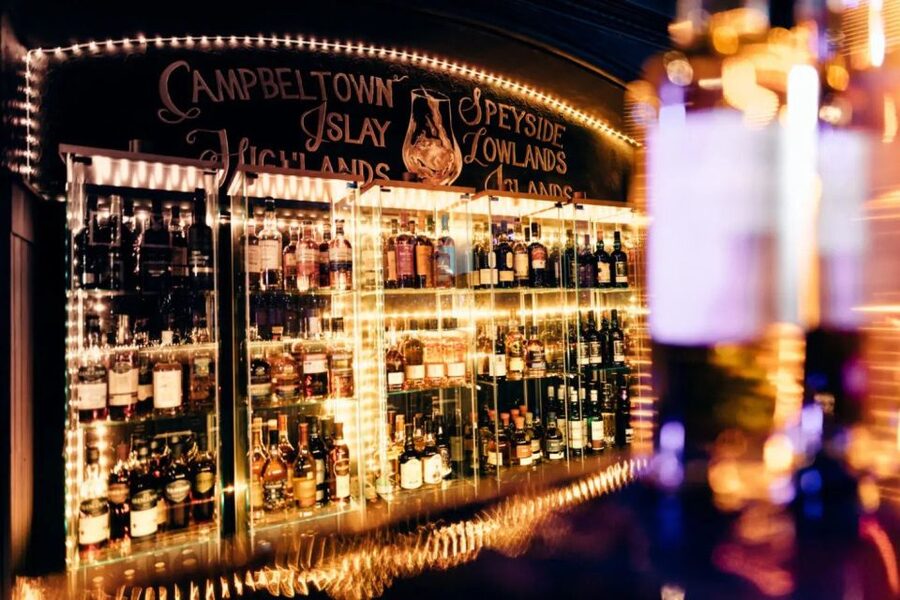
Book it if you want a compact, well-structured way to learn Scotch whisky beyond flavor-only tasting. The mix of three single malts plus new make spirit is the standout feature, because it shows you the role of maturation instead of just describing it.
Skip it if you’re looking for a long, slow tasting with heavy technical detail. At 1.5 hours, this is built for momentum. You’ll learn a lot, but you won’t have unlimited time for deep side-by-side comparisons and extended note-taking.
Overall, this is a smart value choice for Edinburgh. You get history context, a guided walk through old-city energy, and a real palate education that carries over into your next whisky stop.
FAQ
How long is the Edinburgh Scotch whisky tasting?
It lasts about 1.5 hours.
What is the price per person?
The price is $51 per person.
What will I taste during the experience?
You’ll taste 3 single malt Scotch whiskies and 1 new make spirit (unaged whisky).
Where do I meet the guide?
Your guide waits in front of John Knox House. Look for the BLACK UMBRELLA.
What do I need to bring?
Bring a passport or ID card.
Is there a minimum age?
Yes. The minimum age for this experience is 18.
Are whisky alternatives available?
Yes. Whisky alternatives are available upon request.
What languages are the live guides?
The live tour guide offers Italian, English, and Spanish.