REVIEW · QUEBEC CITY
Quebec City: Honey and Distillery Tour with Tasting
Book on GetYourGuide →Operated by Apikol - Distillerie de Quartier · Bookable on GetYourGuide
Bees, liquor, and a one-hour story. At Apikol in Quebec City’s Saint-Roch district, you watch a live bee hive year-round and then follow that honey as it turns into mead and spirits. It’s the kind of tour that feels equal parts science class and sip session.
I love that this visit is owner-led, so you get straightforward answers from the people running both the beekeeping and the distilling. The tasting is a simple, smart finish with real flavor focus, but the hive viewing happens indoors, so the room can feel a bit tight if you don’t love small spaces.
In This Review
- Key highlights at Apikol in Quebec City
- Apikol in Saint-Roch: honey house meets distillery in one visit
- The indoor all-season hive: seeing bees at work up close
- Honey extraction to fermentation: how mead takes shape
- Distillation and aging: turning honey into spirits you can name
- The tasting finish: three local products, short and satisfying
- What the owners’ perspective changes for you
- Price and value: what $21 buys you in real experience time
- Who should book this tour (and who might skip)
- Should you book Apikol’s honey and distillery tour?
- FAQ
- How long is the Apikol honey and distillery tour?
- What’s included in the ticket price?
- Will I taste alcohol on this tour?
- What language is the tour offered in?
- How big is the group?
- What should I expect to taste?
Key highlights at Apikol in Quebec City
- Indoor, all-season hive viewing: Watch bee activity year-round without bundling up outside.
- Honey to fermentation to distillation: You’ll see the whole chain, not just the end product.
- Owners as guides: Co-owners who are beekeepers and distillers lead the tour and answer questions.
- A focused tasting of three products: Including an effervescent mead, with the option to add others for a small supplement.
- Small group format: Limited to 8 participants, which keeps it personal.
Apikol in Saint-Roch: honey house meets distillery in one visit
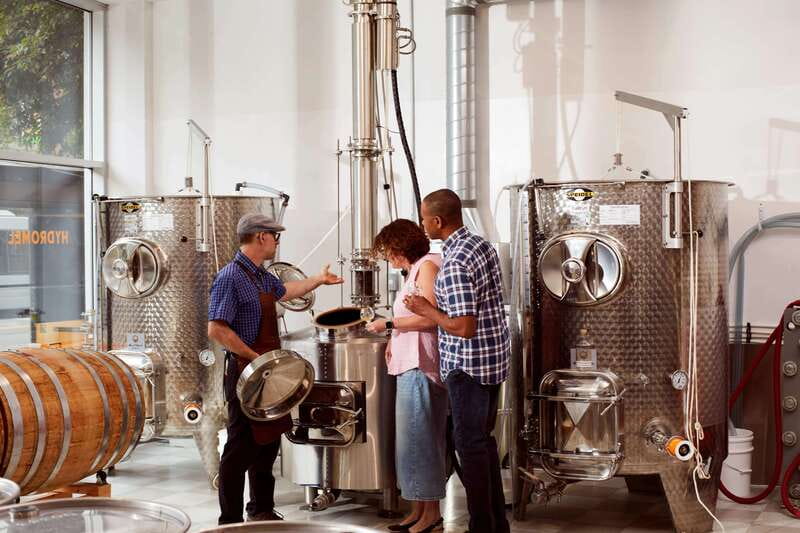
Apikol (Distillerie de Quartier) sits in downtown Quebec City, in the Saint-Roch area. The big idea here is that you don’t hop between buildings or miss steps—you’re in one place where honey, mead, distilling, and tasting all share the same roof.
That matters because it makes the process feel logical. Instead of learning mead basics from a poster, you can connect what you see (bees and honey handling) with what you taste later. You’ll also get to use a separate entrance for this small-group tour, which makes it feel smoother once you arrive.
You’ll check in at the front desk, then get guided into the experience. Tour staff speak both French and English, so you’re not stuck guessing with hand gestures if you’re more comfortable in one language than the other.
The indoor all-season hive: seeing bees at work up close
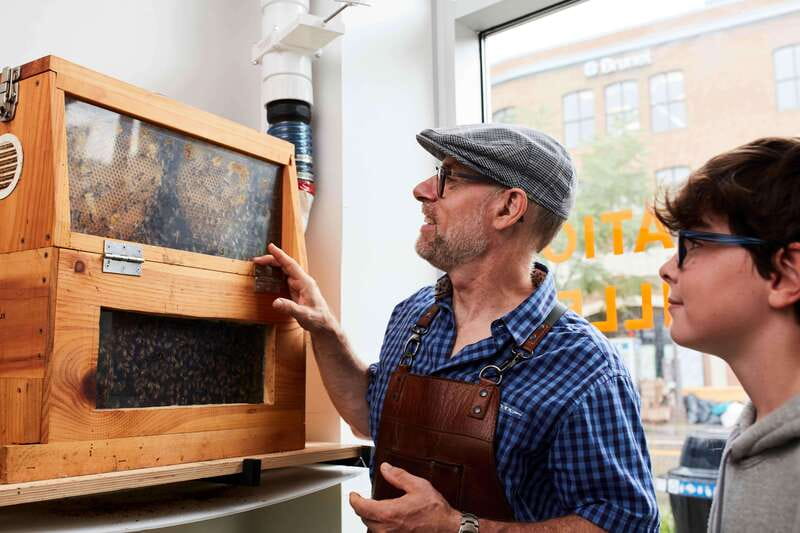
The first main stop is the bee side of Apikol: an indoor observation hive that works year-round. You’ll watch bees actively doing their job in a controlled setting, so you don’t have to wait for a specific season or deal with wind, bugs, or cold.
This is one of the strongest reasons to book. Bee tours can be hit-or-miss when you’re mostly looking at boxes from far away. Here, you’re in an all-season setup built for observation, and the guide interprets what you’re seeing—like what different behaviors mean for the colony.
Because the group is limited (up to 8), you’re more likely to get clear sightlines and real time for questions. If you’re the kind of traveler who likes to ask why something works, this format is a win.
One consideration: it’s indoors. If you’re sensitive to being in a small room for longer stretches, plan to take breaks when the guide moves you along—one guide-led segment of the visit happens in that close viewing area.
Honey extraction to fermentation: how mead takes shape
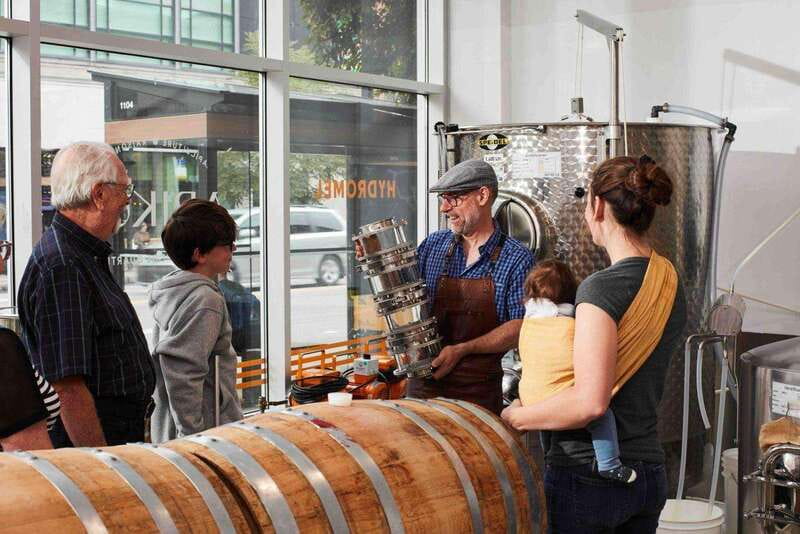
After the bee viewing, the tour shifts into the honey and mead story. You’ll get walked through the interpretation of bees, the honey extraction process, and what happens next when honey moves into fermentation.
Mead often gets described vaguely as honey wine, but this tour is more practical than that. You’ll learn how honey is transformed through fermentation and how that sets up the next stages. Even if you’ve never cared about alcohol production before, you’ll understand the cause-and-effect: honey becomes base, fermentation changes the profile, and the process is where the character starts.
A key detail here is the focus on locally sourced, produced products. The tour leans into the idea that they’re making spirits and mead from their own honey supply, and you can feel the “from our hives” emphasis in how the guide explains the chain.
Distillation and aging: turning honey into spirits you can name
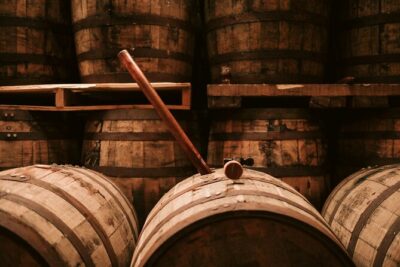
Next comes the part that makes Apikol feel different from a basic tasting room: you get a look at distillation and how spirits are produced using honey. The guide talks through steps like distillation, ageing, formulation, and bottling, so you leave understanding that spirits aren’t just poured out of a tank.
From what you’ll hear and what you may see mentioned, they produce honey-based spirit styles such as gin, vodka, and eau-de-vie, alongside mead. That’s a useful anchor for your tasting later because you can connect what you learned about distillation and aging with how those styles show up in the glass.
This stage is also where the eco-friendly angle becomes more than a slogan. The tour explicitly frames the project as an eco-friendly urban operation with an emphasis on maintaining a small ecological footprint. You’ll hear about their approach as you move through the production story, not just at the end while you sip.
The tasting finish: three local products, short and satisfying
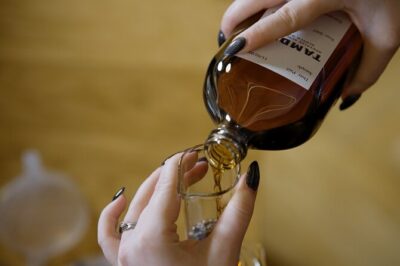
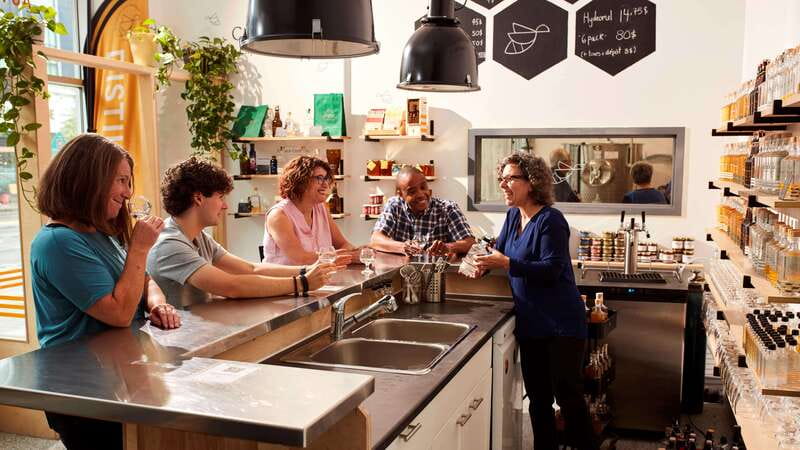
The tour ends with a three-product tasting led by a member of the team. You’ll sample meads and spirits, and one of the featured options is their effervescent mead. The tasting window is short—built to fit inside the overall one-hour flow—so you’ll focus on what you’re served rather than wandering around.
This is also where the guide’s personality helps. People in the tasting portion tend to ask questions, share what they’re noticing in each drink, and keep it conversational. If your group likes a relaxed pacing, this works well.
There’s an optional path too. You can add additional products for a small supplement if you want more variety than the standard three samples. If you’re a “try everything” type, that add-on option is worth considering.
And if you’re traveling with young teens or kids, there’s a clear policy: visitors under 18 get a non-alcoholic beverage instead of the alcoholic samples. Since the tour itself is indoor and compact, it can be a practical choice for family plans in Quebec City, as long as you’re comfortable with a more adult-leaning production story.
What the owners’ perspective changes for you
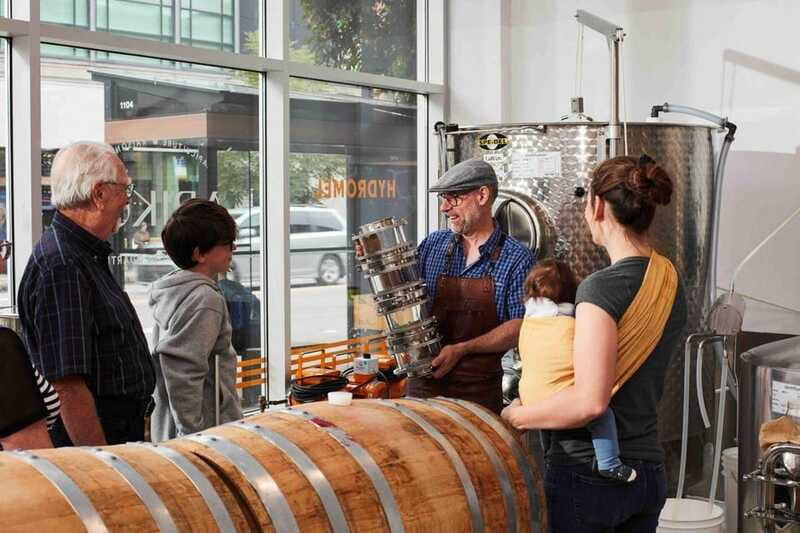
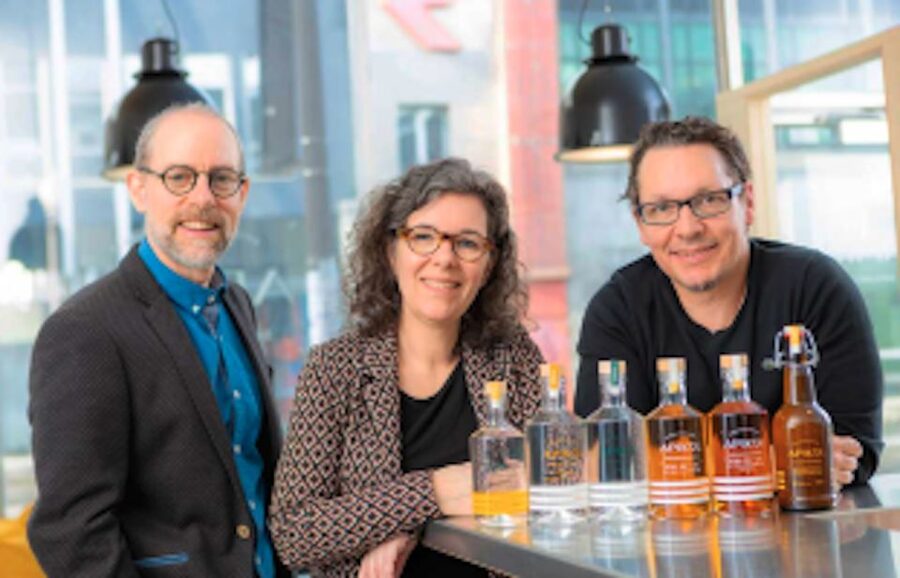
A lot of distillery tours are led by staff who read from scripts. Apikol changes that because the guided tours are led by one of the co-owners—people who are beekeepers and distillers themselves.
That owner-led format matters because you can ask more detailed questions and get direct answers about real decisions: how to interpret bee activity, how honey handling fits the bigger process, and how fermentation and distillation affect flavor. If you enjoy tinkering with the “why” behind what you taste, you’ll likely feel satisfied here.
It also makes the eco-friendly message feel grounded. Rather than a generic pitch, you’re hearing from the people building and running the system, and that perspective tends to stick.
Even the small touches in the tour experience reinforce this tone. In past visits, guides like Fred have been called out for being engaging and funny while still covering the technical steps clearly. Another team member named Constance has been mentioned as personable and knowledgeable in the tasting portion. You may not get the same people, but you can expect the same overall vibe: friendly, interactive, and focused on explaining the process.
Price and value: what $21 buys you in real experience time
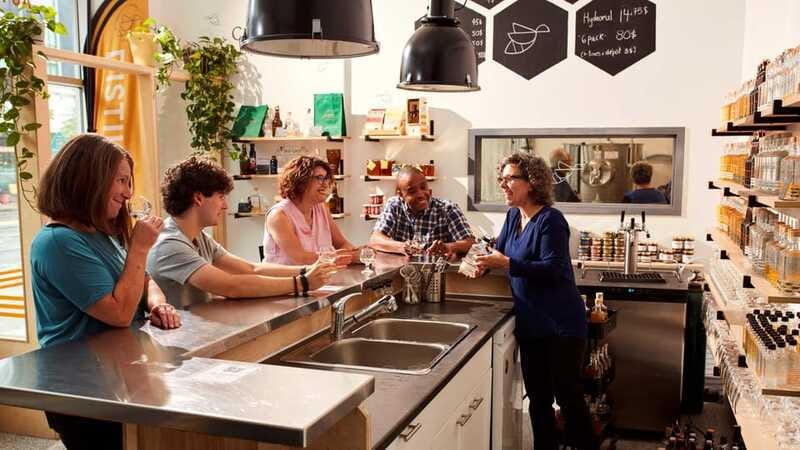
At about $21 per person for a 1-hour experience, this tour prices itself as a practical add-on for a day in Quebec City. You’re not paying for a long outing where you sit and wait—you’re paying for a guided loop that starts with bees, connects to production, and ends with an included tasting.
What makes it good value isn’t just the price tag. It’s the combination of:
- a live observation hive,
- a guided look at honey-to-mead-to-spirits production steps,
- and an end tasting of three local products.
Add in the small group size (max 8), the separate entrance flow, and the fact that the tour is indoor, and the value starts to make sense for different travel styles. Rainy day plans, winter schedules, or quick stops between other Quebec City sights all fit well here.
Who should book this tour (and who might skip)
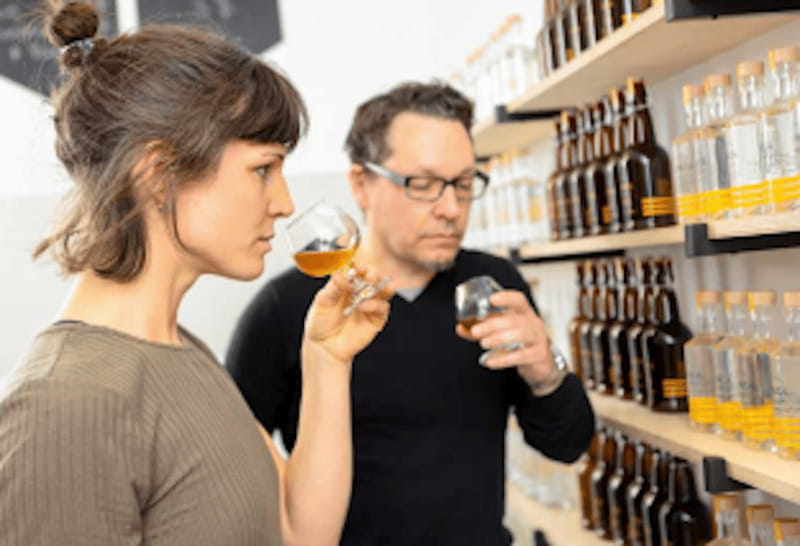
I’d point you toward this tour if you like hands-on learning, food-and-drink craft, and the idea that science can be fun. It’s especially appealing if you want to understand mead and honey-based spirits without pretending you already know the terminology.
It’s also a solid choice for people who want something different from the usual “walk, read plaque, move on” sightseeing. Watching bees in an all-season indoor hive is a unique experience, and the production explanation helps you turn curiosity into knowledge you can actually use.
I’d be a little more cautious if you hate indoor spaces or get impatient with tours that run tightly by schedule. Since a good chunk of the bee observation happens in an enclosed area, comfort in small rooms matters.
Should you book Apikol’s honey and distillery tour?
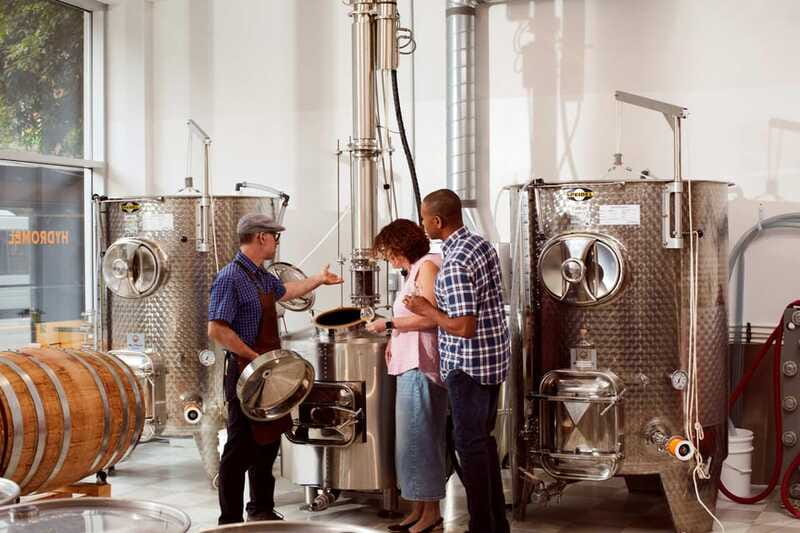
Book it if you want a compact, high-impact activity in Quebec City that mixes bee watching with real distilling and ends with an included tasting you can compare in your own notes. The owner-led format and the small group size make it feel more personal than a typical big attraction.
Skip it if you’re only interested in long outdoor nature experiences or if you prefer tastings without any production explanation. But if you enjoy learning how something gets made, and you like honey-based drinks, this is a very sensible use of your time—and a strong way to spend a full hour that doesn’t feel like filler.
FAQ
How long is the Apikol honey and distillery tour?
The tour runs about 1 hour.
What’s included in the ticket price?
You get an owner-led guided tour of the distillery and meadery, access to the live all-season observation hive, and a tasting of three different products.
Will I taste alcohol on this tour?
Yes, the tasting includes meads and spirits. Visitors under 18 receive a non-alcoholic beverage instead.
What language is the tour offered in?
The tour is offered in French and English.
How big is the group?
The tour is limited to a small group of up to 8 participants.
What should I expect to taste?
The standard tasting includes three products, including their effervescent mead. You may also be able to add additional products for a small supplement.