REVIEW · BOSTON
Sushi Making Class at a Local Distillery in Boston
Book on Viator →Operated by Classpop! · Bookable on Viator
Roll sushi at a distillery in Boston. This 2-hour class with Chef Harold turns a foodie evening into a hands-on lesson, starting with miso soup and moving into two key styles: uramaki (inside-out rolls) and temaki (hand rolls). I love that it’s built for both first-timers and people who already cook. I also like the payoff: you dine on what you make with your classmates right after.
One thing to think about: drinks and craft spirits are typically paid separately at the bar, with prices listed from $3 to $20, so decide your budget before you arrive.
In This Review
- Key highlights at a glance
- Sushi at Short Path Distillery: a fun Boston-area twist
- What you actually make in the 2 hours (and why it matters)
- Chef Harold’s teaching style: clear steps, real attention
- The distillery location and your 7:00 pm evening plan
- Price and value: how $75 turns into a real meal + skills
- Who should book (and who might want a different plan)
- Practical tips to get the best sushi results
- Quick FAQ for planning your sushi-making night
- FAQ
- How long is the sushi making class at Short Path Distillery?
- What sushi and food will I learn to make?
- Are drinks included in the $75 price?
- What does the class fee include?
- Can they handle dietary restrictions?
- What’s the cancellation policy?
- Should you book this Boston sushi making class?
Key highlights at a glance
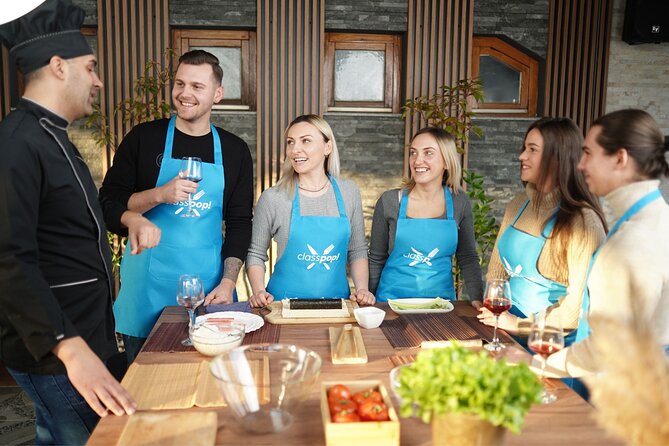
- Chef Harold’s pace and personality: upbeat teaching that helps beginners catch on fast.
- You’ll cook, then eat: your meal is part of the experience, not an afterthought.
- Miso soup + real roll practice: miso soup first, then hand rolls and inside-out rolls.
- Distillery atmosphere: you’re in a lively Boston-area setting while learning.
- Small group feel: capped at 25 travelers, so you can get real guidance.
- Recipes for home: you’ll leave with know-how you can reuse later.
Sushi at Short Path Distillery: a fun Boston-area twist
If you’ve ever wanted sushi skills without the stuffy “watch and hope” vibe, this class fits the bill. It’s set at Short Path Distillery in Everett, Massachusetts, which matters because the setting makes the evening feel like an event, not a test. You’ll be learning in English, with a laid-back crowd that includes beginners and more experienced cooks.
Chef Harold is the reason the class feels friendly and fast-moving. He brings a fun, upbeat approach, and multiple people note that he explains things clearly and takes time to connect before hands start rolling. That’s a big deal for first-timers, because sushi can feel intimidating until someone breaks it into manageable steps.
You also get the best part built in: after the class, you sit down and eat what you made with your classmates. That turns “learning” into “celebrating,” and it helps you remember what worked.
What you actually make in the 2 hours (and why it matters)
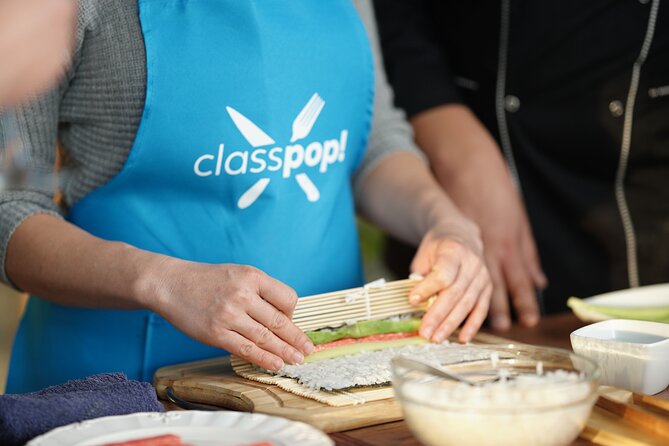
The flow of the class is simple: comfort food first, then two sushi formats you can use again and again.
Start with miso soup
You begin by preparing miso soup with miso paste, dashi, and wakame seaweed. Even if you’ve never cooked with dashi before, this step gives you an easy win early. It also helps you understand the balance sushi culture values—savory depth, not just salty flavor.
Learn sushi rice fundamentals
Next comes sushi rice, which is the foundation for everything that follows. The class focuses on what you need to get the rice right for rolling—texture and seasoning so it holds together and tastes balanced.
Master temaki (hand rolls)
The class zeroes in on temaki, the slanted, handheld style you can shape with your fingers. The sample menu highlights temaki directly:
- Shrimp tempura hand roll with shrimp, nori, and sushi rice
- Sweet potato hand roll with sweet potato, nori, and sushi rice
That’s practical. You’ll practice the movements that give temaki its signature shape, and you’ll eat it immediately afterward.
Practice uramaki (inside-out rolls)
You’ll also work on uramaki, the inside-out style. This is the technique many people picture when they think about “classic rolls,” so it’s a nice upgrade from just doing hand rolls. Learning both styles in one sitting makes the class feel like more than a one-off snack.
Finish with a spicy roll you’ll recognize
The sample menu includes a spicy tuna roll—tuna, sushi rice, and nori. Even if you don’t make it exactly the same way at home yet, you leave with the structure and the flavor targets in mind.
Bottom line: the menu is not random. It lines up with what you’re practicing, so you get immediate confirmation that your rolling technique and your rice work are on track.
Chef Harold’s teaching style: clear steps, real attention
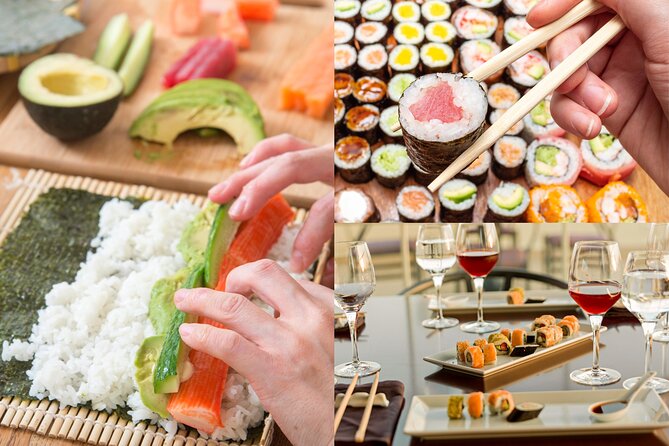
A lot of cooking classes teach “ideas.” This one is set up to teach technique.
Chef Harold doesn’t just talk at you. The best reviews describe him as attentive, helpful, and careful about the process, including time spent getting to know the group before instruction. That pre-class vibe matters because it lowers the stress for people who are worried they’ll mess up the rice or ruin the roll.
For beginners, the class is built to feel doable. You don’t need previous cooking experience, and the instruction is designed to guide you through each stage—rice prep, rolling mechanics, and assembling the final items. If you’re an experienced cook, you’ll still likely pick up useful habits, like how to adjust your grip, how to portion ingredients so the roll stays neat, and how to keep your hand rolls from getting soggy.
One small detail that shows the mindset: the class isn’t overly precious. It has a fun, hands-on energy, and the humor around practice makes it easier to keep going even if your first attempts aren’t perfect.
And yes, you’ll get recipes so you can repeat the basics at home. That’s where the class becomes long-lasting value, not a one-time night out.
The distillery location and your 7:00 pm evening plan
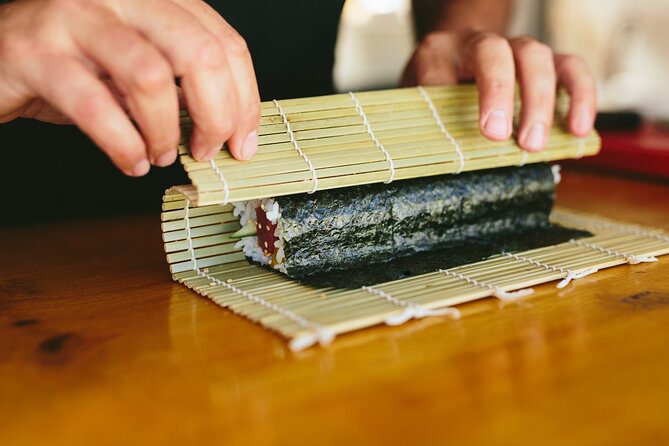
This starts at 7:00 pm and runs about 2 hours. The activity ends back at the meeting point, so you’re not dealing with a long walking route or a multi-stop schedule.
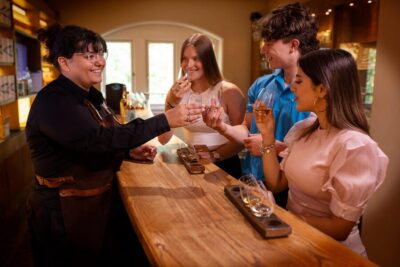
Because it’s at a distillery, the atmosphere is part of the appeal. You’re rolling sushi while craft spirits are around you in the background, which makes the class feel more like a social night than a kitchen chore. It’s also near public transportation, so you should be able to get there without needing a car.
Drinks are available for purchase at the venue bar. The posted range is $3 to $20, so plan if you want cocktails or craft spirits alongside your meal. If you’re trying to keep costs controlled, you can treat drinks as optional and focus on the class price.
Group size is capped at 25 travelers, which helps keep the experience interactive. With larger classes, you can end up stuck watching. Here, the format is set up so you can get guidance while you work.
Price and value: how $75 turns into a real meal + skills
At $75 per person, this isn’t a bargain-cheap class. But it’s priced like a hands-on meal experience, and the value comes from what’s included.
Here’s what you get for the class fee:
- A hands-on 2-hour sushi-making lesson with a local chef teacher
- Ingredients and cooking tools provided
- Instruction that includes tips and chef secrets you can use later
- A full meal you cook yourself
That last part matters. You’re not paying $75 and then leaving hungry. You’re cooking a starter and multiple rolls, then eating them as part of the evening.
Also, the class is designed to accommodate dietary needs if you let them know in advance. The data says they’ll do their best to tailor the experience based on your preferences and restrictions. That flexibility can make the total value better than classes that assume everyone eats the same things.
If you’re comparing options, weigh it like this: one nice dinner plus a cooking class lesson usually costs more than $75. Here, you get both in one structured night with guidance.
Who should book (and who might want a different plan)
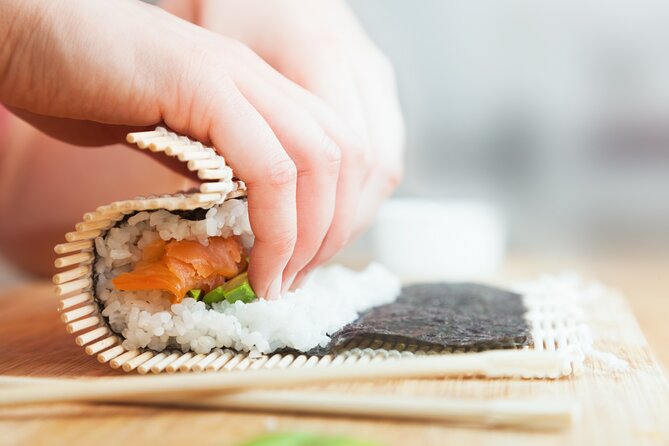
This is a great fit if:
- You want a sushi class that works for beginners without feeling like you’re behind.
- You want to learn more than one style, including uramaki and temaki.
- You like food-focused social events, where the table is part of the fun.
- You’d rather cook with help than rely on YouTube and guesswork.
You might consider a different activity if:
- You’re strictly looking for a sushi class where every drink is included. Drinks are for purchase at the bar.
- You don’t want to travel to Everett for a 7:00 pm evening slot.
- You’re expecting a long, multi-course fine-dining experience. This is a focused cooking class with a meal, not a full tasting menu marathon.
Practical tips to get the best sushi results
Here are a few things that will help your rolls come out better and make the night smoother.
Come hungry enough to enjoy the meal you make
You’ll cook your starter and rolls, then eat. If you arrive starving, you’ll enjoy the process more. If you arrive stuffed, you may not enjoy the final tasting as much.
Be ready for hands-on work
This is not a passive demo. You’ll be shaping and assembling, so expect to use your hands and learn by doing.
Ask questions early
Chef Harold’s style is friendly and attentive, and people note he explains the process well. If something feels unclear—especially rice handling—ask sooner rather than waiting until the end.
Use the recipes when you get home
The class includes recipes, and that’s the difference between learning a trick and building a repeatable routine. If you make sushi at home even once later, you’ll feel the value right away.
Budget for drinks if you plan to order
Since drinks are $3–$20 at the bar, it’s smart to decide ahead of time whether you’re going to go light or treat it as a cocktail night.
Quick FAQ for planning your sushi-making night
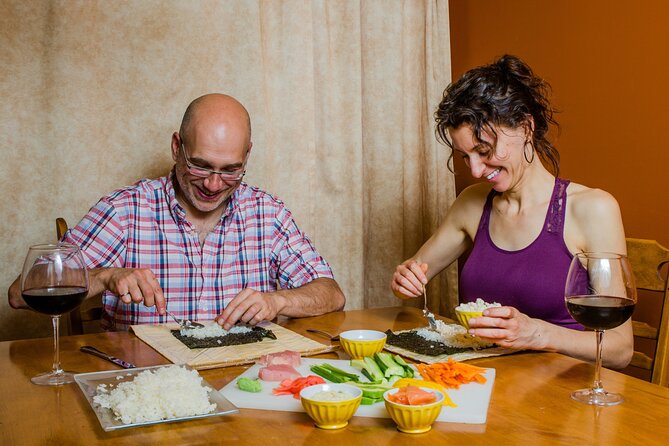
FAQ
How long is the sushi making class at Short Path Distillery?
It lasts about 2 hours and starts at 7:00 pm. The activity ends back at the meeting point.
What sushi and food will I learn to make?
You’ll start with miso soup, then work on sushi rice and two roll styles: uramaki (inside-out rolls) and temaki (hand rolls). The sample menu includes a shrimp tempura hand roll, a sweet potato hand roll, and a spicy tuna roll.
Are drinks included in the $75 price?
No. Drinks are available for purchase at the venue bar, with prices ranging from $3 to $20.
What does the class fee include?
The fee includes a hands-on 2-hour cooking class, all ingredients and cooking tools, expert instruction, and a full meal you cook yourself.
Can they handle dietary restrictions?
Yes. This class is designed to accommodate a variety of dietary needs. Let them know in advance, and they’ll do their best to tailor the experience to your preferences or restrictions.
What’s the cancellation policy?
You can cancel for a full refund if you cancel up to 24 hours before the experience starts. Cancellations within 24 hours of the start time are not refunded. The experience may also be rescheduled or refunded if canceled due to poor weather or if the minimum number of travelers isn’t met.
Should you book this Boston sushi making class?
Yes, if you want a smart mix of hands-on cooking, a friendly instructor, and a meal that feels like part of the lesson. The combination of miso soup + sushi rice + both temaki and uramaki makes the class feel complete, and Chef Harold’s teaching approach helps most people jump in without stress.
Book sooner rather than later. The average booking window is about 25 days in advance, and the group cap is 25 travelers, so it can fill up.
If you’re looking for an easy date night, a fun food outing with friends, or a real skill you can repeat at home, this is a strong choice. Just remember: plan for drinks at the bar, and you’ll have a smoother, more relaxed evening.