REVIEW · BROOKLYN
Top Shelf Distillery Tour
Book on Viator →Operated by Kings County Distillery · Bookable on Viator
Whiskey science in Brooklyn, no snooty attitude. This Kings County Distillery tour guides you through how whiskey is made in the city, then ends with a four-drink tasting so you can connect the process to what ends up in your glass.
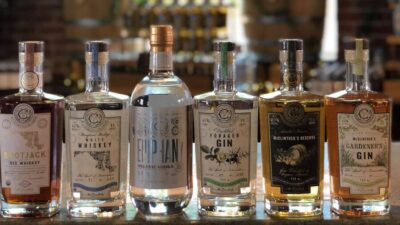
I like that the story anchors in the distillery’s status as the oldest whiskey distillery in New York City since Prohibition, so it feels grounded in place, not just alcohol facts. I also like that the tasting isn’t just a sample flight—it’s a chance to explore the range of what they produce.
One drawback to plan around: this experience requires good weather, and the ticket is non-refundable with no changes if you cancel.
In This Review
- Key Highlights You’ll Actually Care About
- A Tight Whiskey Education in 1 Hour 15
- Meeting at The Gatehouses and How a Small Group Feels
- Kings County Distillery: From Prohibition-Era Roots to Modern Craft
- Mashing, Fermentation, and Pot Distillation: The Steps That Explain the Taste
- Barrel Room Lessons: Angel’s Share and Oak Aging
- Four-Drink Tasting: How to Taste Smarter
- Price, Scheduling, and Weather Reality
- Who Should Book This Tour (and Who Should Skip It)
- Should You Book the Top Shelf Distillery Tour?
- FAQ
- Where does the tour start?
- How long is the tour?
- How much does it cost?
- What happens at the end of the tour?
- When should I book?
- Is it near public transportation, and can most people join?
- What if the weather is bad or I cancel?
Key Highlights You’ll Actually Care About
- Oldest NYC whiskey distillery since Prohibition gives the tour real local context, not generic brewery talk
- One hour 15 minutes means you get the main story without a half-day commitment
- Mashing, fermentation, and pot distillation are explained in plain language so the science feels usable
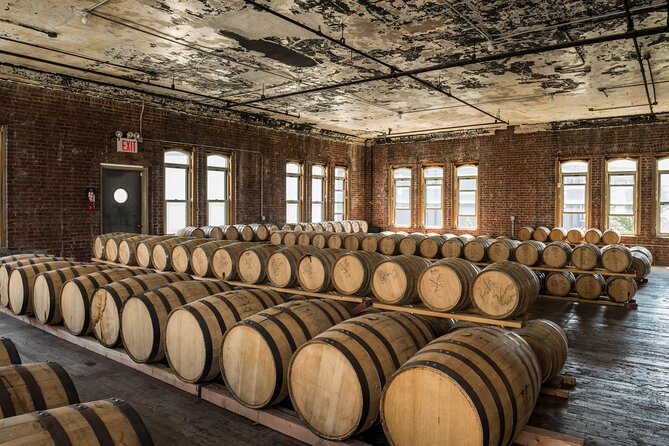
- Barrel-room focus on the angel’s share shows how oak aging changes flavor and color
- Four pours at the end help you compare styles while the process is still fresh in your mind
A Tight Whiskey Education in 1 Hour 15
This is the kind of tour I recommend when you want something memorable but not complicated. In about 1 hour 15 minutes, you get the production steps that matter most—how mash turns into spirit—plus a wrap-up tasting that ties it together. It’s short enough to fit into a Brooklyn day without forcing you into a late-night schedule.
The best part for most people is how structured the learning is. You start with the bigger picture of whiskey in America, then move into what your senses can track later: how ingredients change during mashing and fermentation, and how pot distillation shapes the character of the spirit. After that, you finish with a tasting of four products, so it doesn’t stay stuck in theory.
One practical note: whiskey tours can sometimes feel heavy. This one keeps moving, which helps. If you like clear, step-by-step explanations and you enjoy tasting as you go, you’ll get value fast.
Meeting at The Gatehouses and How a Small Group Feels
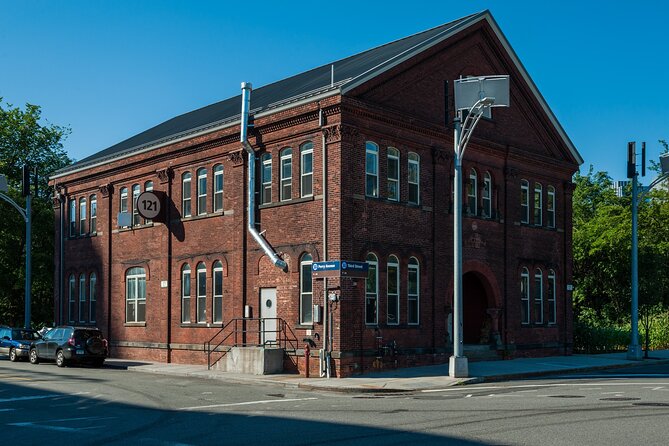
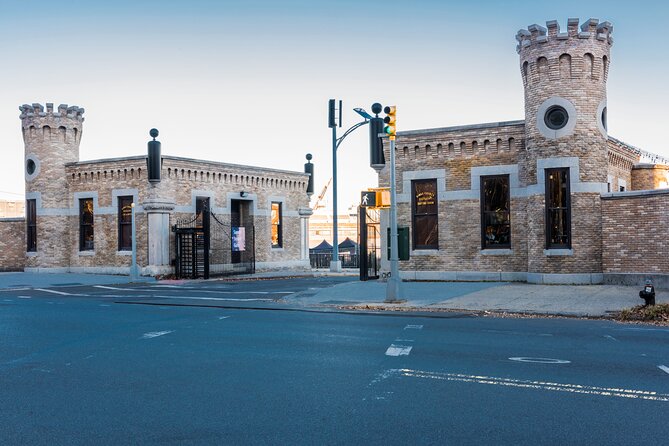
You meet at The Gatehouses at Kings County Distillery, 299 Sands St, Brooklyn, NY 11205. The tour runs as an out-and-back experience, ending back at the meeting point, which makes planning simpler when you’re hopping between neighborhoods.
The group limit is up to 30 travelers, which tends to keep things more conversational than the huge-van style. That matters for tasting too: you’re more likely to hear what you’re tasting and why, instead of standing in the back with a plastic cup and guesswork.
Timing-wise, plan for an advance schedule. It’s commonly booked about 5 days in advance, so if you’re traveling in busy weeks, don’t leave it to the last minute.
Finally, the tour is set up to work for most visitors. Service animals are allowed, and it’s near public transportation. If you’re relying on transit, this is easier than many out-of-the-way alcohol experiences.
Kings County Distillery: From Prohibition-Era Roots to Modern Craft
This tour’s storyline starts with the distillery’s place in New York history: it’s described as the oldest whiskey distillery in New York City since Prohibition. That line isn’t just trivia. It sets the tone that whiskey here has a past, and the tour uses that past to explain why whiskey became part of American identity in the first place.
What I like about anchoring in that historical framing is that it makes the later technical content feel purposeful. When you hear about the process—mashing, fermentation, and pot distillation—it’s not random chemistry talk. It’s the practical “how” behind the “why” of whiskey’s role in the U.S.
You also get a tour-style look at the production logic: how spirit mellows and changes character over time, and why aging decisions matter. If you’re the kind of person who enjoys understanding the reasons behind flavor (instead of just chasing the smoothest pour), this portion works well.
The only thing to watch is expectations. This isn’t pretending to be a grand museum. It’s a working distillery tour with a strong educational focus. If you’re expecting a theatrical show with constant visuals, you might find it more grounded and instructional than that.
Mashing, Fermentation, and Pot Distillation: The Steps That Explain the Taste
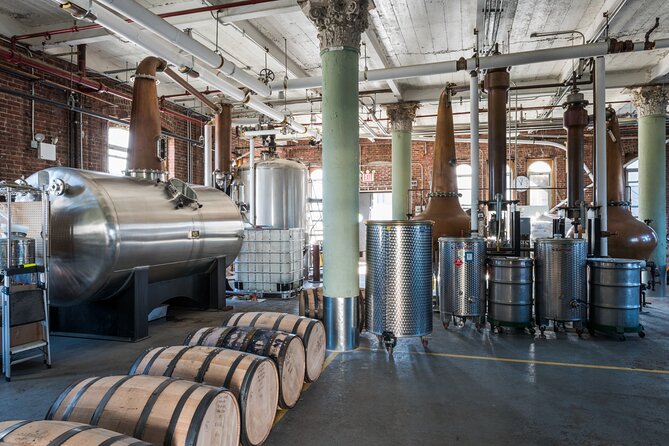
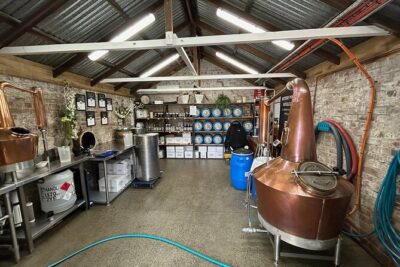
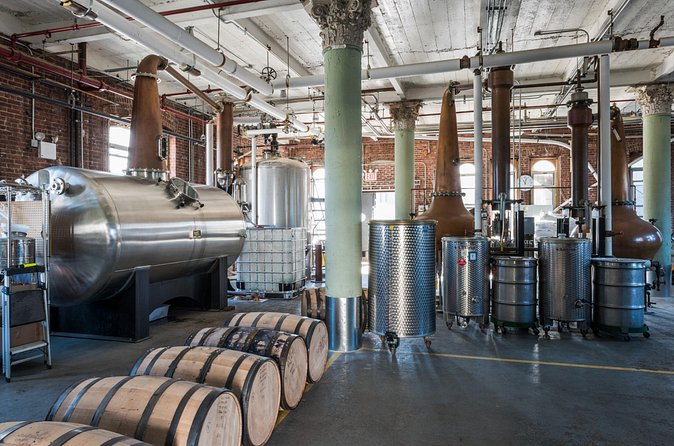
The itinerary is very process-focused, and you’ll move through the key stages that shape whiskey character. First comes mashing, which is where the grain becomes something fermentable. Then you’ll get fermentation explained so you understand how the ingredients and timing steer the spirit’s development before distillation.
Next is pot distillation, which is where a lot of flavor personality gets locked in. Even if you don’t remember every scientific term, you’ll likely remember the big takeaway: distillation isn’t just about making alcohol stronger. It’s about concentrating and sorting the compounds that influence aroma and flavor.
This is one reason the tour is a smart choice for non-experts. You’re not asked to know the jargon ahead of time. You’re guided through the flow of production and the “cause-and-effect” between process steps and what you later taste. That’s the difference between a tasting that feels like random samples and one that feels like informed comparisons.
One detail worth paying attention to during the explanation: many people focus on the finished drink only. Here, you get a path through the transformation. That makes the tasting at the end easier to understand, because you’ll already know what stage each flavor might connect to.
Barrel Room Lessons: Angel’s Share and Oak Aging
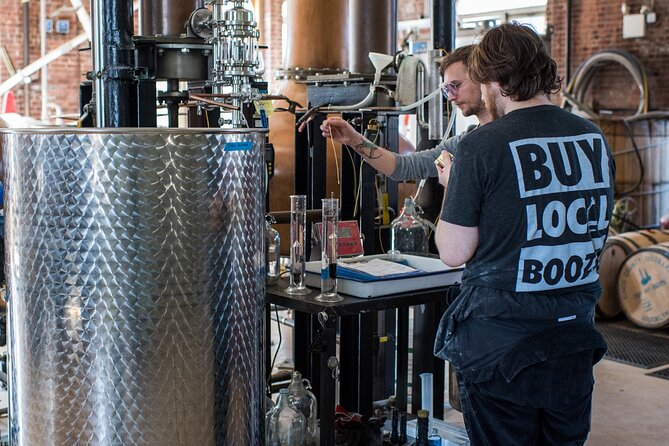
After the production steps, the tour shifts to aging and the barrel room—where whiskey quietly changes even when no one is watching. You’ll hear about the angel’s share, the idea that some of the spirit evaporates as it ages. It’s a small concept with big consequences, because it’s part of how concentration and character build over time.
Then you’ll learn how oak shapes the final product. The tour describes how the spirit is mellowed by the barrel while it picks up color and develops deeper flavors. That line matters: it tells you aging isn’t just smoothing; it’s adding. Oak contributes aroma compounds, sweetness perceptions, and the overall “roundness” that people associate with a finished whiskey.
If you love tasting notes, this section sets you up to make your own connections. You’ll be better prepared to notice things like how quickly a scent hits, whether the finish leans warm or dry, and how the mouthfeel differs from one pour to another.
As for drawbacks, this is a distillery setting, so you’ll want to stay comfortable in regular tour clothes and shoes. No special gear is listed, but good footwear is always a win—especially if your day includes lots of walking.
Four-Drink Tasting: How to Taste Smarter
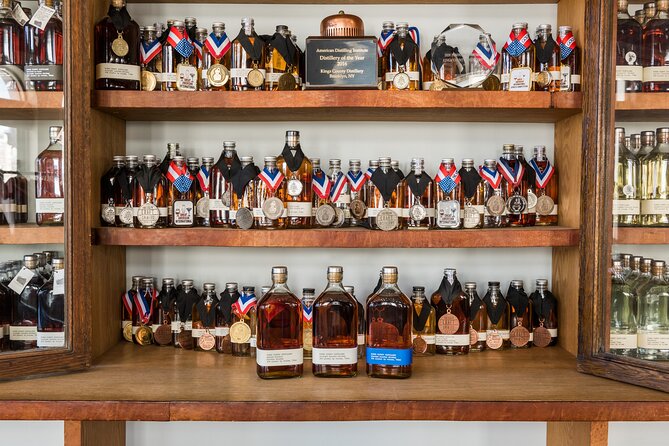
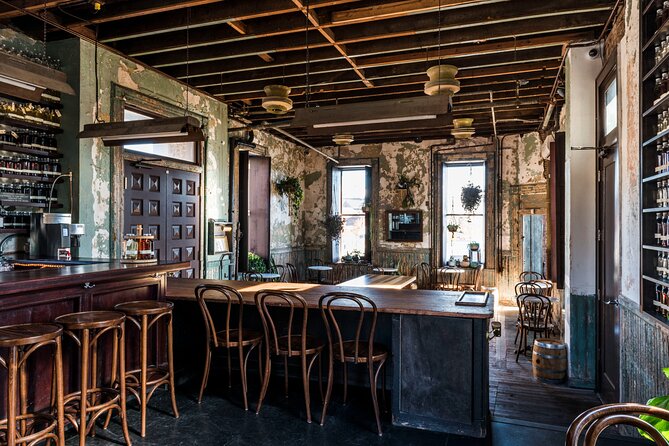
The tour ends with tasting of four products, and this is where the whole experience clicks for most people. The tasting is not presented as an afterthought—it’s the payoff for the explanation you just heard.
I suggest you approach the tasting like a mini comparison game:
- Take a moment to smell before sipping, even if it feels a little awkward at first
- Sip small and pause long enough to catch the finish
- Compare the fourth pour to the first—your brain remembers early impressions more clearly than you think
One piece of real feedback that matches this format: guide Erica is specifically praised for the tasting. The point isn’t just that the samples are good—it’s that you get multiple chances to explore the range, so you can tell differences rather than just judging which one is strongest.
Also, because you’re tasting while the production story is fresh, you’ll likely find it easier to connect what you’re experiencing to what you were told about mashing, fermentation, distillation, and barrel aging. That’s the value: less guesswork, more “oh, that’s why.”
If you’re the driver or you prefer to drink minimally, you should still go. You can often taste lightly, but the tour includes alcohol, so make the call that fits you.
Price, Scheduling, and Weather Reality
The price is $32.66 per person for about 1 hour 15 minutes, and it’s a small-group experience with a maximum of 30 travelers. For me, the value comes from two things you don’t always get together: a guided production explanation plus a structured tasting at the end.
It’s also helpful that the booking window is usually short. With typical bookings about 5 days in advance, you’ll want to reserve early if your dates are firm. If you’re traveling off-peak, you may have more flexibility, but there’s no downside to locking it in sooner.
Weather matters here. This experience requires good weather, and if it’s canceled due to poor weather, you’ll be offered a different date or a full refund. That’s the kind of clause you appreciate when you’re planning a day outdoors or around a neighborhood you want to explore efficiently.
Finally, there’s a hard constraint: the experience is non-refundable and cannot be changed for any reason. So treat it like an adult plan—double-check your calendar before you book.
Who Should Book This Tour (and Who Should Skip It)
This tour fits best if you want a compact, high-signal distillery experience. If you like learning how something works and then tasting your way through the evidence, you’ll enjoy it.
It’s also ideal for:
- First-time whiskey fans who want guidance without homework
- People who enjoy Brooklyn neighborhoods and want something that feels local and specific
- Anyone who appreciates a group size that stays small enough for Q&A and tasting clarity
Skip it or reconsider if you’re allergic to the idea of alcohol tasting (even small samples) or if your schedule is so flexible that a non-changeable, non-refundable plan would stress you out.
For many visitors, the “most travelers can participate” line plus the proximity to public transit makes this easy to build into a day.
Should You Book the Top Shelf Distillery Tour?
I’d book it if you want a tight, educational whiskey experience that ends with real comparison tasting. The combination of the distillery’s identity as the oldest NYC whiskey distillery since Prohibition, the process walk-through, and the four-drink tasting is a strong value mix for the time.
I’d hesitate only if your plans are unstable or weather-sensitive, since this experience requires good weather and the ticket is non-refundable with no changes. If your dates are firm and you’re excited to learn how whiskey shifts from mash to barrel, this one is worth a spot on your Brooklyn list.
FAQ
Where does the tour start?
The tour starts at The Gatehouses, Kings County Distillery, 299 Sands St, Brooklyn, NY 11205.
How long is the tour?
It runs for about 1 hour 15 minutes.
How much does it cost?
The price is $32.66 per person.
What happens at the end of the tour?
The tour ends with a tasting of four of Kings County Distillery’s products.
When should I book?
On average, this experience is booked about 5 days in advance.
Is it near public transportation, and can most people join?
Yes—it’s near public transportation, and most travelers can participate.
What if the weather is bad or I cancel?
The experience requires good weather. If it’s canceled due to poor weather, you’ll be offered a different date or a full refund. Otherwise, the experience is non-refundable and cannot be changed.