REVIEW · FRANCE
Tour Guide of an Essential Oil Distillery in the Drôme
Book on Viator →Operated by Distillerie des 4 Vallées · Bookable on Viator
Lavender smells better with a tour. This 1.5- to 2.5-hour visit at Distillerie des 4 Vallées pairs lavender fields with real production know-how, from drying areas to stills still at work. You’ll also get a guided look at how the family business grew from its 1930s roots to today’s distilling in the Drôme.
What I like most is the hands-on olfactory workshop. You’ll learn to tell different lavender types apart, including fine lavender, lavandin, and aspic, using your senses and what you see in the crops. It’s not just theory, and you’ll come away with practical ways to use essential oils and floral waters at home.
One thing to consider: the experience includes strong lavender fragrance and outdoor strolling for some parts. If you’re sensitive to scent, or you prefer fully indoors tours, this may feel a bit intense.
In This Review
- Key highlights you’ll care about
- Distillerie des 4 Vallées at a Glance: what you’re really paying for
- Timing and meeting: the 2:30 start that shapes your visit
- Stop 1: from lavender fields to stills with a real, guided production story
- What you’ll see during the guided portion
- A note on the guide experience (Andre counts)
- The olfactory workshop: fine lavender, lavandin, and aspic
- Distillation 101: harvesting bundles to the evaporation process
- What you’ll do with the knowledge at home
- Stop 2 self-guided: Vercors views and the restored stills museum area
- Stop 3 producers’ shop: buy with a plan, not a whim
- How to choose (quick and sensible)
- Price and value: why this one feels like a bargain
- Who should book this tour (and who might not)
- Practical tips to get the most out of the visit
- Should you book this tour?
- FAQ
- Where does the tour take place?
- What’s the tour price?
- How long is the experience?
- Is the tour offered in English?
- What happens during the main guided portion?
- Can I explore on my own after the guided tour?
- Is there time to shop?
- Is free cancellation available?
Key highlights you’ll care about
- Lavender fields first, before you ever step into the distillery area
- Interactive smell lesson to distinguish fine lavender, lavandin, and aspic
- Historic stills still in use, plus older equipment preserved for comparison
- Extra time on your own for photos with the Vercors mountains and museum wandering
- A shop with 300+ products, mixing their own oils and waters with local specialties
Distillerie des 4 Vallées at a Glance: what you’re really paying for
For about $8.47 per person, you’re not just buying entry to a pretty farm. You’re buying time with a guide who walks you through how lavender becomes essential oils and floral waters, using a mix of history, equipment, and hands-on learning.
You’ll spend the bulk of your visit in a guided format (about 1.5 hours), then you can extend it at your own pace afterward. That structure matters because it lets you switch gears: learn with the guide first, then slow down on your own to look closer, smell again, and take photos.
Also, it runs with English as an offered language option, and you’ll get a chance to ask questions at the end of the main tour. If you like tours where you can still talk to the guide, this one fits.
Timing and meeting: the 2:30 start that shapes your visit
The tour start time is 2:30 pm, and the total experience runs roughly 1 hour 30 minutes to 2 hours 30 minutes. That range is because you’ll have optional self-guided time after the guided part, plus a stop to browse the producers’ shop.
Plan to arrive a few minutes early so you’re not rushed when the guide begins outdoors. The schedule is built around moving from fields into production areas, so comfortable walking shoes help, even though the visit is generally friendly for most people.
If you want photos with clear light, the afternoon start is usually decent. Just remember: lavender distillation areas can be fragrant year-round, so expect the scent quickly.
Stop 1: from lavender fields to stills with a real, guided production story
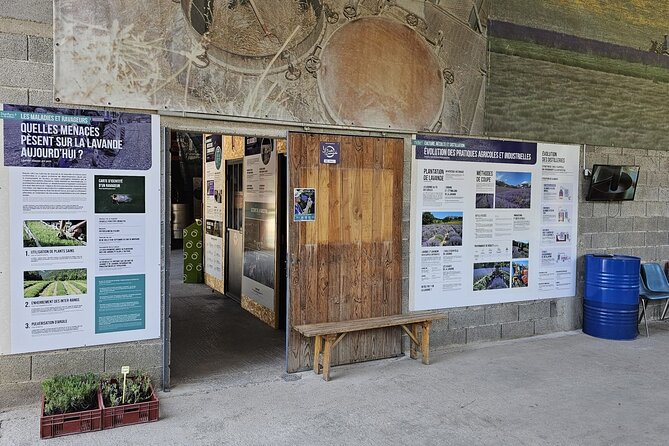
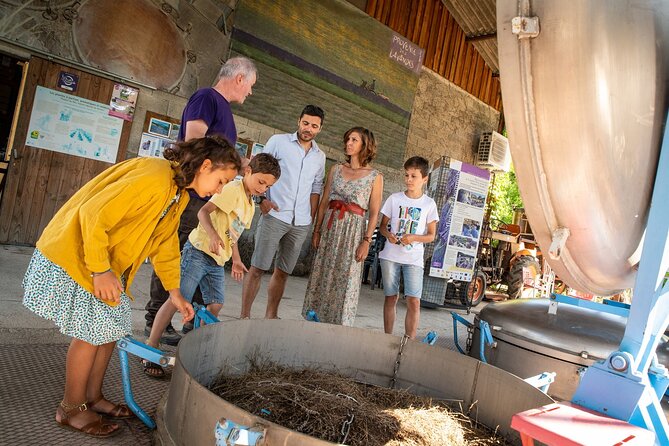
Stop 1 is the heart of the experience, and it lasts around 1.5 hours. It starts with the estate and its surroundings, including the lavender fields, drying areas, and the distilling spaces where equipment is still active.
A big part of what makes this stop valuable is the way it’s explained. You’re not just walking past machinery. You learn the estate’s family timeline, including its founding in 1930, and you see how the place evolved while keeping distillation practical and ongoing.
What you’ll see during the guided portion
You’ll move through the working flow of lavender production, including:
- Lavender fields where you can observe the crop
- Drying areas tied to how bundles are prepared
- Historic stills that are still in use today
- Distillation spaces where traditional and modern methods are both part of the story
It’s a helpful way to understand the process without turning it into a lab lecture. You’re meant to connect what you see outside with what happens inside.
A note on the guide experience (Andre counts)
One of the best parts is the human energy. In one described tour experience, the guide Andre (85 years old) is portrayed as passionate and still very involved, sharing lavender and distillation secrets with humor and clarity. You can’t predict which guide you’ll get, but this is a place where guides clearly care about what they explain.
The olfactory workshop: fine lavender, lavandin, and aspic
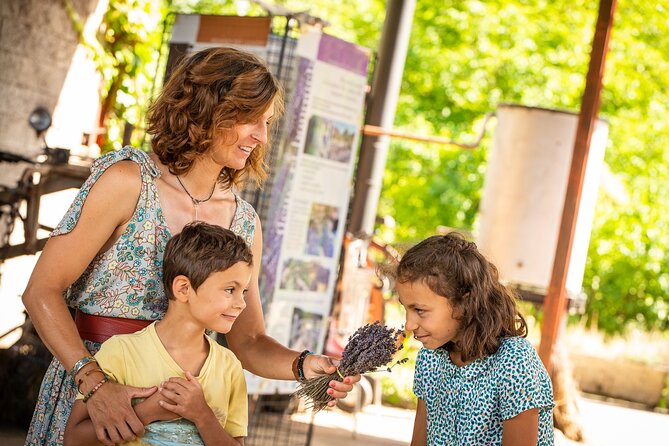
The tour includes an interactive scent-and-observation element, and it’s one of the most memorable parts. You’ll learn to distinguish fine lavender, lavandin, and aspic by looking at the crops and participating in an olfactory workshop.
Why this matters: most visitors only know lavender as a generic smell. Here, you start noticing that lavender isn’t one single thing. Learning the categories helps you make better choices later when you’re buying oils or floral waters, because your nose is already trained to notice differences.
How to make the workshop work for you:
- Pay attention to what your guide asks you to compare
- Don’t rush the smelling step (your sense adapts quickly, and you’ll miss nuance)
- If you’re buying later, take a mental note of which scents you personally preferred
And yes, it can be strong. The point is that you’re using your senses on purpose, not just walking by fragrance in the background.
Distillation 101: harvesting bundles to the evaporation process
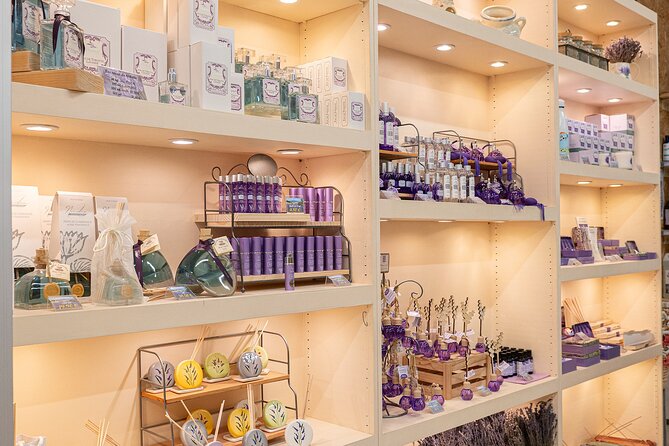
After the lavender lesson, the guide shifts into distillation techniques. You’ll hear about both traditional and modern approaches, but in a way that stays practical and visual.
You’ll cover the flow from:
- Harvesting bundles
- Through the evaporation process
- To what essential oils and floral waters come from
This is where you get the “so that’s why it’s priced the way it is” feeling. Essential oils are produced through careful timing and processing, not just a quick extract. Learning the steps helps you understand why the oils aren’t generic perfume substitutes.
If you’re curious about how production evolves over decades, this is also where the family-history context clicks. The estate story isn’t random trivia; it explains why certain equipment and habits continued while other parts modernized.
What you’ll do with the knowledge at home
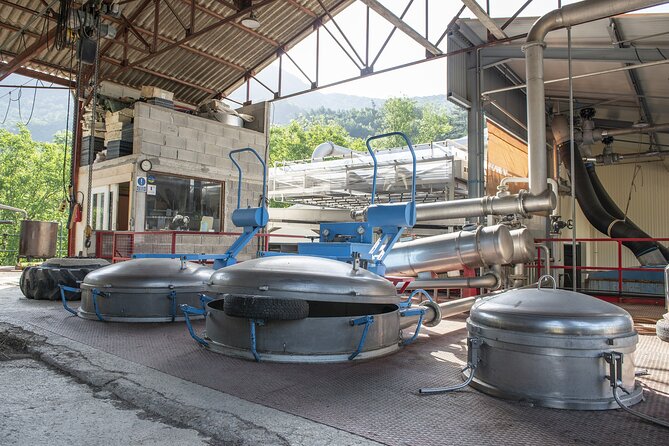
The tour wraps up Stop 1 with practical guidance. You’ll learn about practical uses of essential oils and floral waters in everyday life, and you’ll get time for friendly questions with your guide.
This Q&A part is underrated. Even if you know something about lavender already, it’s the moment you can tailor your takeaway:
- Which products match the scents you liked most?
- What should you use for scenting rooms versus personal use?
- What’s the difference in how you might enjoy floral water compared with oil?
You leave with tips that help you shop with confidence instead of just buying the prettiest bottle.
Stop 2 self-guided: Vercors views and the restored stills museum area
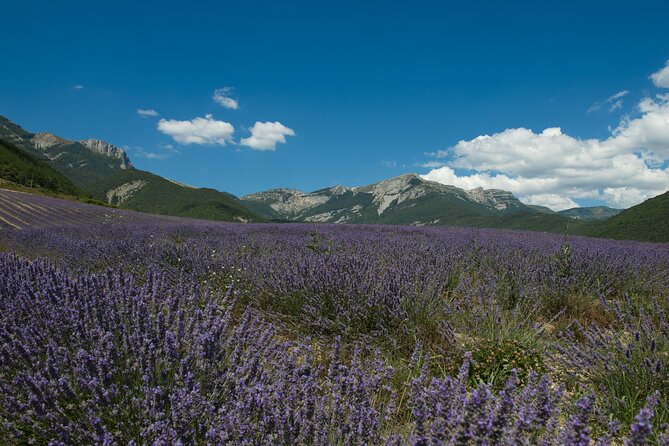
After the guided tour, you have optional extension time: about 30 minutes. This is your chance to slow down and explore without being rushed by the group.
You can stroll through the nearby lavender fields, with the Vercors mountains as a backdrop for photos. If you’re the kind of person who enjoys looking closer at plants and not just taking pictures, this is a good moment to linger.
You can also spend time in the museum area featuring fully restored historic stills. The focus here is how distillation techniques evolved across nearly a century of expertise. This matters because it gives context for what you just learned in the guided production story.
A small practical tip: if you’re planning to buy later, use this self-guided time to decide what you want to smell and compare again in the shop. Your favorite scents from the workshop can guide your picks.
Stop 3 producers’ shop: buy with a plan, not a whim
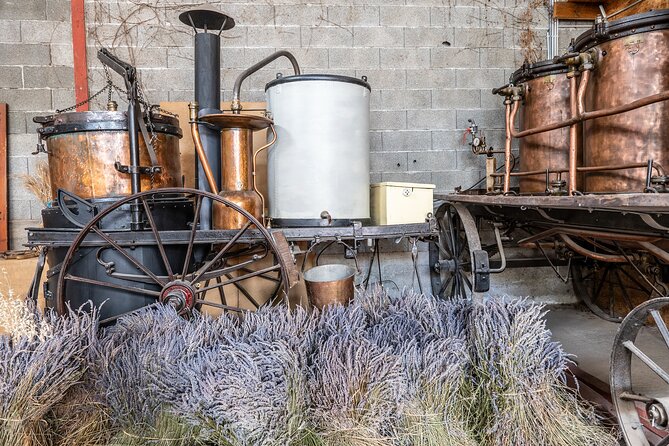
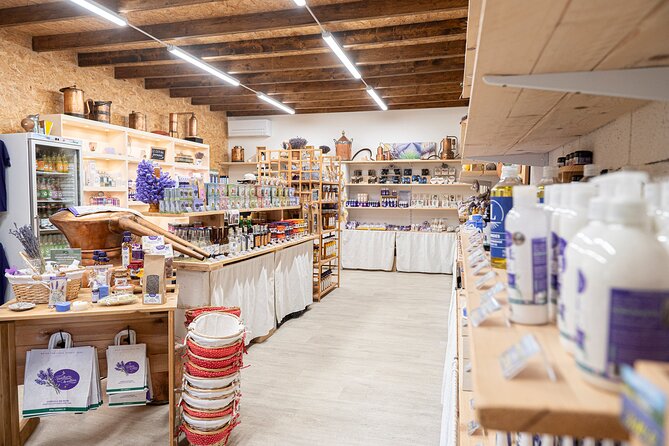
The final stop is the shop next to the distillery, about 15 minutes. This is where the tour’s education pays off, because you can translate what you smelled into what you buy.
The shop carries 300+ products made by French and local artisans. You’ll see their own creations such as:
- Essential oils
- Floral waters
- Syrups
- Cosmetics
You’ll also find local specialties including honey, jams, soaps, biscuits, and other regional treats. That makes it more than a one-note souvenir stop. It’s easy to build a small gift stack that isn’t all the same item.
How to choose (quick and sensible)
If you want value and not just volume, focus on:
- Products tied to the lavender types you liked during the workshop
- Whether you prefer scent (often easier with oils) or a gentler experience (floral waters)
- One or two edible items (like syrups or biscuits) if you want something practical you’ll actually use
If you’re buying as gifts, consider mixing a fragrant item with a local edible. It broadens who will enjoy what you bring home.
Price and value: why this one feels like a bargain
At $8.47, this tour feels good value for three reasons.
First, you get a genuine guided production experience, not just a walk-through. You learn about the estate’s founding in 1930, and you hear how distillation works from harvesting to evaporation.
Second, you get extra time beyond the guide: field strolling, museum wandering, and shopping. Even if you only use parts of the extra time, it raises the total “value per minute” you get.
Third, you’re paying for knowledge that helps you buy better later. The smell workshop and lavender-type lesson make shopping more intentional, which saves money on products you might not enjoy.
Who should book this tour (and who might not)
This tour is a strong fit if you like:
- Hands-on learning with scent (olfactory workshop)
- Working landscapes and equipment you can see up close
- Taking home practical products, not just photos
It’s also a nice age-range option. One described visit included a group from around ages 9 to 74, with everyone enjoying it. That tells you the experience can work across generations, as long as you’re okay with light walking and strong fragrance.
You might skip it if:
- Lavender scent bothers you quickly
- You prefer long, detailed museum time over a guided outdoor-and-production tour
- You want a completely indoor experience with zero outdoor time
Practical tips to get the most out of the visit
Here’s how to make your hour-and-a-half fly by in the best way.
- Wear comfortable shoes for field paths and moving between areas.
- Go slower during the smell workshop so your preferences stick in memory for the shop.
- When the guide invites questions, ask something specific like how to use what you’ll buy (essential oils versus floral waters).
- Use the self-guided time to do photos with the Vercors mountains backdrop, then return with a short list for shopping.
If you do those things, you’ll leave with more than a souvenir. You’ll leave with a clearer idea of what you like and why.
Should you book this tour?
Yes, you should book it if you want a short, structured way to understand lavender distillation while also enjoying the fields and leaving with real Drôme products. The price-to-experience ratio is strong, and the smell workshop turns the visit into something you actually remember.
Book it especially if you care about buying essential oils or floral waters thoughtfully. The guide’s explanations and the workshop put you in charge of your own choices.
If you know you’re very sensitive to scent or you want an all-indoor tour with minimal fragrance, then consider a different type of activity. Otherwise, this one is a satisfying mix of production, history, and practical shopping.
FAQ
Where does the tour take place?
It takes place at Distillerie des 4 Vallées in France, in the Drôme region.
What’s the tour price?
The price is listed as $8.47 per person.
How long is the experience?
Plan for about 1 hour 30 minutes to 2 hours 30 minutes, depending on how much extra self-guided time you take.
Is the tour offered in English?
Yes, it’s offered in English.
What happens during the main guided portion?
You’ll tour behind the scenes, see lavender fields and drying areas, learn about the distillery’s family history, take part in an interactive olfactory workshop, and learn about traditional and modern distillation techniques.
Can I explore on my own after the guided tour?
Yes. You’ll have extra time to stroll through the lavender fields, take photos with the Vercors mountains in the background, and visit the museum area with restored historic stills.
Is there time to shop?
Yes. The producers’ shop is included near the end, with essential oils, floral waters, syrups, cosmetics, and local specialties.
Is free cancellation available?
Yes. You can cancel for a full refund if you cancel at least 24 hours before the experience’s start time.