REVIEW · ICA
Winery and Pisco Distillery tour
Book on Viator →Operated by Sam Travel Experiences · Bookable on Viator
Pisco tours sound like a lot of drinking. This one is about the process, the people, and the history behind the bottle. I love starting at Hacienda Tacama, the oldest winery in South America, and I like the easy round-trip pickup from Ica or Huacachina. One heads-up: Tacama’s PEN 25 entrance ticket isn’t included in the price, so budget for that extra stop cost.
The whole outing runs about 5 to 6 hours, and it moves at a friendly pace thanks to a small group size (max 12). You’ll sample multiple pisco styles and wines, with lunch time built into the schedule so you’re not stuck hungry between tastings.
If you prefer fewer winery stops, the day includes three main producer visits and a couple of “cellar/heritage” moments. It’s a great format for first-timers, but it can feel like a lot if you’re picky about spending time in tasting rooms.
In This Review
- Key highlights you’ll care about
- Why Ica’s Pisco Route feels like a smart use of time
- Pickup, schedule, and staying on time without stress
- Stop 1: Hacienda Tacama, the oldest South American winery (and the extra ticket note)
- Monday adjustment
- Budget for the ticket
- Stop 2: El Arrabal, then La Vieja Bodega Lovera’s 16th–17th century cava
- La Vieja Bodega Lovera: the Spanish cava moment
- Consideration: pacing
- Stop 3: Pisco Nietto (family roots dating back to 1857)
- Tastings, lunch time, and how to get the most from every stop
- Lunch break is real time
- Ask questions when the guide has you in the moment
- Price and value: what you really pay (and what costs extra)
- Who should book this tour in Ica (and who might skip it)
- My honest take: should you book the Winery and Pisco Distillery tour?
- FAQ
- How long is the Winery and Pisco Distillery tour in Ica?
- What does the tour price include?
- Is Tacama admission included in the $30.77 price?
- What happens if my tour is on a Monday?
- Where does pickup happen?
- How many people are in the group?
- Does weather affect the tour?
Key highlights you’ll care about
- Tacama first: visit the oldest South American winery and get tasting time early in the day
- Small group (max 12): more guide attention, fewer people fighting for the best questions
- Artisanal stops: El Arrabal and family-run Nietto add variety beyond a big factory feel
- Old Spanish cellar: time inside a 16th–17th century cava at La Vieja Bodega Lovera
- Lunch free time included: you get a real break, not just a quick snack between tastings
- Monday swap: Tacama closes on Mondays, replaced by Vista Alegre (same category)
Why Ica’s Pisco Route feels like a smart use of time
In Ica, pisco isn’t just a drink. It’s a local craft with rules, grape choices, and traditions that people take seriously. This tour gives you the straight story on how pisco and wine are made, then lets you taste the results instead of treating it like a random souvenir stop.
At about 5 to 6 hours, it’s long enough to feel like you accomplished something, but not so long that your whole day is gone. That balance matters if you’re also trying to fit in sandboarding at Huacachina or a relaxed dinner after.
I also like how this isn’t only “big brand” winery touring. You get a mix of industrial production context at Tacama plus more hands-on, artisanal style visits later in the day. That variety helps you understand why two bottles can both be pisco, and yet taste very different.
Pickup, schedule, and staying on time without stress
This tour is built around convenience. You get round-trip transportation from your hotel in Ica or Huacachina. If you’re arriving by bus, you’ll be picked up at the bus station as well, which is a big deal when you don’t want to hunt down a meeting point right after travel.
You can choose from several tour times, so you’re not forced into the one slot that ruins your plans. And because the group is capped at 12 travelers, the day doesn’t feel like a cattle call. Fewer people usually means the guide can answer questions without rushing.
One detail that’s helpful: on holidays, pickups happen at Plaza de Armas and Huacachina, but drop-off goes back at the provider’s Ica office or the Plaza de Armas in Ica. If you’re planning a taxi or a later activity, just keep that in mind so you aren’t surprised by where you end up.
Also, the experience needs good weather. If conditions are bad, you’ll be offered a different date or a full refund. That’s the kind of practical line item that saves disappointment.
Stop 1: Hacienda Tacama, the oldest South American winery (and the extra ticket note)
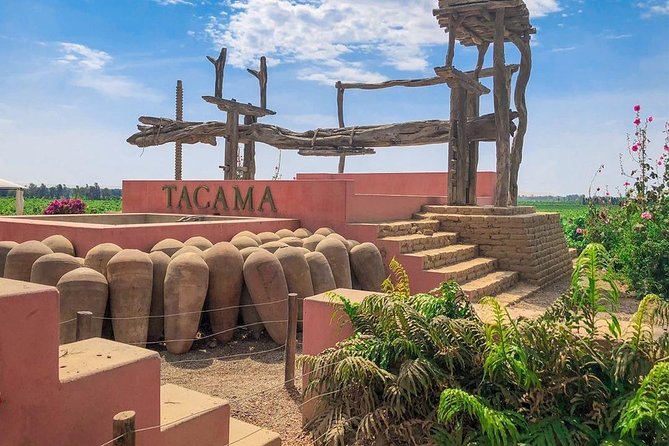
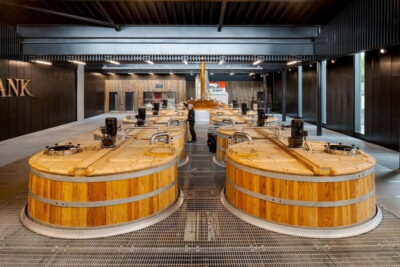
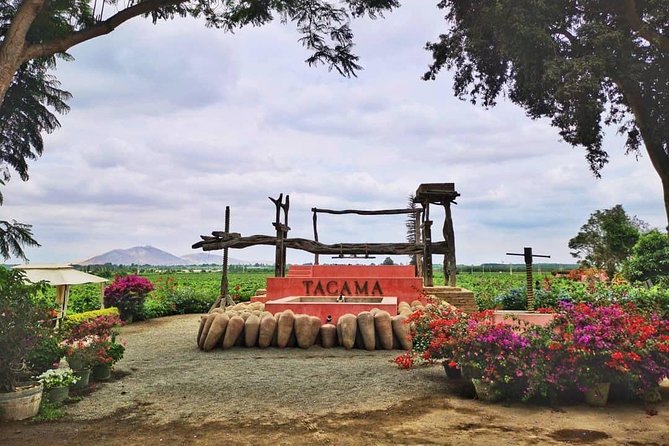
Your tour starts at Hacienda Tacama, currently known as the Tacama industrial winery. It’s described as the oldest winery in South America, and you’ll taste wines and piscos as part of the visit. The day starts strong because you’re anchoring everything you learn later to a major historical reference point.
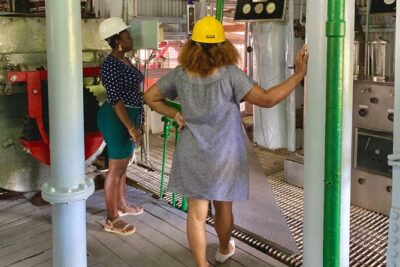
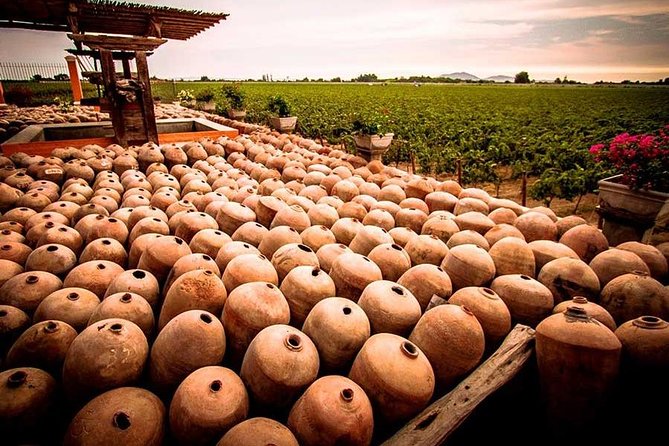
This stop is also where the tour frames production in a more structured way—how the winery produces wines, pisco, and sparkling wines from fine grapes. Even if you don’t know the technical terms, seeing the scale and organization early helps you make sense of what you’re tasting.
Monday adjustment
Important rhythm note: Mondays Tacama has rest, so the tour replaces it with Hacienda Vista Alegre, described as the same category. If your trip lands on a Monday, you’ll still get the same style of “major winery” experience—just not Tacama itself.
Budget for the ticket
Here’s the practical catch: Tacama ticket entrance is not included. You’ll pay PEN 25 per person (cash or card). In a tour priced at $30.77, that fee is small, but it’s still worth planning for so you don’t get stuck doing last-minute math mid-day.
Stop 2: El Arrabal, then La Vieja Bodega Lovera’s 16th–17th century cava
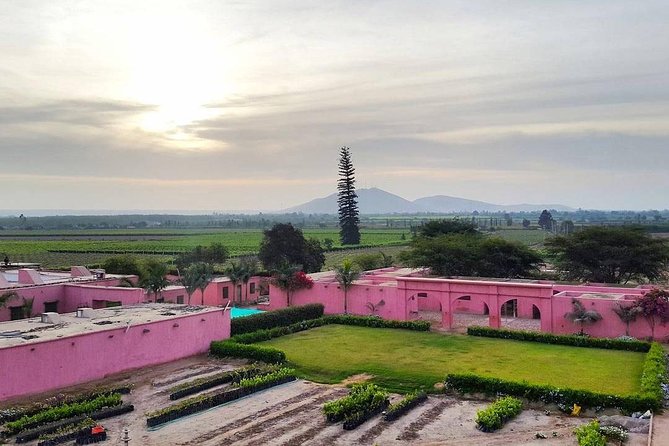
After Tacama, the tour continues with the Pisco Route through recognized wineries. The second stop starts with El Arrabal Tourist Winery (Fundo – Hotel El Arrabal), an artisanal winery where the tradition in producing wine and pisco is preserved. This is where the tour starts to feel more local and hands-on.
A nice touch here: you get free time for lunch in the restaurant at the vineyard. That matters more than it sounds. Tastings can make time vanish, and hunger makes everything less fun. Lunch time gives you a reset, and it keeps the day from turning into back-to-back samples only.
La Vieja Bodega Lovera: the Spanish cava moment
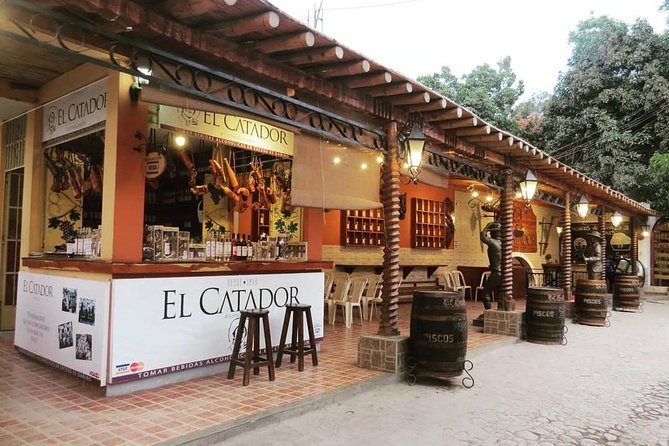
Following El Arrabal, you visit La Vieja Bodega Lovera, a well-known artisanal winery. Yes, the focus is on piscos, vinos, and cachinas—but the standout detail is the authentic Spanish cellar (cava) dating to the 16th and 17th centuries.
This is one of those “you can’t recreate it later” experiences. Walking into an old cava changes the tone of the tasting. Instead of thinking only about flavor, you start thinking about how storage, temperature, and time shape the final result.
Consideration: pacing
You should know the day is structured around multiple stops with tastings. If you prefer a slow, single-winery afternoon, you might find the “three producers plus heritage cellar” approach a bit much. The trade-off is you get a much broader feel for the Ica pisco scene than you would on a one-stop visit.
Stop 3: Pisco Nietto (family roots dating back to 1857)
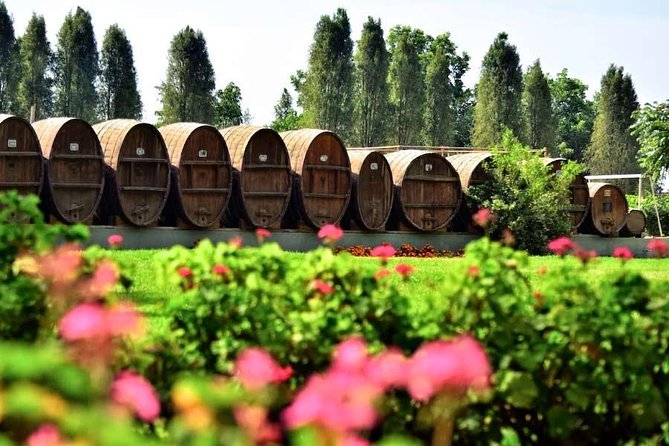
The final major visit is Bodega Nietto, with a stop framed around its “mother winery.” This matters because the tour emphasizes family continuity: it was founded by the Gonzalez Misa family in 1857, and it’s currently run by the 4th generation.
That family-run angle is more than trivia. When a winery stays in the family for that long, the traditions and preferences tend to show up in what ends up in your glass. You’re tasting something that has been refined over generations, not created to meet today’s trends.
At this stop, you’ll again focus on piscos, wines, and cachinas. And because you’ve already visited Tacama and the earlier artisanal experiences, this third stop gives you a solid comparison point. The flavors may blend together in memory if you aren’t paying attention—so take a moment between tastings to note what you like: sweetness level, aromatic intensity, and how smooth the finish feels.
Then you’ll be transferred back to your hotel in Ica.
Tastings, lunch time, and how to get the most from every stop
This tour includes tasting at each winery—so plan your day like a tasting itinerary, not like a sightseeing day. Transport is taken care of, so you don’t need to worry about driving. Still, pace yourself. It’s easier to enjoy the experience when you’re clear-headed enough to compare bottles instead of just chasing the strongest flavors.
Lunch break is real time
You’re getting free time for lunch during the El Arrabal segment. Use that break. Eat something that won’t wreck your stomach if you’re still tasting later, and don’t treat lunch as a rushed snack between photos. This is when you reset your energy for the final stop.
Ask questions when the guide has you in the moment
A small group means your guide can actually interact with you. If you’ve got questions—how grapes influence taste, what makes pisco styles different, why storage matters—this is the time to ask. The best moments often come when you connect a tasting directly to what you saw in the winery.
Also, communication is a strong point for this operator based on past experiences. One person noted help at short notice and clear messaging, and others praised guides for being prompt and for adding history during the ride. If you’re juggling another tour later, you’ll appreciate that they tend to keep transitions smooth.
Price and value: what you really pay (and what costs extra)
Let’s talk value for $30.77 per person. For that price, you get:
- Round-trip hotel or bus-station transport
- Visits to the artisan wineries El Arrabal and Bodega Nietto
- Visit to Tacama
- Tasting of piscos and wines
- Entrance to the specified tourist places
- Free time for lunch during the tour
The only clearly stated extra cost is Tacama entrance ticket (PEN 25 per person), which you’ll pay at the site (card or cash).
So is it “cheap”? It’s not bargain-basement, but it’s also not inflated when you count transport, multiple winery visits, and tastings. The day’s biggest value is variety: Tacama gives you the historical anchor, El Arrabal and La Vieja Bodega Lovera add craft and heritage cellar atmosphere, and Nietto brings family-run tradition into the mix.
If you compare that to a basic tasting-only experience with no transport, this ends up feeling more like a full afternoon with structure.
Who should book this tour in Ica (and who might skip it)
This is a great match if you:
- Want a classic first look at pisco country without figuring out logistics yourself
- Are staying in Ica or Huacachina and want an easy door-to-door day
- Enjoy tastings but want them paired with real winery context
- Like smaller groups where your guide can slow down for questions
It may be less ideal if you:
- Prefer just one winery stop and don’t want multiple tastings in a single day
- Don’t drink much and feel uncomfortable around structured tastings
- Have a very tight schedule that can’t handle a 5 to 6 hour block
If you’re traveling with someone who loves both history and flavor, this works especially well: you get the “why” behind the bottle, plus the tasting payoff.
My honest take: should you book the Winery and Pisco Distillery tour?
I’d book it if your goal is to understand Ica’s pisco scene, not just buy a bottle. The combination of Tacama (major historical starting point), El Arrabal and La Vieja Bodega Lovera (artisanal + the old Spanish cava), and Bodega Nietto (family history since 1857) gives you a full picture in one organized afternoon.
Just be ready for the one extra fee at Tacama and for a schedule that includes multiple tasting stops. If you’re okay with that, it’s a strong value: good transport, lunch time included, and a small group setup that keeps the experience from feeling rushed.
If your trip lines up on a Monday, don’t worry—the replacement at Vista Alegre keeps the same category of big winery visit in play.
FAQ
How long is the Winery and Pisco Distillery tour in Ica?
It lasts about 5 to 6 hours.
What does the tour price include?
The price includes pickup from the bus station or your hotel, visits to El Arrabal, Bodega Nietto, and Tacama, plus pisco and wine tastings, entrance to the specified tourist places, and free time for lunch.
Is Tacama admission included in the $30.77 price?
No. Tacama’s entrance ticket is not included. You pay PEN 25 per person at the site (cash or card).
What happens if my tour is on a Monday?
On Mondays, Hacienda Tacama is closed, so the visit is replaced with Hacienda Vista Alegre, which is the same category.
Where does pickup happen?
Pickup is from Ica or Huacachina hotels. If you arrive by bus, you’ll be picked up at the bus station. On holidays, pickup is at Plaza de Armas and Huacachina.
How many people are in the group?
The tour has a maximum of 12 travelers.
Does weather affect the tour?
Yes. The experience requires good weather. If it’s canceled due to poor weather, you’ll be offered a different date or a full refund.