REVIEW · ST CROIX
Farm to Bottle Tour at Prosperity Farm Distillery
Book on Viator →Operated by Prosperity Farm Distillery · Bookable on Viator
Sugarcane becomes your cocktail in an hour. At Prosperity Farm Distillery on St. Croix, you get the full farm-to-bottle story, from sustainable sugarcane to small-batch spirits, plus an easy tasting flight and a premium cocktail.
One thing to plan around: you will not see rum here, since they do not make rum under local laws, so your spirit tasting will focus on gin and liqueurs.
In This Review
- Key Highlights You’ll Actually Care About
- Why This Prosperity Farm Distillery Tour Feels Different on St. Croix
- Price and Value: What $35 Buys You (and What Doesn’t)
- Getting There: Frederiksted Meeting Point and Practical Timing
- Estate Prosperity Grounds: How the Story Connects Farm, People, and Bottles
- Sustainable Sugarcane Farming: What You’re Learning to Look For
- Gin and Liqueurs in the Distillation Process: Expect Real Production Talk
- The Tasting Flight and Premium Cocktail: How to Make the Most of It
- Boutique Time: Bringing Home Spirits and Locally Made Goods
- Who Should Book This Farm-to-Bottle Tour (and Who Might Skip)
- Should You Book the Farm to Bottle Tour at Prosperity Farm Distillery?
- FAQ
- How long is the Farm to Bottle Tour?
- How much does the tour cost?
- Where does the tour start?
- What do you taste during the tour?
- Do they make rum at Prosperity Farm Distillery?
- How large are the groups?
- Is there time for shopping?
- What happens if weather is bad?
Key Highlights You’ll Actually Care About
- Only farm-to-bottle distillery on St. Croix: estate farming linked directly to what ends up in the bottle
- 180 acres overlooking the sea: sustainable sugarcane farming as the starting point
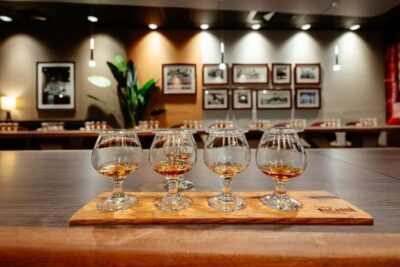
- Flight of 3 handcrafted spirits: you taste multiple styles, not just one pour
- Premium cocktail included: drink time in an air-conditioned tasting room
- Estate Prosperity past to present: plantation roots connected to today’s social entrepreneurial mission
- Boutique shopping after the tasting: locally crafted goods and gifts, and typically bottles to take home
Why This Prosperity Farm Distillery Tour Feels Different on St. Croix

This is not a generic distillery stop where you stand in a room and get a lecture. Prosperity Farm Distillery is built around the idea that the farm and the bottle belong together, so you’re learning how the raw material becomes the final drink. That farm-to-bottle flow is the core reason this tour works so well.
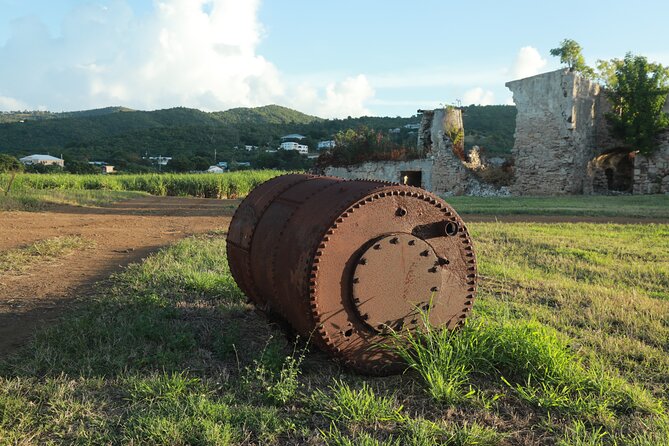
The setting helps too. The distillery sits on 180 acres of sugarcane grounds with sea views, which means the story has a real sense of place. You’re tasting something made from the same kind of crops you’re hearing about, and that makes the whole experience feel more grounded than most tastings you’ll find while island hopping.
Two more reasons I like this tour: you’re served a proper tasting flight of 3 handcrafted spirits, and you also get a premium cocktail. In other words, you get both the education and the reward, with no awkward “buy something or you leave empty-handed” vibe.
Price and Value: What $35 Buys You (and What Doesn’t)
At $35 per person for about 1 hour, this tour sits in the sweet spot for an activity that’s both guided and drink-focused. You’re paying for three things that often cost extra elsewhere: access to the distillery experience, a structured tasting flight, and a cocktail included in the price.
What you’re not paying for (and shouldn’t expect) is a long, multi-hour program. It’s intentionally compact. Think: learn the process, taste the results, and get back to your day with your head and glass clearer.
Also, keep the rum point in mind when you’re judging value. Since rum is not produced here, your tasting experience is tailored to what they actually make—gin and liqueurs—so you’ll get better value if those styles are what you enjoy.
Getting There: Frederiksted Meeting Point and Practical Timing
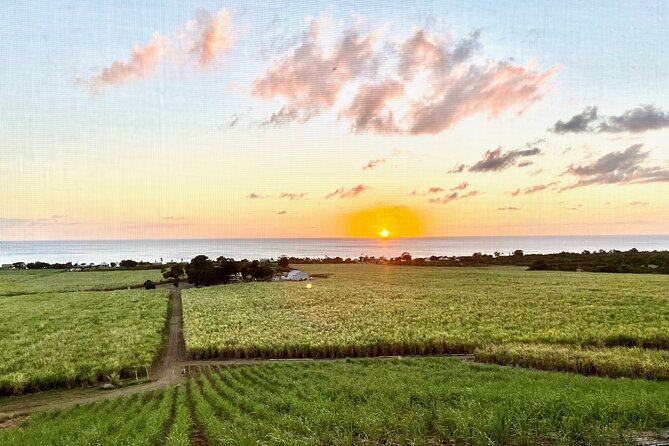
The tour meets at P4G9+H3 in Frederiksted (your start point is listed there), and it ends back at the same meeting spot. That matters because you don’t have to figure out a complicated end-location or arrange transport just to get back to your base.
Plan your timing with island reality. The experience is weather-dependent, so if conditions are rough, they may reschedule or refund. It’s also a good idea to arrive a few minutes early so you’re not rushing with sunglasses on and a phone trying to find signal.
Group size is capped at 28 travelers, which helps keep the tour from turning into a slow-moving shuffle. It’s still a group experience, but it’s not packed.
If you’re using the mobile ticket, have it ready on your phone before you get to the meeting point. This is the kind of activity where you’ll feel smarter if you’re ready to go when the guide is.
Estate Prosperity Grounds: How the Story Connects Farm, People, and Bottles
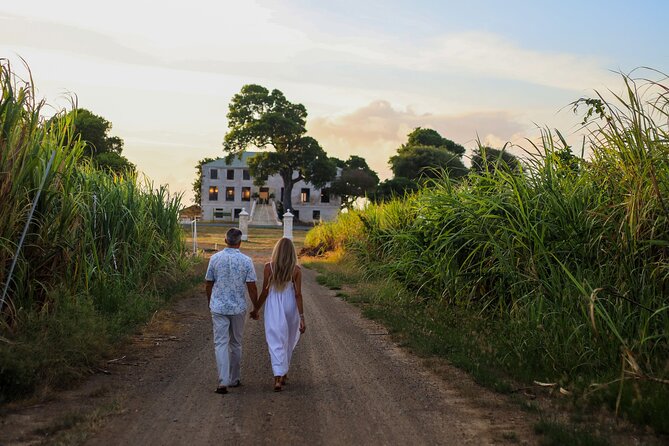
The tour begins at the grounds of historic Estate Prosperity, where you’re not just shown pretty buildings. You get a guided narrative that ties three time periods together: the estate’s plantation-era past, Prosperity Farm Distillery’s social entrepreneurial present, and a future built around agritourism, natural resources, and craft distilling.
That background is more than trivia. It’s a way to understand why the distillery exists in the first place. When you connect the farm work to community goals, the “why” behind the business becomes clear. It also helps you appreciate what sustainable sugarcane farming means here, because it’s not just a marketing phrase—it’s the starting point for the spirits you’ll taste.
You’ll also get orientation on what to watch for as the tour moves from the farm story to the distilling process. This makes the next parts easier: you’re following a chain of cause and effect rather than jumping between random facts.
Sustainable Sugarcane Farming: What You’re Learning to Look For
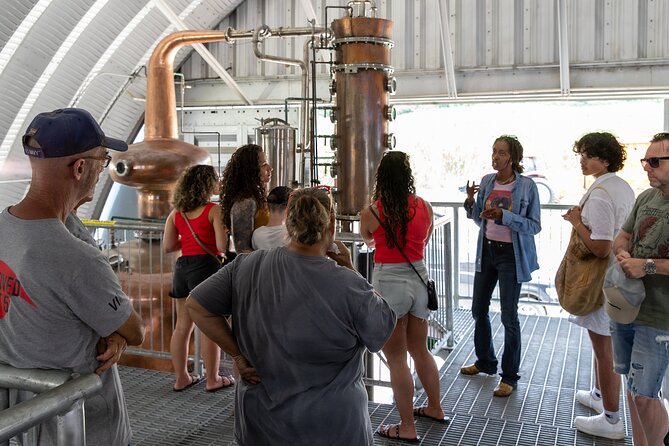
This tour is built around the sugarcane side of distilling, and that’s where the farm-to-bottle idea becomes real. You’re guided through how sugarcane farming supports the spirits-making operation, with an emphasis on sustainable practices.
Even if you’re not a plant nerd, you’ll find the explanation makes sense because it stays tied to production. The point is simple: without healthy, consistent farm inputs, the distillery can’t reliably create small-batch spirits with the character they’re known for.
This is also one reason the tour feels personal. The distillery isn’t just collecting crops from elsewhere—it’s linking the agricultural work to the final bottles. That’s why the experience is considered distinctive on St. Croix.
If you like hands-on stories, watch for how the guide connects farming decisions to flavor outcomes. You won’t get a lab report, but you will understand the workflow enough to taste with intention.
Gin and Liqueurs in the Distillation Process: Expect Real Production Talk
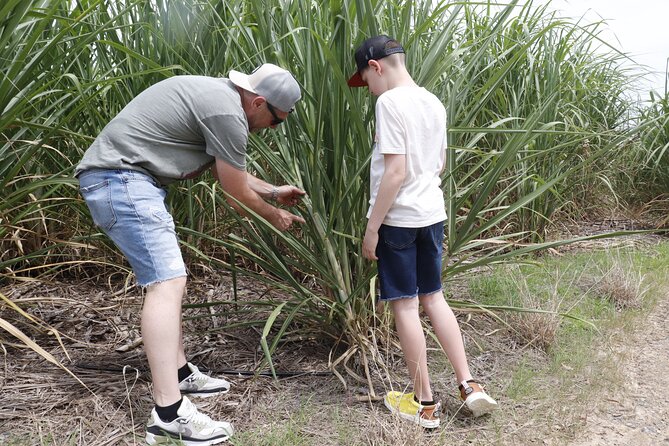
After the farm story, the tour shifts into craft distilling and the transformation of what the farm produces into what you’ll actually drink. You’ll see the distillation process explained as part of the whole chain, so the tasting doesn’t feel random.
Here’s the practical takeaway: your tasting focus will be gin and liqueurs, not rum. The distillery does not make rum due to local laws, so if rum is your default spirit, you’ll be disappointed.
If you like gin-style flavors, this is a solid place to expand your St. Croix spirit map. And if liqueurs are your thing, pay attention during the tasting—one liqueur in particular gets called out often, including a banana option. If that banana liqueur is on your flight, try it. It’s a fun way to contrast fruit-forward sweetness with gin’s more botanical profile.
The Tasting Flight and Premium Cocktail: How to Make the Most of It
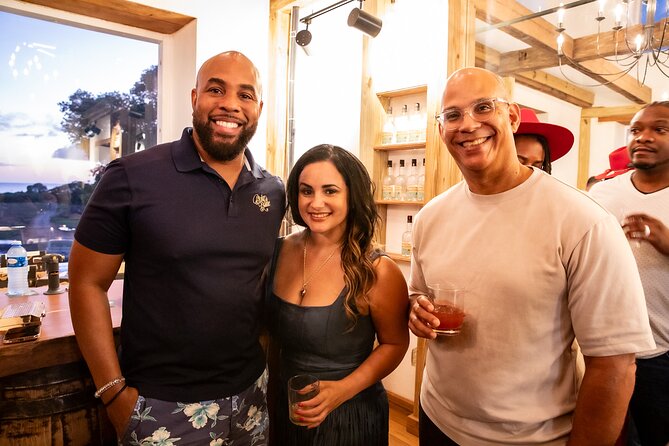
The main event is a tasting flight of 3 handcrafted spirits, followed by a premium cocktail. Because the tour is about an hour long, you’ll get guided context, then move quickly into drink time. This keeps it lively and also helps you avoid that sluggish “how many tastings do we have left?” feeling.
In the air-conditioned tasting room, you’ll be able to slow down and actually pay attention to what you taste. That matters on a warm day in the Caribbean. You’re not just swallowing drinks to survive the heat; you’re tasting in comfort.
A smart approach during the flight:
- Start with the spirit that feels closest to your usual preferences.
- Note how each pour changes after the first sip.
- Save the most interesting one for last, when your taste buds are warmed up.
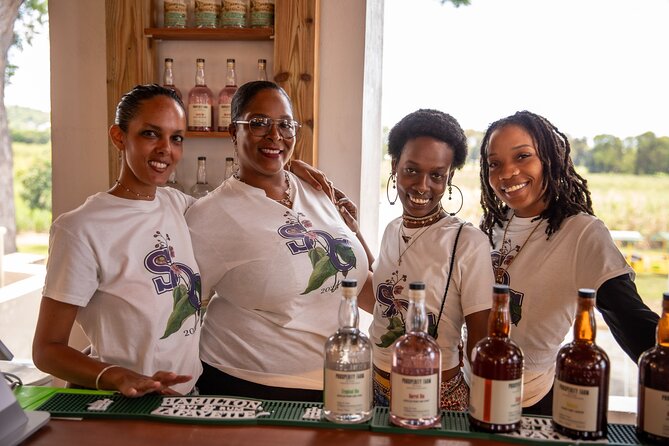
You’ll likely notice that the guide encourages tasting with curiosity, not just “cheers and move on.” Names like Amaren and Tywreh have been mentioned for bringing strong energy and personality to the tour, and that kind of back-and-forth makes a tasting more memorable.
And yes—this is the part where you’ll probably want to slow your pace after you’ve tried everything. The cocktail and the flight are the kind that make shopping in the boutique more fun, because you have flavors attached to items in your hand.
Boutique Time: Bringing Home Spirits and Locally Made Goods
After the tasting, you’ll have time to browse the distillery boutique. That’s where you can pick up locally crafted goods and gifts, and it’s also where you’ll often find ways to take the distillery home with you—bottles you can bring back after your St. Croix day is done.
This part is underrated because it turns a tour into a souvenir hunt that feels connected to what you learned. If you remember the gin profile you enjoyed most, buying the bottle becomes less random and more satisfying.
If you’re short on space in your luggage, plan your picks early. You can always buy gifts first, then decide whether the bottles still fit your travel reality.
Also, if you’re the type who likes giving practical gifts, a bottle plus a small local craft can make a travel gift that people actually use.
Who Should Book This Farm-to-Bottle Tour (and Who Might Skip)
I think this tour is a great fit if you want something more “local” than a checklist activity. You’ll probably enjoy it if you like:
- learning how an ingredient moves from farm to bottle
- tasting small-batch spirits rather than beer-only experiences
- getting a mix of local context plus product
It may not be the best choice if you’re only interested in rum. Since rum isn’t made here, the tour isn’t going to match that specific wish.
It’s also ideal if you want a compact activity. About one hour is just long enough to feel like you got your money’s worth without hijacking your whole day.
And if you’re traveling with a group that has different drink preferences, gin and liqueur flights plus a cocktail included give you enough variety to keep most people happy.
Should You Book the Farm to Bottle Tour at Prosperity Farm Distillery?
Yes, if you want an hour on St. Croix that’s both educational and genuinely fun. For $35, you get a structured tasting flight of 3 spirits plus a premium cocktail, set in a distillery that’s explicitly built around the farm-to-bottle concept. That combination is hard to beat.
I’d especially book it if you’re curious about sugarcane farming and how agricultural work turns into spirits, not just how a machine turns liquid into alcohol. The air-conditioned tasting room and capped group size make it an easier experience to enjoy without chaos.
Skip it only if rum is non-negotiable for you, or if you prefer spirits tastings that are longer and less focused on a single distillery’s methods.
FAQ
How long is the Farm to Bottle Tour?
It runs about 1 hour.
How much does the tour cost?
The price is $35.00 per person.
Where does the tour start?
It starts at P4G9+H3 in Frederiksted, St. Croix, USVI.
What do you taste during the tour?
You’ll have a tasting flight of 3 handcrafted spirits and you’ll also receive a premium cocktail.
Do they make rum at Prosperity Farm Distillery?
No. They do not make rum due to local laws, so the tasting focuses on gin and liqueurs.
How large are the groups?
The tour has a maximum of 28 travelers.
Is there time for shopping?
Yes. After the tasting you can browse the distillery boutique for locally crafted goods and gifts.
What happens if weather is bad?
If the experience is canceled due to poor weather, you’ll be offered a different date or a full refund.