REVIEW · GRAN CANARIA
Guided Tour at Ron Arehucas Distillery
Book on GetYourGuide →Operated by Turisbeds · Bookable on GetYourGuide
Rum and molasses talk in one tidy hour.
This guided visit at Ron Arehucas Distillery is interesting because you walk through a real production flow (not just a museum slideshow) and you end up tasting a range of rums and liqueurs. I especially like the way the tour connects history with the practical steps of making rum, and I like that the ageing cellar is described as one of the oldest rum cellars in Europe, with 4,308 American oak casks. The only drawback: it’s short, so if you want ultra-deep chemistry or very slow pacing, you may feel a bit rushed.
You’ll spend 60 minutes moving through 5 stages and you’ll learn where Arehucas fits in the story of rum in the Canary Islands. The format is straightforward: you get explanations in Spanish, English, or German (live guide), then you taste at the end and can shop for original products. If you’re traveling with tight timing, it’s also a good, focused stop near the meeting point in Arucas.
Plan for a relaxed, guided experience with a strong emphasis on tasting. The tour is wheelchair accessible, and the tour is run by Turisbeds. With a 4.8 rating and 179 reviews, it’s clearly landing with people who want both information and something to try.
In This Review
- Key things I’d prioritize on this Ron Arehucas tour
- Your 1-hour plan at Ron Arehucas in Arucas
- The 5 stages you’ll walk through (and why each one matters)
- Stage 1: Introduction and the origin of Arehucas
- Stage 2: The rum ageing cellar
- Stage 3: Production rooms—mill, fermentation, distillation
- Stage 4: Bottling plant
- Stage 5: The tasting—rums and liqueurs
- Tasting rums and liqueurs: how to make it fun, not confusing
- Where the value really comes from: $12 for a full production story
- Buying bottles at Arehucas: souvenir logic that actually works
- Who this tour suits best (and who might want something else)
- Should you book the Ron Arehucas Distillery tour?
- FAQ
- How long is the Ron Arehucas guided tour?
- How much does the tour cost?
- What’s included in the tour price?
- What languages are available for the live guide?
- Where do I meet for the tour?
- Is pick-up service included?
- Can I cancel, and do I need to pay upfront?
Key things I’d prioritize on this Ron Arehucas tour
- A full 1-hour route with 5 distinct stages, so you know what you’re walking through
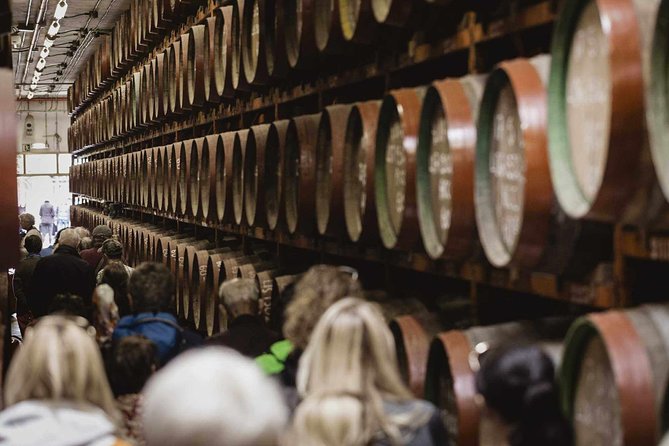
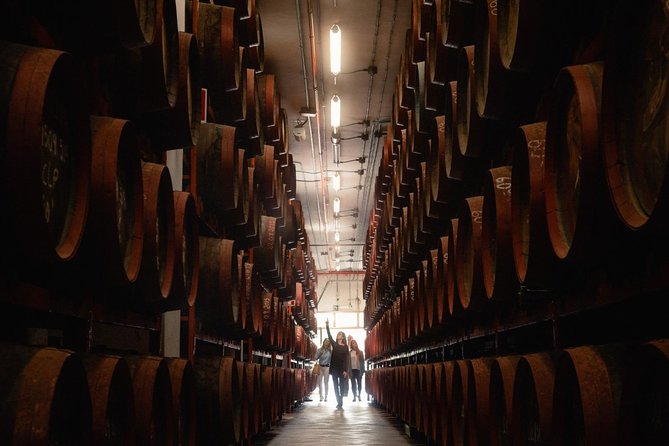
- The ageing cellar experience: one of the oldest rum cellars in Europe, with 4,308 American oak casks
- Rum production, explained step-by-step, including mill, fermentation, and distillation rooms
- Tasting built into the tour, not added on awkwardly at the end
- Real buying at the facility, so you can turn what you learn into a bottle you’ll actually enjoy
- Language options (Spanish, English, German) with a live guide
Your 1-hour plan at Ron Arehucas in Arucas
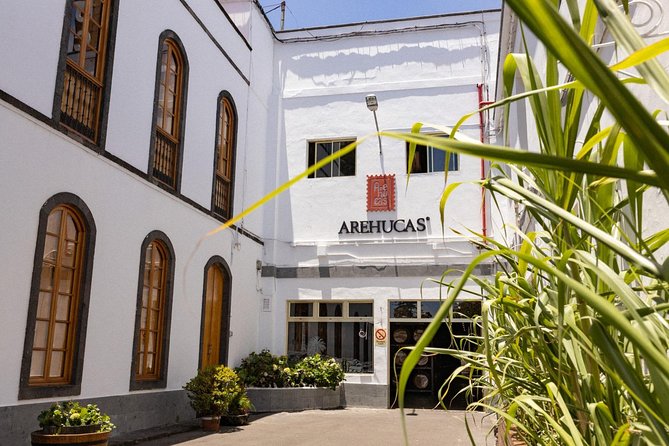
This tour is designed as a compact “see it, learn it, taste it, buy it” experience. You meet at Ron Arehucas Distillery, C/ Era de San Pedro, 2, 35400 Arucas, and you should arrive a few minutes early so you don’t feel flustered when the group lines up.
Because there’s no pick-up service, it works best if you’re already in Arucas or you can get there by taxi or your own transport. The upside of that: you’re not stuck waiting around for a hotel van schedule. The downside: you’ll want to be sure your transportation plan actually gets you there on time for the start.
You’re also going to want to treat this like a tasting plus a walk. It’s not a huge hike, but you’ll move through multiple rooms—so comfortable shoes make sense. And since smoking isn’t allowed and pets aren’t allowed (assistance dogs are allowed), you’ll keep things tidy and quiet around you.
You can also read our reviews of more tours and experiences in Gran Canaria.

The 5 stages you’ll walk through (and why each one matters)
The tour runs in five stages. That structure is helpful because it mirrors the rum process: origin and brand context first, then ageing and production, then bottling and tasting.
Stage 1: Introduction and the origin of Arehucas
You start with an introduction on the origin of Arehucas. This is where the guide sets expectations and explains why you’re there—rum in the Canary Islands isn’t just “a drink story,” it’s tied to how local expertise and traditions formed.
Why I like this opener: it gives you a mental map. When you later hear about fermentation, distillation, and the cellar, you’re not doing mental translation—you’re following an actual story.
Stage 2: The rum ageing cellar
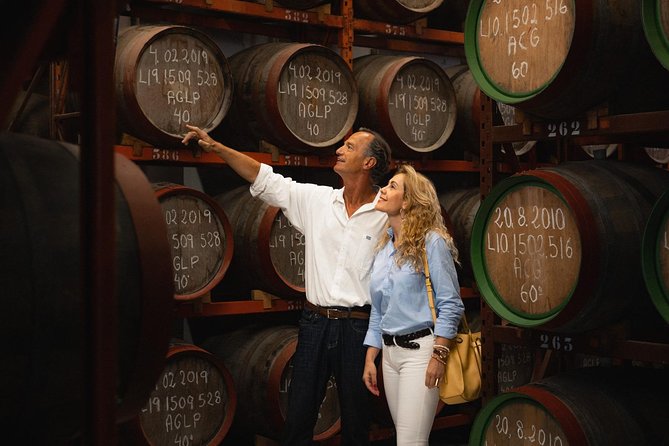
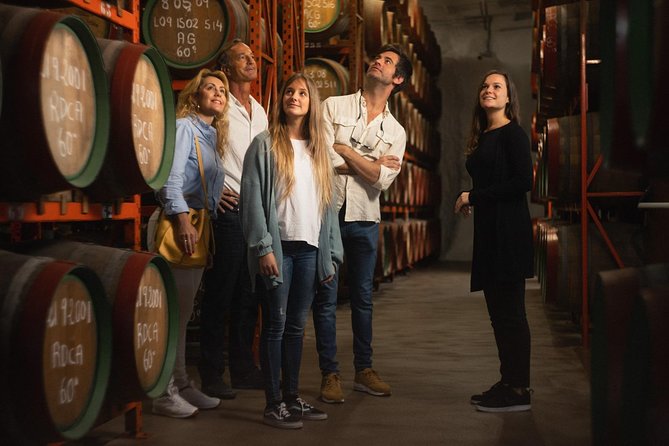
Next comes the highlight for many people: the rum ageing cellar. The tour specifically points out that it’s one of the oldest rum cellars in Europe and that it contains 4,308 American oak casks.
Even if you don’t care about “oak science,” this stop gives context. Ageing isn’t a vague concept here—you can see that the entire flavor profile is built over time, and the number of casks signals scale. It also makes the tasting at the end feel more meaningful, because you’ve seen where patience happens.
One practical consideration: cellars can be cooler and dimmer than the rest of the distillery areas. If you’re the type who likes good photos, bring your phone battery and keep your expectations realistic for indoor lighting.
Stage 3: Production rooms—mill, fermentation, distillation
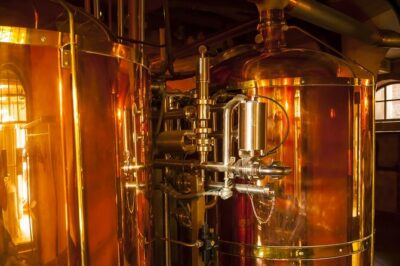
After ageing, you move into the production side: the guide explains the rum production process, including visits to the mill, fermentation, and distillation rooms.
This is where the tour stays practical. Instead of only talking brand marketing, you learn how ingredients and processes translate into what ends up in the glass. If you’ve ever wondered why rum styles taste different, this is the section that starts making it make sense.
The main drawback here is also a function of the short time limit. You’ll get clear explanations, but you won’t have time for lab-level detail. If you want to ask very specific technical questions, do it during the guide’s openings rather than waiting until the end.
Stage 4: Bottling plant
Then you’ll see the bottling plant. This stage helps connect the romance of ageing with the reality of getting liquid into bottles consistently.
Why it matters: it shows that good rum isn’t only about waiting in barrels. It’s also about handling and finishing steps that affect quality and consistency.
Stage 5: The tasting—rums and liqueurs
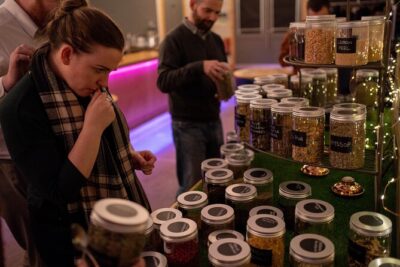
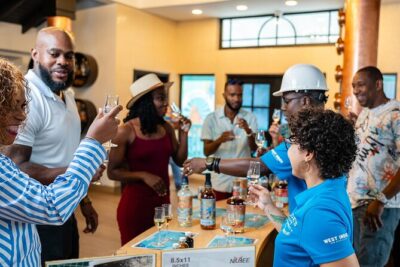
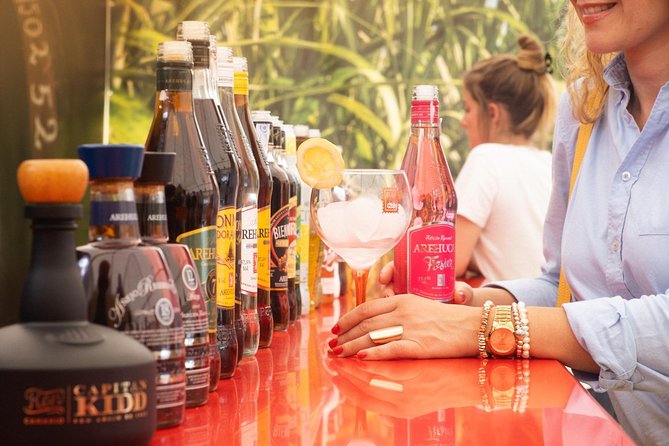
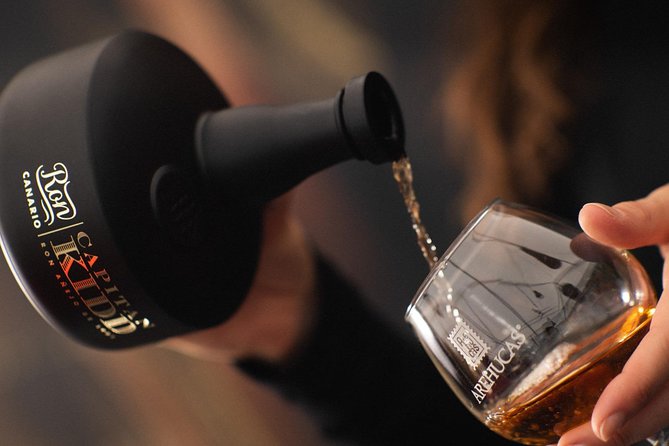
Finally, the tour ends with rum & liquor tasting. You’ll get a chance to taste a wide variety of rums and liqueurs, and this is where you can compare what you learned with what you taste.
If you want the most out of this part, take a second before each sip and ask yourself: is it sweeter, more aromatic, more oaky, more spirit-forward? Even with a short tasting, you can start building your own preferences fast.
Tasting rums and liqueurs: how to make it fun, not confusing
The tasting is included, so you’re not doing the classic “pay for the tour, then find out tasting costs extra” surprise. That makes the $12 price easier to stomach, because you’re getting a guided tour plus samples.
For your palate, keep it simple. You don’t need technical tasting vocabulary. Focus on three things: sweetness level, how strong the rum tastes, and how much wood or spice shows up. As you go, your earlier cellar visit will act like a reference point.
Also, the tasting tends to work best when you allow yourself to be curious. Some people go in expecting every rum to taste the same. This kind of range is the point—it’s a guided way to learn that rum is a family, not one flavor.
One practical tip: if you’re planning to drive after, follow your own judgment. You’ll be tasting alcohol, and even small pours add up for safety. If you’re using public transport or you have a ride lined up, you’ll feel calmer during the tasting.
Where the value really comes from: $12 for a full production story
Let’s talk money. At $12 per person, you’re paying for a 60-minute guided tour plus rum and liquor tasting. In many destinations, those pieces are separated: tour alone is one price, tasting is another, and you can easily end up spending double if you add extras.
Here, the value is in the structure. You get a guided walk through history and process, then you taste the output. That’s why the price feels fair: you’re not just paying for access, you’re paying for interpretation—someone explains what you’re seeing and then lets you sample the results.
You’re also offered the chance to buy original products at the end of the visit. That matters because it turns your time into something you can take home immediately—especially if you find a bottle you genuinely like during the tasting.
Buying bottles at Arehucas: souvenir logic that actually works
The tour ends with shopping at the distillery store. This is one of those travel moments where it’s easy to overspend—so I like having a guide-led tasting first. It means you can buy with confidence instead of buying based on label design.
If you’re unsure what to choose, treat the tasting as your shopping shortlist. Pick one bottle that matches what you enjoyed most, and consider a second option only if you can name the flavor difference you’re going for.
A smart approach: buy one you’ll open soon and one you’ll save. Rum can work like wine that way—you might not want to polish off everything immediately, and having a “future bottle” makes the purchase feel less like impulse.
Who this tour suits best (and who might want something else)
This guided tour is a great fit if you want:
- A short, organized distillery visit with a clear timeline
- Step-by-step explanations of rum production and ageing
- Included tasting of multiple styles of rum and liqueurs
- A place where you can learn first, then buy thoughtfully
It may be less ideal if you’re:
- Looking for a very long, slow-paced experience (you only get an hour)
- Hoping for deep technical lab details beyond what fits in a group tour
- Traveling with expectations of a hands-on workshop (this is a guided visit plus tasting)
If you’re visiting the Canary Islands and want one focused activity that feels local and specific, this is the kind of stop that gives you context fast.
Should you book the Ron Arehucas Distillery tour?
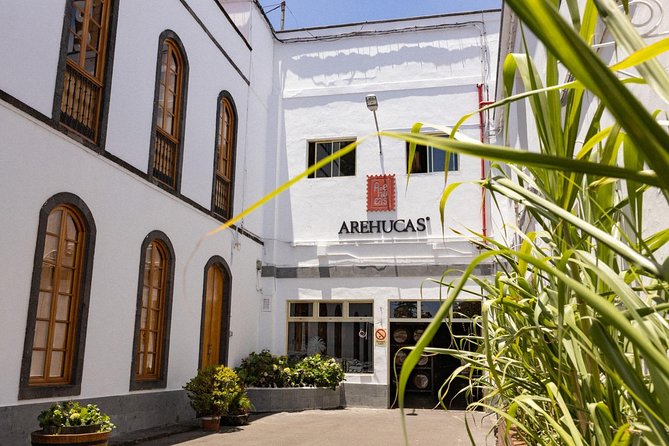
Yes, if you want a high-value one-hour activity that mixes history, production, and a real tasting. The biggest selling point is the combination: you see the ageing cellar with 4,308 American-oak casks, you learn how rum is made across multiple rooms, and you finish with samples of rums and liqueurs.
Book it particularly if you like the idea of buying a bottle after you’ve tasted it. I’d also say it’s a solid choice for groups in mixed language situations, since the guide can run in Spanish, English, or German.
If you’re the kind of traveler who hates time limits, or you want a purely museum-style stroll with no alcohol portion, you might prefer a longer format elsewhere. But for most people who want an efficient, fun, informative distillery stop, this one makes a lot of sense.
FAQ
How long is the Ron Arehucas guided tour?
The tour lasts 1 hour.
How much does the tour cost?
The price is $12 per person.
What’s included in the tour price?
It includes a guided tour and rum & liquor tasting.
What languages are available for the live guide?
The live tour guide offers Spanish, English, and German.
Where do I meet for the tour?
Meeting point is at Ron Arehucas Distillery, C/ Era de San Pedro, 2, 35400, Arucas.
Is pick-up service included?
No, pick up service is not included.
Can I cancel, and do I need to pay upfront?
You can cancel up to 24 hours in advance for a full refund, and you can reserve now & pay later.