REVIEW · EDINBURGH
From Edinburgh: Speyside Whisky Trail 3-Day Group Tour
Book on GetYourGuide →Operated by Rabbie's Small Group Tours · Bookable on GetYourGuide
A whisky trip with real room to breathe. This Speyside trail runs out of Edinburgh in a 16-seat mini-coach and keeps the focus tight on distilleries and tastings without the stress of driving yourself.
I love the way it mixes landmark whisky sites with stories you’ll remember. You’ll get hands-on moments at Glenlivet and a spotlight on Helen Cumming at Cardhu, including its link to Johnnie Walker blends.
With five whisky stops packed into three days, the pacing can feel repetitive if you crave constant change.
In This Review
- Key things I’d watch for on this Speyside Whisky Trail
- Why this Speyside Whisky Trail from Edinburgh works better than DIY
- Day 1: Lindores Abbey, Braemar, Whisky Castle, then into Cairngorms country
- Day 2 in Speyside: Glenlivet’s process-room tastings, barrel-making at the cooperage, then Cardhu
- Day 3: Dalwhinnie whisky-and-chocolate, then Pitlochry, Hermitage waterfall, Dunkeld, and South Queensferry
- The distilleries and producers: what you’ll learn at each stop
- Money and value: what $721 includes (and what it doesn’t)
- Where you sleep: Grantown-on-Spey B&B comfort and the small practical issues
- Getting the most out of the tastings (without turning it into a blur)
- Tour logistics that actually matter: group size, luggage, and pace
- Who should book this Speyside Whisky Trail, and who should skip it
- Should you book? My practical verdict
- FAQ
- What distillery and whisky sites are included in the tour?
- How long is the tour and when do you return on the last day?
- How big is the group, and how do you travel between stops?
- What accommodation is included, and is breakfast provided?
- Are lunch and dinner included?
- What luggage can I bring on the tour?
- Is the tour suitable for children?
- Is there free cancellation?
Key things I’d watch for on this Speyside Whisky Trail
- Small-group, Mercedes comfort: limited to 16 people, using a top-of-the-range 16-seat vehicle.
- Heritage plus modern production: Lindores Abbey sits on a site first recorded in 1494, yet the distillery is modern.
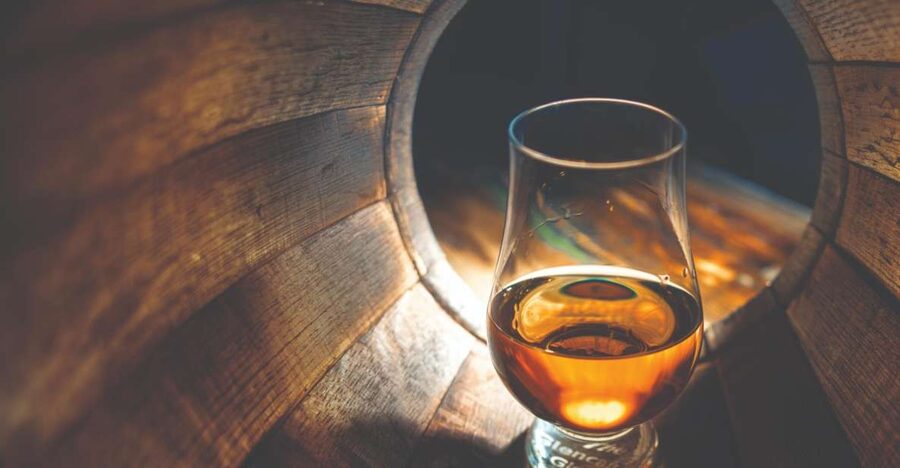
- Tasting structure that teaches your palate: Glenlivet includes a process-room visit and three drams, plus on-site-only editions.
- Barrels get attention: the Speyside Cooperage shows how casks shape the final character.
- Day 3 adds variety beyond whisky: Pitlochry, the Douglas-fir Hermitage walk with waterfall, Dunkeld, then South Queensferry bridges back to Edinburgh.
Why this Speyside Whisky Trail from Edinburgh works better than DIY
If you’ve ever planned a whisky trip and quickly got stuck in logistics hell, this tour is the antidote. You’re based in one area for two nights, and the route is built so you’re not racing between far-flung distilleries.
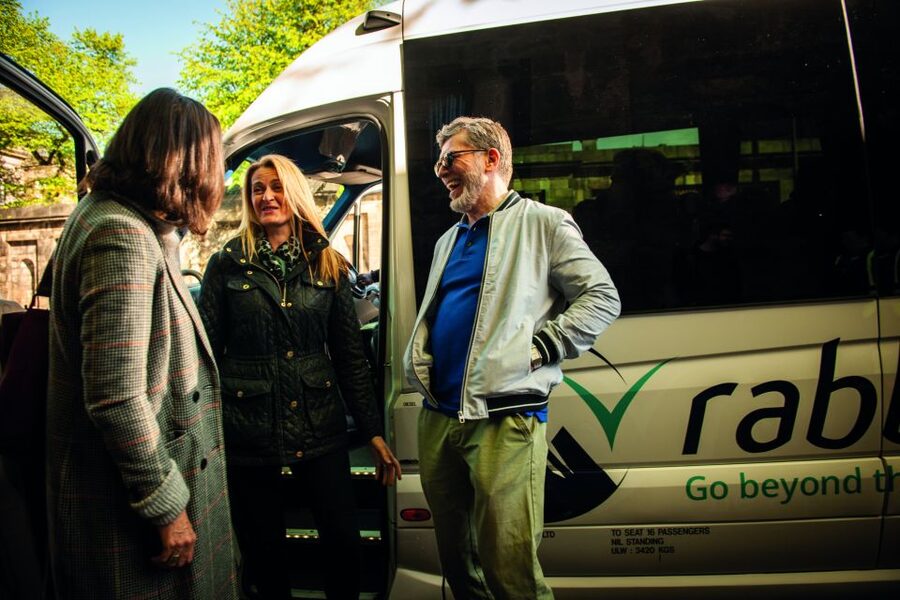
I also like the small-group setup. With a group capped at 16 and a 16-seat Mercedes mini-coach, you get that sweet spot: close enough for questions, big enough to stay comfortable. You can focus on the sights and the drams, not parking, navigation, or timing your own entrances.
The best part is how the day structure keeps whisky from becoming one long repeat. You start with Lindores Abbey’s unusual backstory, then you move into Glenlivet’s early-legal-distillery reputation, later you see how barrels get made at the cooperage, and you end with Dalwhinnie’s whisky-and-chocolate pairing. That mix helps your brain connect the dots.
You can also read our reviews of more tours and experiences in Edinburgh.

Day 1: Lindores Abbey, Braemar, Whisky Castle, then into Cairngorms country
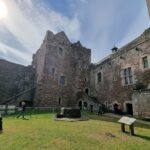
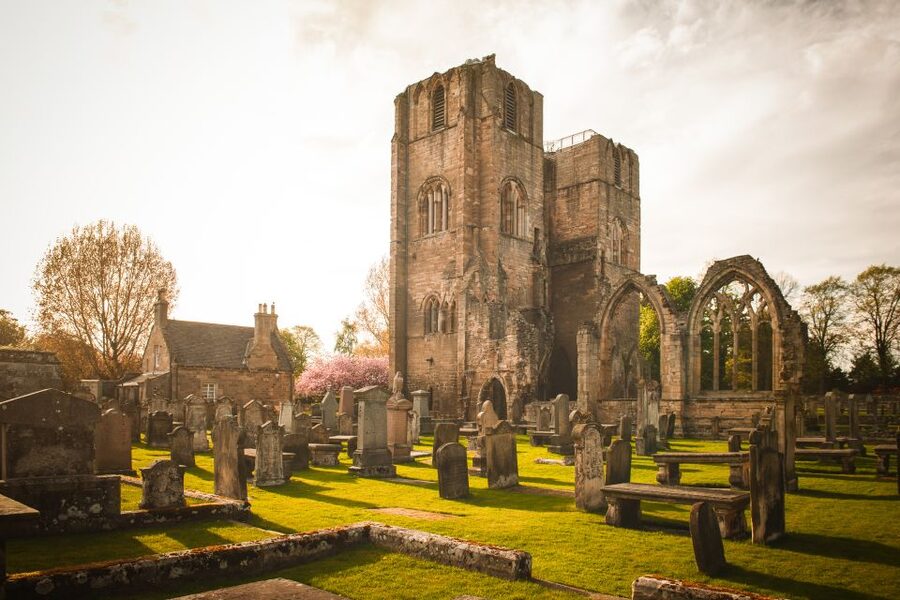
Day 1 is all about getting oriented with Scotland’s whisky roots while enjoying a proper drive north. You head through the Kingdom of Fife, then stop at Lindores Abbey, a modern distillery built on a site tied to the first-ever recorded distiller in Scotland in 1494. It’s a good opener because it frames whisky as both history and process, including sustainability practices.
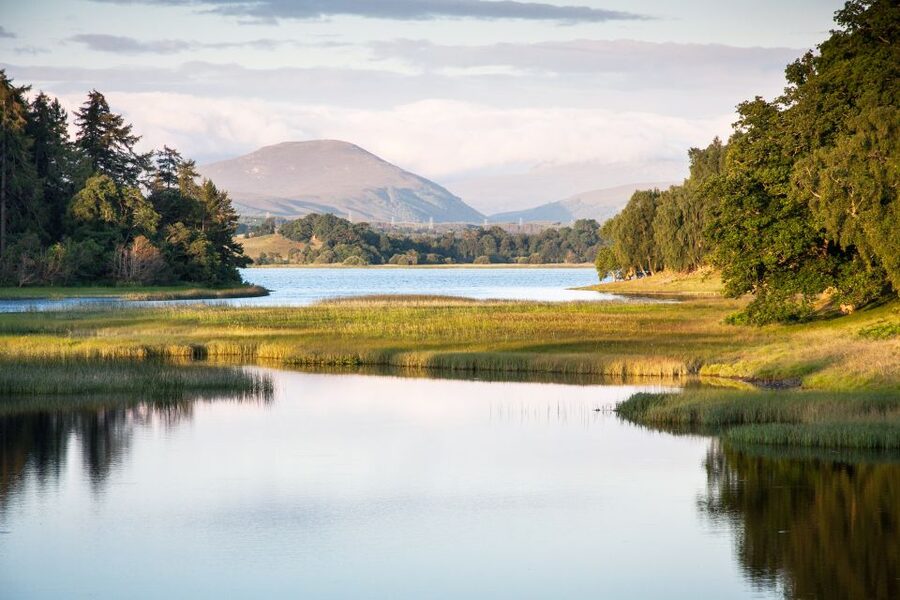
Next comes a scenic push into Cairngorms National Park. You’ll get camera time during the route, and the tour includes a stop in Braemar with time for lunch and a bit of exploring. This is one of those practical breaks that keeps the day from turning into constant bus time.
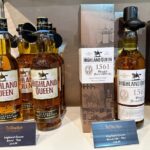
After that, you go to the Whisky Castle emporium. Here, the tour gives you a chance to try three Speyside whiskies so you can start noticing what that region tastes like. It’s not just sampling for sampling’s sake; it’s a palate primer for the distillery days ahead.
You then continue through the park before reaching Grantown-on-Spey, where you’ll stay for two nights. This matters because it lowers friction: you’re not changing towns every day. You get a base, you settle in, and you can actually enjoy the next morning.
Day 2 in Speyside: Glenlivet’s process-room tastings, barrel-making at the cooperage, then Cardhu
Day 2 is the Speyside-focused centerpiece. You’ll leave Grantown-on-Spey and start at Glenlivet, known for being the first legal distillery in the remote and rugged Glen of the Livet. That origin story is a big deal because it explains why Glenlivet’s style became so influential.
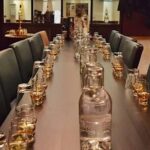
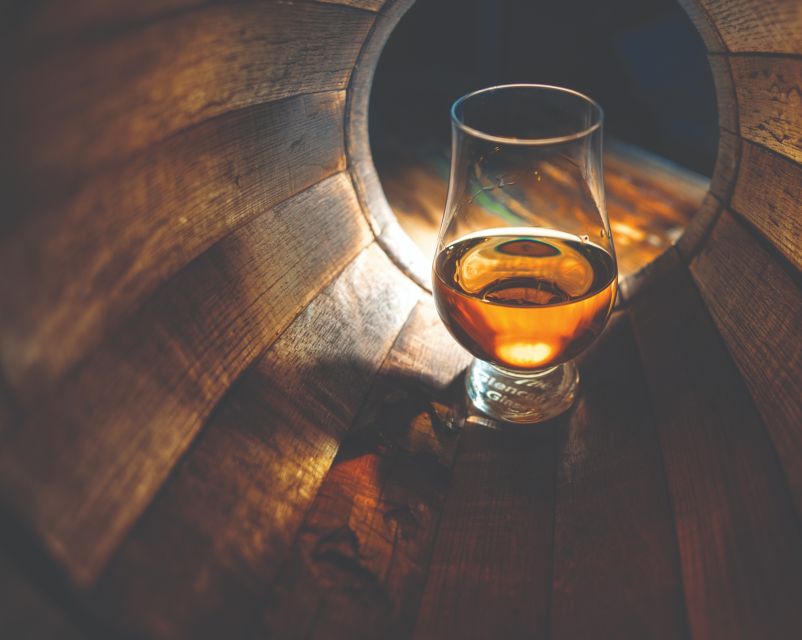
At the distillery, you’ll enjoy an in-depth process-room experience and sample three drams, including exclusive editions available only on site. I like this setup because it teaches you faster than a basic tasting. Three drams in a guided framework helps you start describing what you like—smoothness, florals, and the kind of flavor direction you want—before you spend real money.
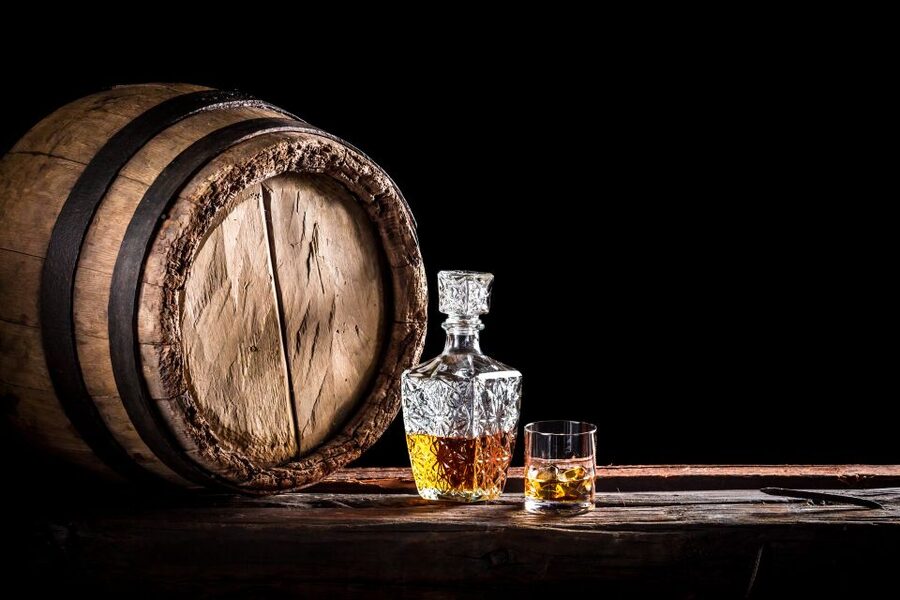
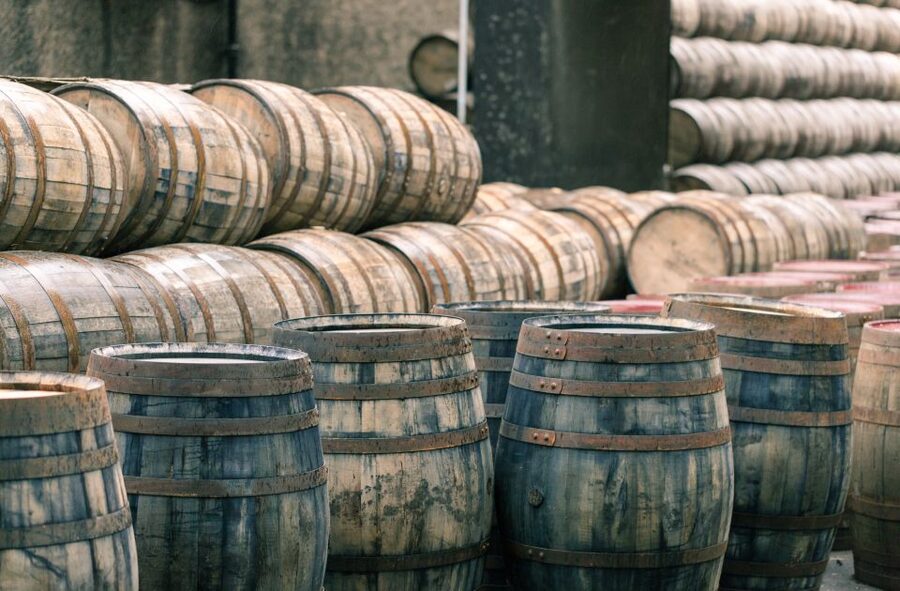
From there, you head to Aberlour for lunch, then follow the Spey River to the Speyside Cooperage. If you’ve ever wondered how whisky ends up tasting the way it does, casks are your missing link. This cooperage is one of the last Scottish barrel-makers still using traditional and modern methods, so you’ll get a behind-the-scenes view of what goes into the final flavor.
Finally, you close the day at Cardhu, where the story centers on Helen Cumming. The tour connects her to Cardhu’s success and why it became key in blends such as Johnnie Walker. This is a smart ending because it shifts you from single-distillery tasting to the bigger blending world.
After a full day of sites and samples, you return to Grantown-on-Spey for the second night. By now, you’ll have a clearer idea of what you want more of.
Day 3: Dalwhinnie whisky-and-chocolate, then Pitlochry, Hermitage waterfall, Dunkeld, and South Queensferry
Day 3 starts with a different kind of tasting: Dalwhinnie in the heart of Cairngorms National Park, paired with chocolate for a dedicated whisky-and-chocolate session. If you think whisky needs to be taken seriously only in a glass, this part is a fun reminder that flavors can work together in simple, enjoyable ways.
Then you transition out of the Highlands and head toward Perthshire. You stop in Pitlochry, where you get time to explore shops, restaurants, and cafés, plus space to have lunch. I find a town break like this useful because it stops the trip from becoming a nonstop tasting marathon.
Next is the Hermitage, a walk among towering Douglas firs with a roaring waterfall. This is one of the best “legs-on-the-ground” moments, and it’s also a mental reset after distillery schedules. You’ll get a scenic stretch without needing to be a hiking expert.
You continue to Dunkeld for time in the village, then finish the day traveling back toward Edinburgh. The route crosses the Firth of Forth, with a chance to take in the South Queensferry bridges before you head back into Edinburgh.
The tour return timing is set to land around 18:30 on Day 3, so you’re not stranded late. It’s also a nice way to end: you get one last big sight, then back to your own evening plans.
The distilleries and producers: what you’ll learn at each stop
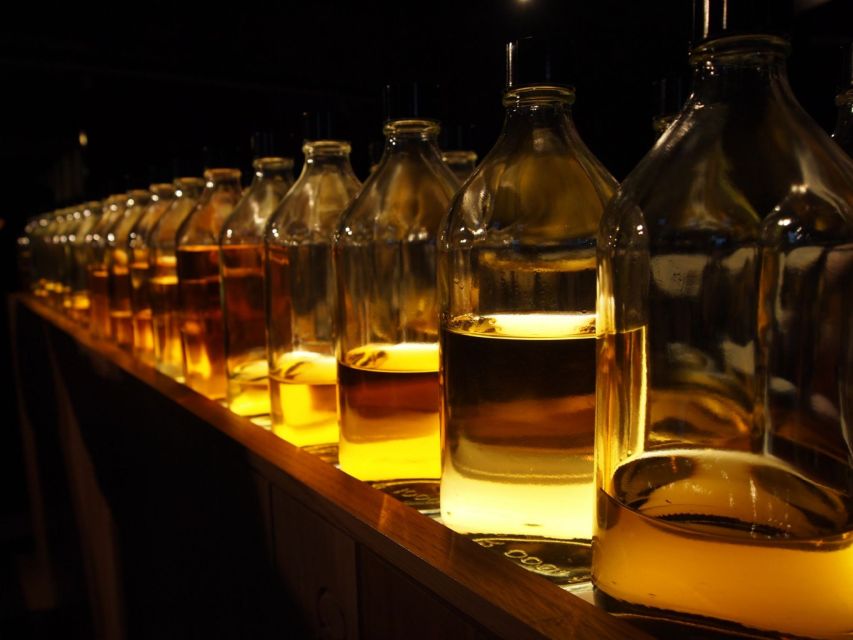
This tour isn’t just about drinking in scenic places. Each site adds a different piece to the whisky puzzle.
Lindores Abbey gives you the history-meets-modern angle. The big talking point is its connection to a distilling site recorded as early as 1494, plus the modern approach and sustainable practices. It’s a strong start because it explains how whisky’s story survived long enough to modernize.
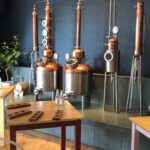
Glenlivet is your flavor anchor. You learn the context of being the first legal distillery in its glen, then you get a process-room look at how Glenlivet’s smooth, floral character comes to be. The three-dram tasting with on-site-only editions is the kind of detail that makes people leave with a better sense of what they like.
Speyside Cooperage adds the production mechanics. Barrels aren’t background. They’re a major flavor input, and this stop highlights how traditional and modern methods can live side by side in Scottish whisky making.
Cardhu adds the human story behind blending influence. Helen Cumming’s role makes the distillery feel less like a stop on a map and more like a chapter in the wider whisky industry. When you connect that to how Cardhu became key in blends like Johnnie Walker, you start thinking like a whisky market, not just a consumer.
Dalwhinnie finishes with a pairing lesson. The whisky-and-chocolate tasting reminds you that your palette is a tool you can train, not just a mood you wait on. It also adds variety to the schedule so Day 3 doesn’t feel like a copy of the earlier days.


Money and value: what $721 includes (and what it doesn’t)
At $721 per person for a 3-day tour, this is not a cheap weekend. The value is in what you’re getting bundled together.
Included in the price is transportation (a 16-seat minibus/coach), a tour guide, entry to multiple whisky sites (Lindores Abbey, Glenlivet, Cardhu, Speyside Cooperage, and Dalwhinnie), and 2-night accommodation with breakfast. You’re also paying for time saved. Instead of coordinating five separate stops, you’re handed a schedule with the driving done for you.
What’s not included is lunch and dinner, plus refreshments. That means you’ll still want to budget for meals and any drinks you pick up during the day.
To me, the strongest value signal is that accommodation is included, and it’s en suite. That turns the trip from a day-tour binge into a true multi-day experience. You can enjoy the evenings in Grantown-on-Spey without needing to drive back after tastings.
Where you sleep: Grantown-on-Spey B&B comfort and the small practical issues
You’ll stay in small, locally owned guesthouses and B&Bs, and all rooms are en suite. Breakfast is included, which helps you start the next day without hunting for food.
One practical note: B&Bs are often on the outskirts of towns. That usually means a 20–30 minute walk to restaurants and pubs. If you like being able to stroll out for a late bite, plan for that walking time, especially on a day when you’ve already done a lot.
If you have trouble with stairs, flag it early. These properties typically don’t have lifts, and your room may involve stairs. That’s not a dealbreaker for most people, but it’s worth thinking about before you pack.
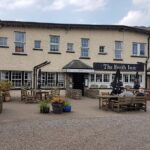
Some departures have stayed at places like Rossmor and Ardconnel House in Grantown-on-Spey, based on past guests. Even if your room ends up in a different B&B, the overall style is the same: small, local, and close to the action once you settle in.
Getting the most out of the tastings (without turning it into a blur)
You’ll do several tastings across three days, so pacing is your friend. I’d treat each tasting like a mini mission: pick one thing to notice, then move on.
At Glenlivet, focus on what changes as you compare the three drams. Since you’ll also try on-site-only editions, you’ll get a clearer sense of what a distillery can do when it’s not mass-distributed.
At Cardhu, listen for the Helen Cumming story and how it connects to blending influence. That context can make the tasting feel less random. When you know why a whisky matters in the blending world, it’s easier to notice character.
At Dalwhinnie, use the chocolate pairing as a palate trainer. Even if you think you don’t like whisky with sweets, the point is learning what flavors bring out what.
Also, plan for the fact that whisky tours often make you want to buy bottles. If that’s your thing, you’ll likely find plenty of chances to pick up what you tasted, especially at places built around whisky retail. If it’s not your thing, you can still enjoy the learning and leave with a good sense of taste.
Tour logistics that actually matter: group size, luggage, and pace
This is designed as a small group experience, capped at 16 participants. You’ll ride in a top-of-the-range 16-seat Mercedes mini-coach, which generally means a smoother day than squeeze-in vans.
There’s also a real luggage rule. You’re restricted to 20 kilograms (44 lbs) per person, in one piece of luggage similar to a carry-on, plus a small onboard personal bag. It’s easiest to travel light so you can move comfortably in and out of stops.
The itinerary is set, and visits and timing can change. Still, the structure is consistent: arrive at distilleries, take the guided tour/entry portion, sample drams, then move on with a scenic break. You’ll still want comfy shoes, because you’ll do walking segments like the Hermitage walk.
If you want the best experience, show up with curiosity and a plan for your pace. This tour works when you treat each stop as a chapter.
Who should book this Speyside Whisky Trail, and who should skip it
I think this tour is a great fit if you want Speyside whisky without the planning grind. It’s also ideal if you like guided context: the history behind distilleries, how cooperages fit in, and why Cardhu’s story links to global blends.
It’s not the right choice if you’re traveling with kids. The tour is not suitable for children under 18.
It may not be ideal if you already know you prefer one or two distillery visits and then want a more varied itinerary. Even though the stops are different, the basic structure repeats: tour, story, tasting. If you’re the type who gets tired of a similar pattern quickly, you’ll want to mentally pace yourself.
Should you book? My practical verdict
If you’re choosing between a self-drive whisky weekend and a guided trail, this one is hard to beat for convenience and learning. The mix of Lindores Abbey, Glenlivet, the Speyside Cooperage, Cardhu, and Dalwhinnie gives you a full whisky education, not just a checklist of brand names.
The price is high, but it’s high because it includes transport, multiple paid entries, and two nights with breakfast. That’s what makes it feel like a real trip rather than a pricey day trip.
If you like whisky, enjoy guided storytelling, and want Cairngorms-area scenery plus a real base in Grantown-on-Spey, this is the kind of tour that earns its cost.
FAQ
What distillery and whisky sites are included in the tour?
The included entries are Lindores Abbey, Glenlivet Distillery, Speyside Cooperage, Cardhu Distillery, and Dalwhinnie Distillery.
How long is the tour and when do you return on the last day?
The tour runs for 3 days, and on Day 3 you return to Edinburgh at approximately 18:30.
How big is the group, and how do you travel between stops?
The tour is limited to 16 participants, and transportation is provided by a top-of-the-range 16-seat Mercedes mini-coach.
What accommodation is included, and is breakfast provided?
You get 2-night accommodation with breakfast. Rooms are en suite, typically in small locally owned guesthouses and B&Bs.
Are lunch and dinner included?
No. Lunch and dinner are not included, and refreshments are also not included.
What luggage can I bring on the tour?
You can bring up to 20 kilograms (44 lbs) of luggage per person, as one main piece similar to an airline carry-on, plus a small bag for personal items.
Is the tour suitable for children?
No. The tour is not suitable for children under 18.
Is there free cancellation?
Yes. You can cancel up to 14 days in advance for a full refund.