REVIEW · SEOUL
Seoul: Soju Tasting at Distillery
Book on GetYourGuide →Operated by environment design lab · Bookable on GetYourGuide
Soju tasting with a real master’s story. In Hongdae, you’ll meet Sam and taste 3 pig soju with strong, old-school context from the Joseon dynasty era. I love the English explanations, and I love that it’s not just shots—it’s a guided look at how Korean rice alcohol fits together. One heads-up: the premium soju you’ll sample is typically 45–50%, so if you usually dislike strong spirits, you may want a lighter makgeolli focus instead.
I also like the location. This experience sits right near Hongik University Station, so you can do it before dinner without doing a travel mission across Seoul. The small group format (up to 10) keeps things interactive, but you’ll need to be on time—if you’re late by more than 20 minutes, you can’t join.
In This Review
- Key things that make this soju tasting worth it
- Hongdae’s Soju Lab: What You’re Really Paying For
- Meet Sam in Mapo-gu: Location and Timing That Matter
- Joseon Soju Roots: The Story Behind the Bottle
- What You’ll Taste: Tak-ju, Cheong-ju, and 45–50% Soju
- 3 Pig Soju: How a Signature Choice Gets You Better Learning
- The Host Factor: Sam’s English, Energy, and What You Might Get After
- Small Group Format: Why Up to 10 People Feels Different
- Price and Value: Is $47 a Good Deal for Soju?
- Who Should Book This Soju Tasting in Seoul
- Should You Book Samhae Soju in Hongdae?
- FAQ
- How long is the soju tasting at Samhae Soju?
- Where do I meet for the tasting in the Hongdae area?
- What’s the exact alcohol strength for the premium soju you taste?
- What alcohol is included in the tasting?
- How small is the group?
- Is the experience only for adults?
- What if I’m late?
Key things that make this soju tasting worth it
- English-led tasting with Sam: you get clear explanations and real back-and-forth, not a silent pour-and-go situation
- Joseon dynasty pedigree: you’ll hear how soju was prized by noble circles and how recipes were passed down
- Legendary 3 pig soju focus: the tasting isn’t random; there’s a point of view and a signature target
- At least 7 samples: the total includes more than one style of Korean rice alcohol, with spirits as the main event
- Hongdae convenience: close to Hongik University, with easy bus/taxi access for the after-tasting meal plan
- Strength you can feel: expect the premium soju to land in the 45–50% range, so pace yourself
Hongdae’s Soju Lab: What You’re Really Paying For
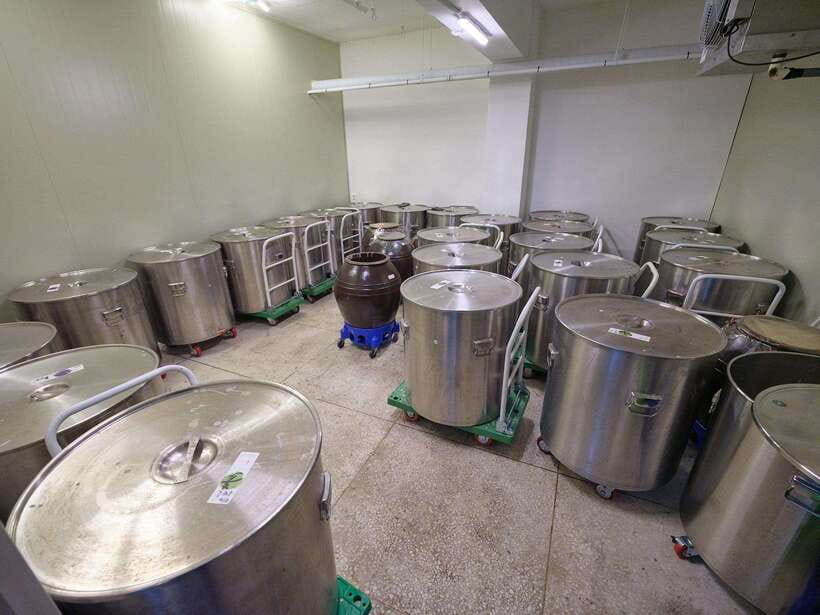
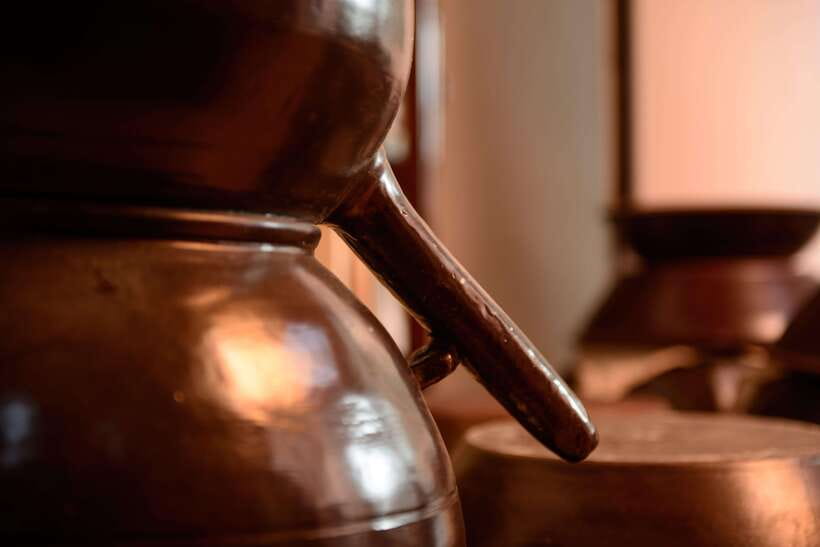
You’re paying for two things here: education and access. You don’t just taste soju from a bottle. You get a guided setting inside a distillery tasting experience where the staff can explain what you’re drinking and why it matters in Korean culture.
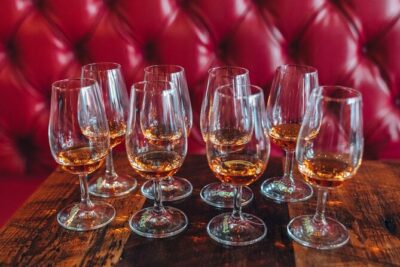
The price—around $47 for about 80 minutes—can sound “spirits-expensive” until you look at the structure. You’ll sample at least 7 different selections, and the tasting mainly centers on distilled rice spirit (soju). On top of that, you may also get a mix of unfiltered rice wine (takju) and/or filtered rice wine (cheongju) depending on availability. That mix usually gives you a quick sensory map: unfiltered is more cloudy and fuller, filtered tends to feel cleaner, and then the distilled soju hits with higher strength and a different bite.
This is the kind of experience that pays off if you like cultural context. If you’re the type who asks why something tastes the way it does—grain, filtering, distilling, aging, strength—this setup is built for you. If you only want alcohol with zero explanation, you might not feel the value as strongly.
You can also read our reviews of more tours and experiences in Seoul.
Meet Sam in Mapo-gu: Location and Timing That Matter
This tasting happens in the Hongdae area (Mapo-gu), close to Hongik University Station. The meeting point is about 1.3 km (a mile) on foot from Exit 1, or roughly a 5-minute bus ride. For Seoul, that’s “easy mode” for getting there.
The bigger logistical point: the exact meeting area is a parking lot next to a shop called Dog&Cat Food House. You’re told not to block the store entrance, and you’re also told not to search that shop name inside maps apps. Translation: follow the provided directions/links and wait in the right spot. If you sit in front of the shop, it can become an issue.
Timing is strict. You can’t join if you arrive more than 20 minutes late, and you should arrive at least 5 minutes early. That’s not meant to be harsh. It’s just how small-group tastings work: once the explanation starts, the schedule needs to stay intact.
Good to know for your evening plan: there’s a Pizza Hut across the street, so even if you feel like you’re done tasting but still hungry, you’re not far from something familiar.
Joseon Soju Roots: The Story Behind the Bottle
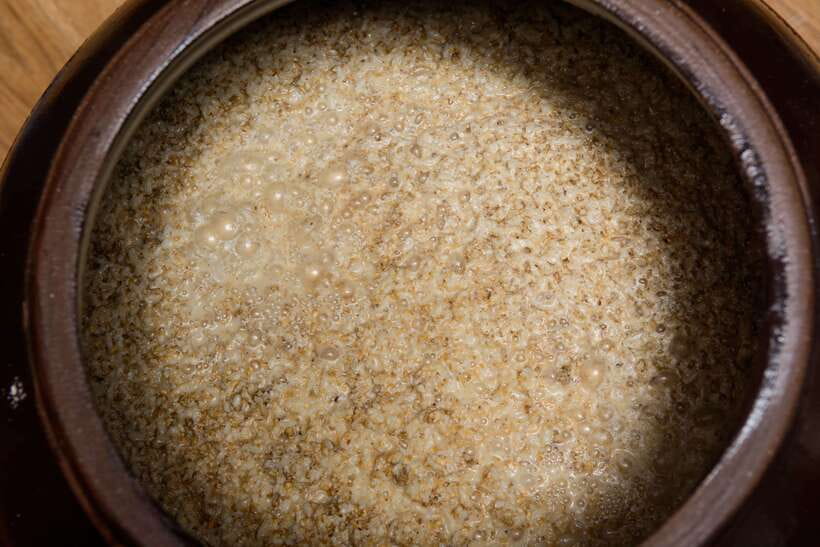
The tasting comes with a strong narrative: soju wasn’t always the ubiquitous green bottle idea people sometimes carry from overseas. The experience explains Korean alcohol in broader categories—tak-ju (unfiltered, like makgeolli), cheong-ju (filtered), and so-ju (spirit). That matters because it changes how you taste. You stop thinking of everything as one drink and start hearing the system behind it.
You’ll also hear that Samhae soju was favored among the noble class during the Joseon dynasty (1392–1894). Even if you don’t memorize dates, the point lands: this spirit wasn’t just a casual nightcap. It was a luxury choice with a reputation.
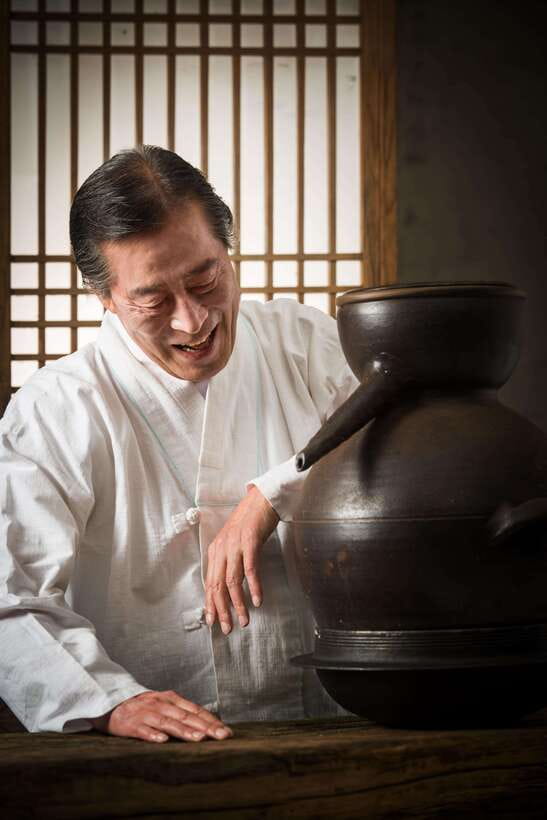
Then the tasting gets personal in a good way. You’ll learn that the current master, Hyeonjong Kim, trained for more than 10 years under master Taeksang Kim, who inherited and kept the recipe within the family. That’s the kind of lineage that makes a tasting feel less like a gimmick and more like a living tradition.
If you like history, this part is your backbone. If you don’t, you’ll still benefit because it explains why the maker’s standards and recipe heritage matter to flavor and technique.
What You’ll Taste: Tak-ju, Cheong-ju, and 45–50% Soju
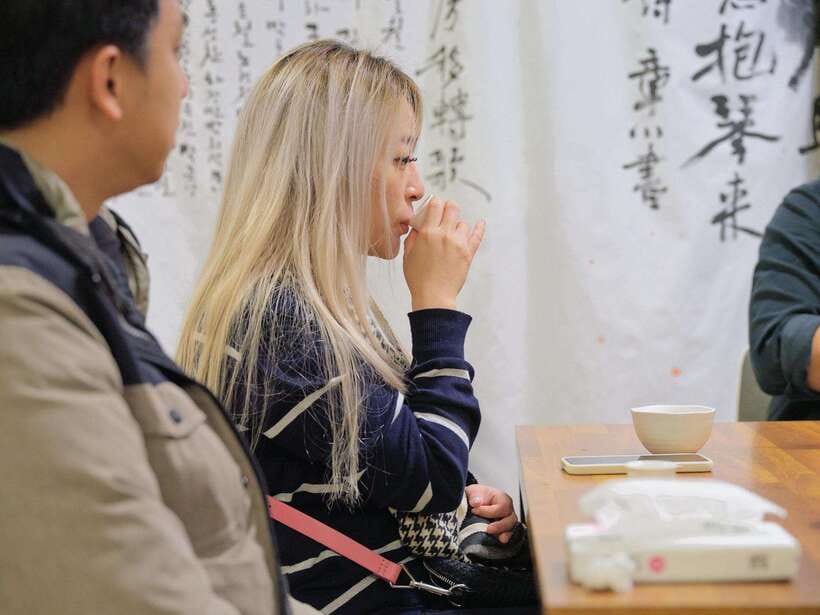
Plan on a tasting that runs through multiple styles. Included are unfiltered rice wine (takju) and/or filtered rice wine (cheongju) depending on availability, plus samples of distilled rice spirit (soju). The exact lineup can change, but the tasting is designed so you get at least 7 samples total, with the spirits as the main focus.
Here’s how I’d think about what you’re drinking, even before you arrive:
- Tak-ju (unfiltered): usually feels more textured and can taste a bit more grain-forward.
- Cheong-ju (filtered): often feels cleaner and more polished on the palate.
- Soju (distilled spirit): comes with the higher strength and a more direct kick. In this experience, the premium soju strength is typically between 45–50%.
The reason this sequence helps is simple: your palate learns faster when you compare styles back-to-back. Instead of remembering each drink as a standalone sip, you’ll feel the differences in body, aroma, and finish.
Also, don’t ignore strength. At 45–50%, even a few tastes can add up quickly. If you normally sip beer slowly, this tasting will feel more intense. I’d go in with a calm pace and a small curiosity mindset, not a “let’s see how much I can drink” approach.
3 Pig Soju: How a Signature Choice Gets You Better Learning
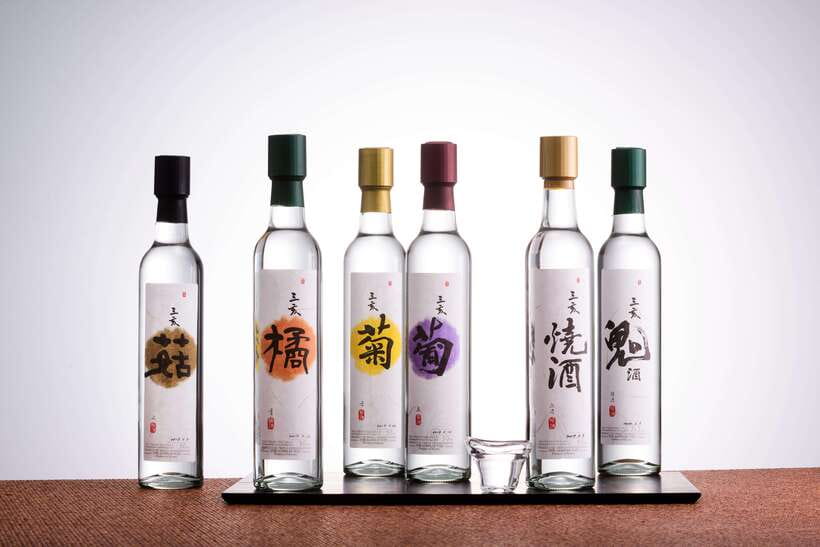
The tasting highlights legendary 3 pig soju. That sounds like a detail you’d hear in a marketing story, but it’s actually a useful anchor. When a tasting has one named signature, it gives the host something concrete to explain: what makes it distinct, how it fits the broader tradition, and how the maker’s standards show up in the glass.
In practice, you’re not just sampling random pours. You’re tasting with a narrative thread. That’s why the 45–50% strength matters here: at that level, any difference in technique and ingredient handling becomes more noticeable. You’ll likely notice sharper alcohol presence compared to lighter drinks, but that also means you can better detect what the explanation points out.
If you usually dislike strong spirits like tequila or whisky, this is where you should be realistic. The tasting itself even flags this situation: if strong liquor isn’t your thing, you might enjoy another Korean alcohol option focused on lighter choices like makgeolli more.
The Host Factor: Sam’s English, Energy, and What You Might Get After
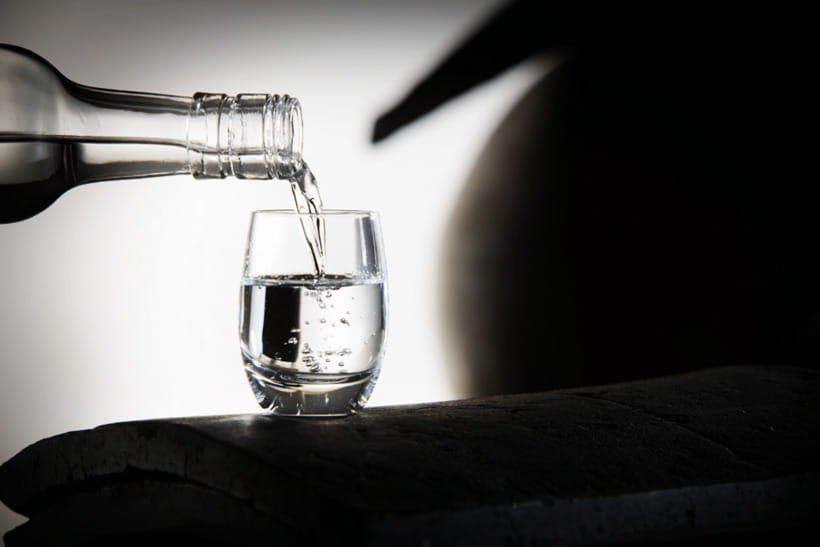
A big reason this experience scores extremely high is the host. Sam speaks fluent English and can connect the tasting to history, technique, and the bigger picture of Korean rice alcohol.
What I find valuable is that he’s not only teaching. He’s also engaging. In the experience, you’re in a small group of up to 10 participants, and the tone is set for conversation. That makes it easier to ask practical questions like how to describe the differences between filtered and unfiltered styles, or what to pay attention to when you taste soju at higher strength.
One extra nice touch: Sam has helped people with restaurant recommendations, and in at least one case even helped with booking after the tasting. You shouldn’t count on that every time, but it’s a good sign for how helpful the host can be once the tasting ends.
Small Group Format: Why Up to 10 People Feels Different
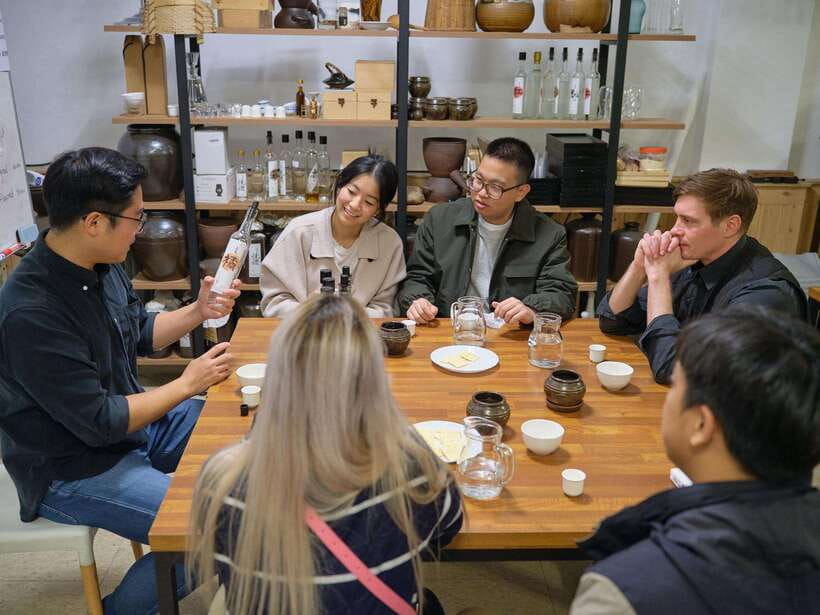
When alcohol tastings are big, you get stuck waiting your turn. Here, the group is limited to 10 participants. That’s a sweet spot. You can hear instructions clearly, you get time to compare notes with the people next to you, and you’re less likely to feel like you’re on a conveyor belt.
Wheelchair accessibility is listed as available too, which helps make this experience easier to plan for mobility needs than many “downstairs in a tiny spot” tastings.
This still stays a working distillery-style experience. You should expect a structured pace and tight timing around tasting moments. So even though it’s friendly, you’ll want to treat it like an activity, not like a casual bar stop where you can stroll in whenever.
Price and Value: Is $47 a Good Deal for Soju?
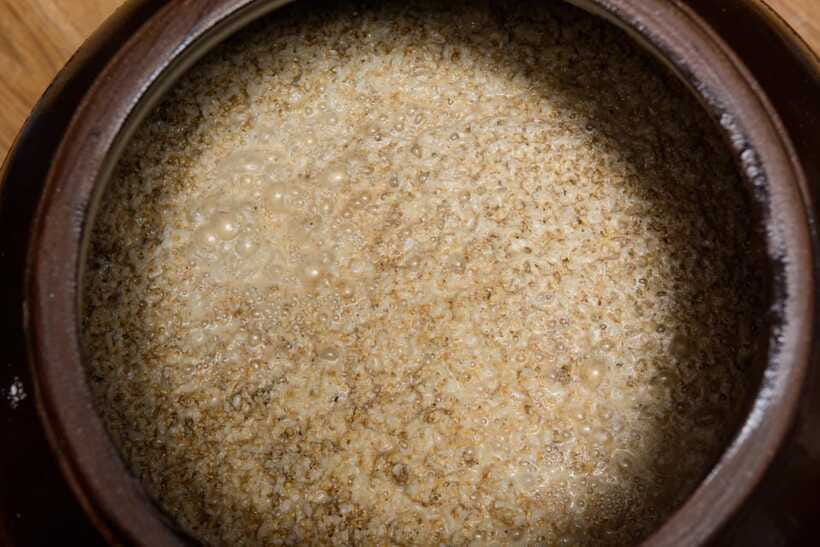
At $47 for about 80 minutes, you’re in the mid-to-higher range for “something to drink.” But the value math is more interesting than it looks.
You get:
- At least 7 samples total
- A focus on distilled soju
- The possibility of tasting takju and/or cheongju
- English explanations that connect the drinks to Korean categories and historical context
- A small-group setting that makes the whole thing feel like a lesson with tastings, not a lecture
If you compare that to a normal bar night, you’d probably pay similar or more for drinks alone—and you’d get less context. Bars are fun. This is different. This gives you a framework you can use later when you order Korean alcohol on your own.
One more value angle: if you’re the type who wants to understand what you’re tasting, this kind of guided tasting speeds up your learning curve. You don’t have to guess which style you like most. You can figure it out in the same evening.
Who Should Book This Soju Tasting in Seoul
This is a strong fit if you:
- want a Hongdae-area cultural activity that doesn’t feel touristy
- enjoy learning about food or drink through real context
- like tasting multiple styles in a short time window
- can handle—or are curious about—strong spirits in the 45–50% range
- prefer English-led guidance over self-guided drinking
It’s not the best fit if you:
- can’t stand strong liquor like tequila or whisky
- want only mild, low-strength alcohol
- need a family-friendly activity (it’s listed as not suitable for children under 18)
- are pregnant (not suitable is stated)
If you fall into the “strong spirits aren’t my thing” group, you’ll likely have more fun choosing a tasting that emphasizes makgeolli (lighter alcohol). The experience itself points that direction.
Should You Book Samhae Soju in Hongdae?
Book it if you want to understand Korean rice alcohol beyond the obvious bottle. The biggest win for me is the pairing of Sam’s English explanations with a structured set of tastings that includes multiple alcohol categories and a signature soju focus.
Skip it if your plan is mostly about relaxed drinking without explanation, or if you already know you dislike high-strength spirits. In that case, you’ll probably feel the burn more than the learning.
If you do book: show up early, arrive at the correct parking meeting spot, and go in ready to taste slowly. The whole experience is built around attention, not speed. Done right, you’ll leave with a real sense of what soju is—and why Koreans have treated it as more than a party shortcut.
FAQ
How long is the soju tasting at Samhae Soju?
The duration is 80 minutes.
Where do I meet for the tasting in the Hongdae area?
You meet in the parking lot next to Dog&Cat Food House. The guidance says to use the map links/address provided, and to wait in the parking lot next to that store rather than sitting in front of it.
What’s the exact alcohol strength for the premium soju you taste?
The tasting notes say the premium soju strength is between 45% and 50%.
What alcohol is included in the tasting?
You’ll receive samples that total at least 7. The tasting may include takju and/or cheongju depending on availability, plus samples of distilled rice spirit (soju). The tasting mainly consists of the spirits.
How small is the group?
It’s listed as a small group limited to 10 participants.
Is the experience only for adults?
Yes. It is listed as not suitable for children under 18, and it is not suitable for pregnant women.
What if I’m late?
You cannot join if you are late more than 20 minutes, and you’re advised to come to the meeting spot at least 5 minutes before the tasting.