REVIEW · SEOUL
Seoul: Soju Tasting at Distillery
Book on GetYourGuide →Operated by environment design lab · Bookable on GetYourGuide
Soju can be serious in Seoul. I love this tasting because Sam guides you in clear English, and you get to taste 45–50% soju right at the distillery; it is not watered-down bar drinking. One thing to consider: this is strong liquor, so if you usually avoid tequila or whisky-strength spirits, you may want a lighter alcohol tasting focused on Makgeolli instead.
You also get more than samples. This is a hands-on education about what Korean drinking actually is, with the traditional categories (Tak-ju, Cheong-ju, So-ju) explained in plain terms as you taste. And yes, it is set right in the city center around Hongdae, so it slots nicely into an evening.
The vibe is part classroom, part social hangout. You learn the process, hear the family connection to Joseon-era soju, and then you taste a range of pours that shows why soju has such a wide personality depending on how it is made.
In This Review
- Quick highlights
- A distillery tasting right in Hongdae
- Meet Sam and the family recipe behind the soju
- What you’ll actually drink: Tak-ju, Cheong-ju, and 45–50% soju
- How the tasting flows in 80 minutes
- The real value: learning technique, not just collecting sips
- Logistics in Hongdae: the triangle parking lot meeting point
- Who this soju tasting suits best (and who should skip it)
- Price and value: why $49 can work for the right person
- Should you book this soju tasting at the distillery?
- FAQ
- How long is the Seoul soju tasting?
- What’s included in the tasting?
- Is the tour offered in English?
- Where do we meet near Hongik University?
- What happens if I am late?
- Is this tour suitable for kids or pregnant people?
- Can I cancel, and is there a pay-later option?
Quick highlights
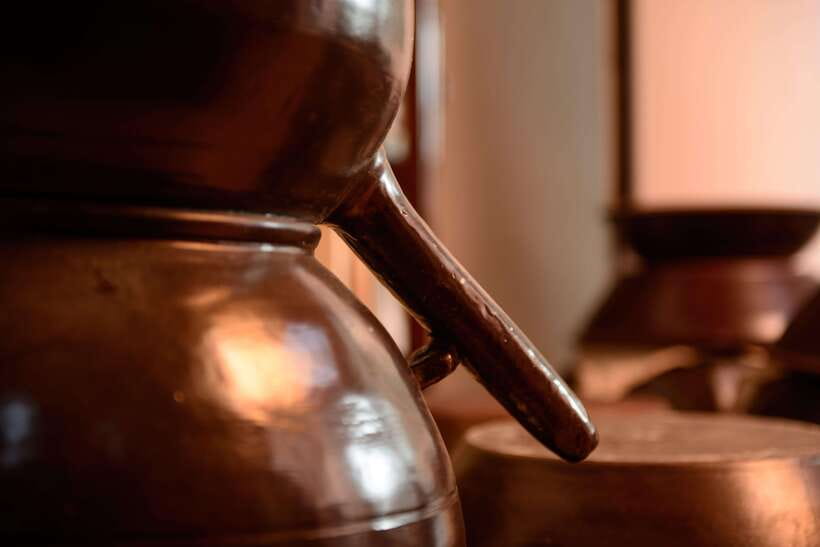
- Meet Sam in fluent English and ask all the questions you want about Korean alcohol culture
- Taste legendary 3 pig soju at the distillery, not just from a bottle at a bar
- Learn Korean categories like Tak-ju (unfiltered), Cheong-ju (filtered), and So-ju (spirit)
- Expect 7+ samples total, mainly spirits, with some wine-like rice pours when available
- Hear the family lineage tied to Joseon-era noble tastes and preserved recipes
- Hongdae location makes it easy to pair with dinner and nightlife after
A distillery tasting right in Hongdae
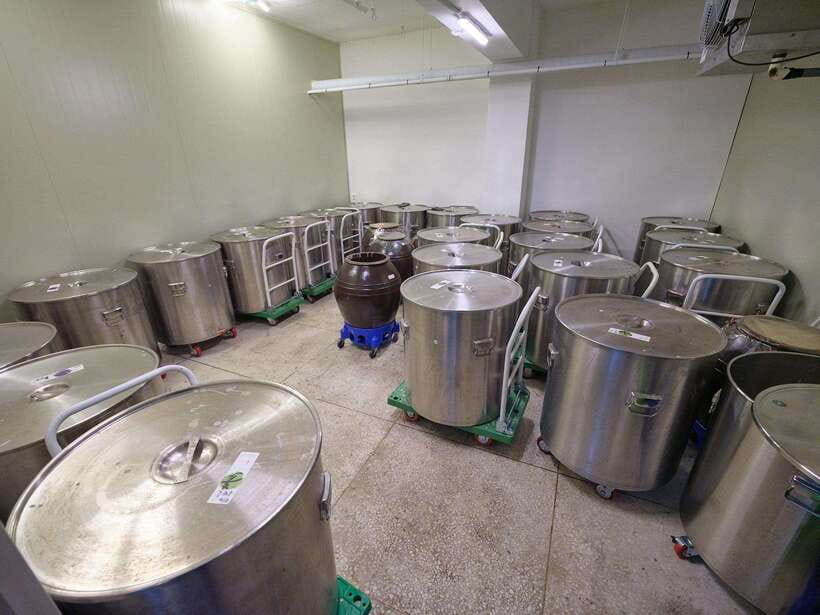
What I like about this experience is the convenience. You do not have to cross town to find a “special” Korean alcohol lesson. The meeting point is about a mile walk (1.3 km) from Hongik University Station Exit 1, and it is also only a short bus ride if you want to conserve energy for later.
The area matters because Seoul nights can run long. If you want a tasting that ends early enough to still eat Korean BBQ or wander nearby streets, this timing fits. Plus, the meeting spot is easy to orient to once you know the landmark: there is a Pizza Hut right across the street.
The tour itself is built around a short, focused 80-minute flow. That is long enough to learn the process and taste multiple pours, but short enough that you do not feel stuck in a full-day commitment.
You can also read our reviews of more tours and experiences in Seoul.
Meet Sam and the family recipe behind the soju
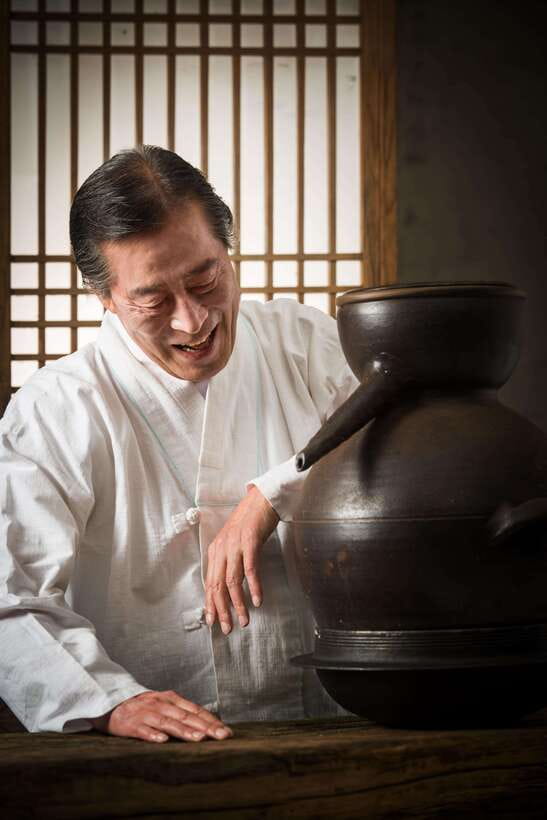
This tasting stands or falls on the guide, and Sam is the reason it works. The big advantage is language. You get an English explanation that stays clear even when the topic gets detailed: how soju is made, what changes from one style to another, and how Korean drinking fits into the bigger picture.
Sam also connects the drink to a family story. You will hear how soju was a beloved spirit for the noble class during the Joseon dynasty (1392–1894), and how today’s “luxury” soju ties back to that prestige. The current master, Hyeonjong Kim, trained for more than 10 years under master Taeksang Kim, who inherited and kept the recipe in the family.
That history is not delivered like a museum lecture. It is tied directly to what you taste, which is how you remember it. When you later compare finished-products side by side, the story makes the differences feel real instead of theoretical.
What you’ll actually drink: Tak-ju, Cheong-ju, and 45–50% soju
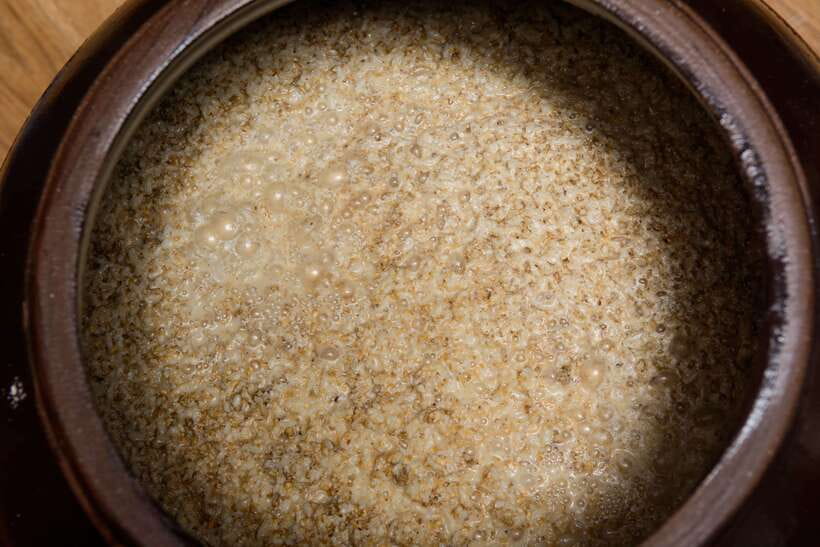
Let’s talk about the drinks, because the tasting is designed for contrast. You will sample Korean rice alcohol types in a way that helps you notice texture and strength, not just guess what you like.
First, the tour includes rice wine options:
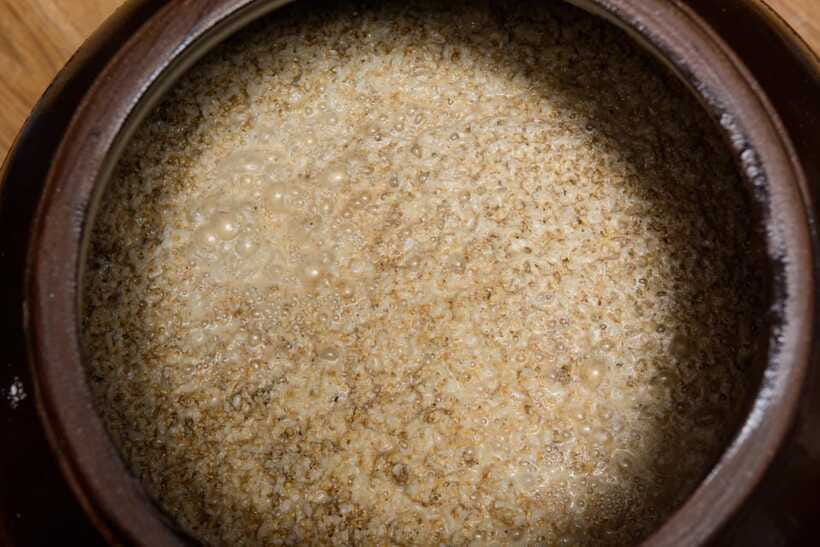
- Tak-ju (unfiltered rice wine) and/or Cheong-ju (filtered rice wine), depending on what is available
Those pours are part of the logic of the tasting. They help you understand the “base” world rice alcohol comes from, before the tasting shifts toward distilled spirit.
Then comes the center of the event: soju. Your premium soju is described as being 45–50% strength, and that is not a minor detail. This is why the tasting works for people who enjoy bold spirits and want to learn how method affects flavor. It is also why the tour is not ideal if you normally avoid high-proof drinks like tequila and whisky.
One more useful detail: you are not just tasting soju in isolation. You also get context by comparing with other styles such as sake and Makgeolli. If you have only ever met soju as a green bottle, this is the moment where the drink stops being a stereotype and becomes a category with real variation.
How the tasting flows in 80 minutes
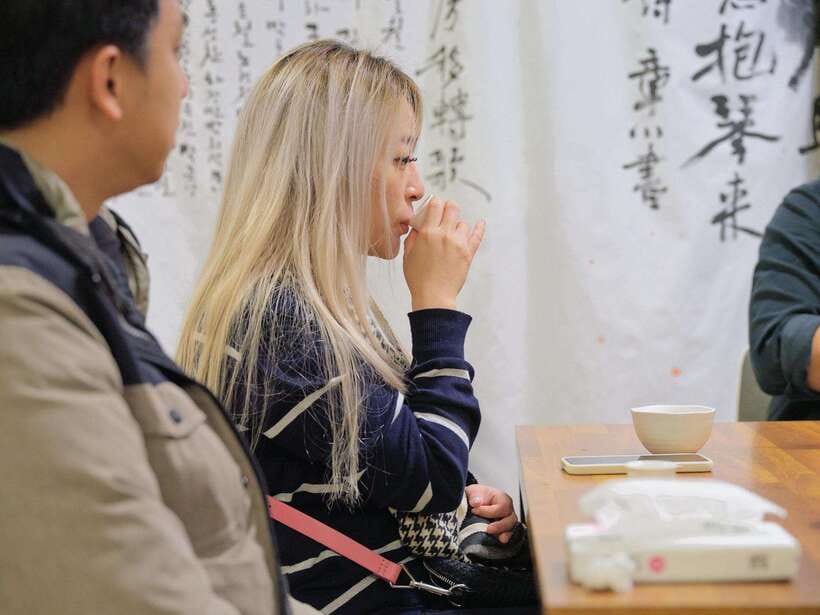
You should expect a structured arc: story and process first, then practical tasting comparisons.
A common pattern is that you start with context about making soju, including early-stage samples and then finished products. Some groups get two samples from earlier steps and about six samples from finished products, which adds up to roughly seven different pours. The exact mix can vary, but the key promise stays consistent: you will receive at least 7 samples, and the tasting will mainly consist of the spirits (soju).
You are also likely to notice that you are sampling more than one “style lane.” The event is designed to show how different brewing and production methods can lead to different tasting impressions. The guide explains what you are tasting and what makes one sample different from the next, so you can build a mental comparison instead of just sipping randomly.
At the end, you are not left with empty hands. Many people leave wanting to buy a bottle, which makes sense when you have compared multiple strengths and methods within one guided session. If you care about taking something home, this is one of the best ways to choose, because you are selecting based on lived comparison instead of guessing from a shelf label.
The real value: learning technique, not just collecting sips
At $49 per person for about 80 minutes, the value depends on what you want from your night. If you just want alcohol, a bar might be cheaper. But if you want a focused introduction with a real explanation attached, this is the better trade.
Here is why it feels fair:
- You get multiple samples, with a tasting count aimed at at least 7 pours
- You get English guidance that turns the process into something you can understand and remember
- You get distillery access where the story is connected to the product, not separated from it
- You learn how Korean rice alcohol is categorized (Tak-ju vs Cheong-ju vs soju), which makes your next shopping or ordering decisions easier
The guide also adds practical context. In multiple cases, Sam shares recommendations for bars and restaurants in the area. That is small, but it matters, because it helps you convert the tasting into an evening plan instead of ending with only memories.
There is also a social upside. The group dynamic tends to be international, and that makes the questions more fun. If you enjoy meeting people while learning, this tasting hits that balance.
Logistics in Hongdae: the triangle parking lot meeting point
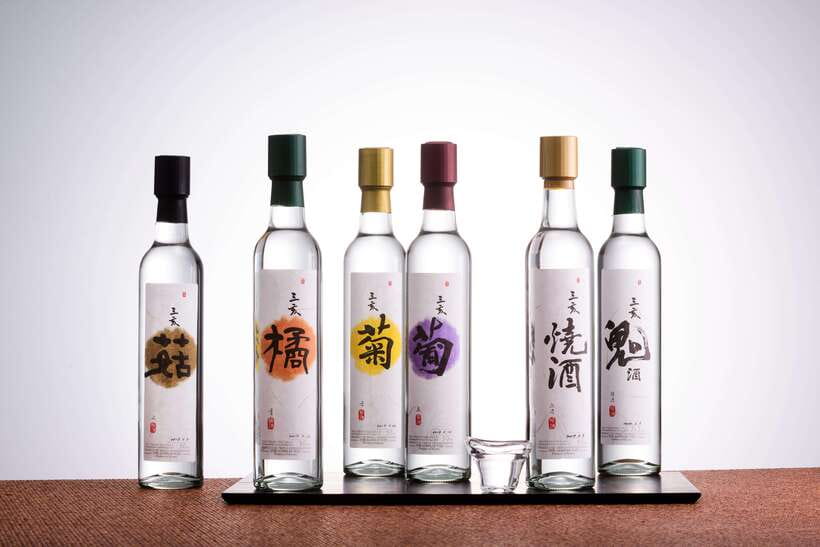
This is one of those tours where small timing details affect your experience. The rules are clear: you cannot join if you are late by more than 20 minutes. So plan for Seoul streets and the odds of getting slightly turned around.
Your job is to get yourself to the meeting venue. You are told instructions will be provided on-site, and the venue is close to Hongik University Station. The exact meeting point is a small triangle-shaped parking lot next to the building. There is a Pizza Hut across the street, which is a good backup landmark if you are searching on foot.
If you need the address for taxis, it is:
서울특별시 마포구 성산동 103-5
To find the exact spot, use the map links provided to you (Google/Naver/Kakao). They matter here because the meeting is tied to a specific landmark, and “close by” is not the same as “the right corner.”
One more practical note: arrive at least 5 minutes early. The host will pick you up about 5 minutes before the tasting, which keeps the group together and on time.
Who this soju tasting suits best (and who should skip it)
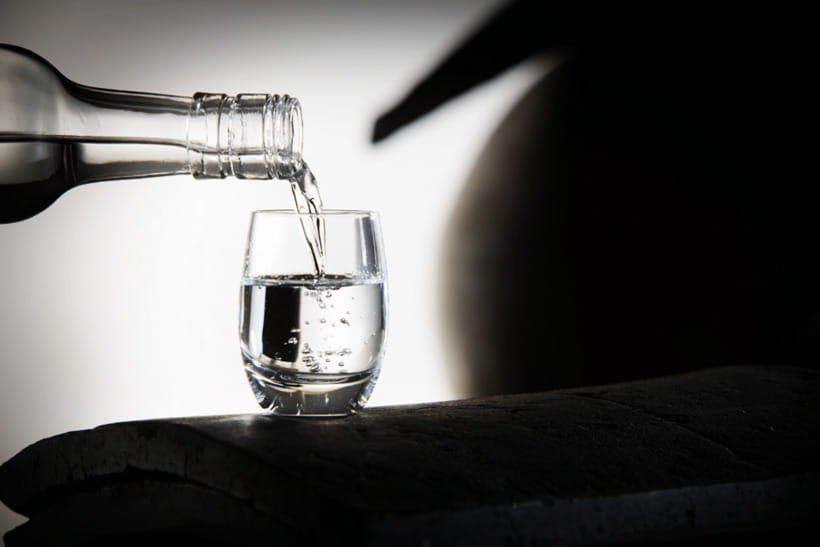
This is a strong match if you want a guided cultural food-and-drink experience, not just a quick drink. It also fits well if you like learning about craft: the process, the categories of Korean rice alcohol, and how method changes the final pour.
You will especially enjoy it if:
- you are curious about soju beyond stereotypes
- you want to compare multiple types side by side
- you like asking questions and getting direct answers in English
You might want to skip or choose a different style tasting if:
- you do not enjoy high-proof liquor like tequila or whisky
- you want something lighter and less intense
Age and safety filters are also important. The tour is not suitable for children under 18, and it is listed as not suitable for pregnant women.
If you want a gentler start to Korean alcohol culture, there’s a clear alternative mentioned: tastings focused on the lighter alcohol Makgeolli.
Price and value: why $49 can work for the right person
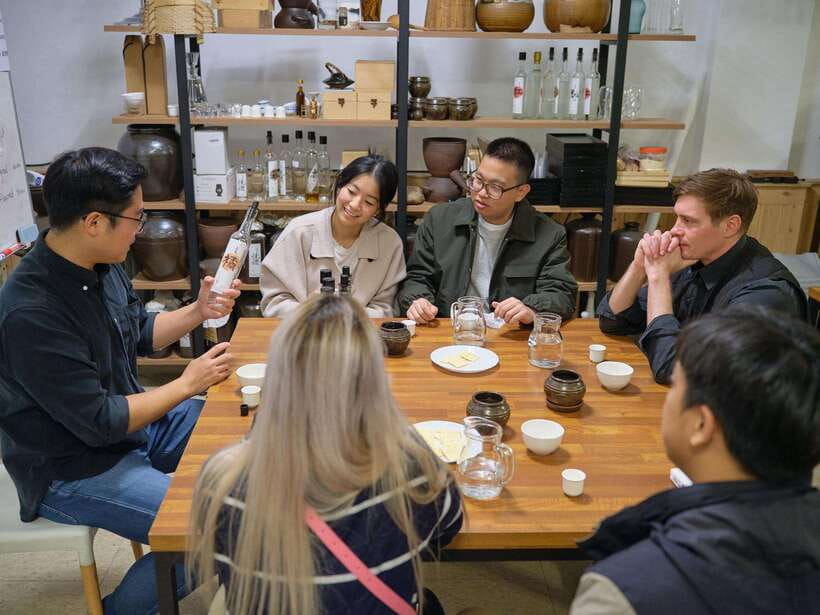
Let’s be honest about cost. $49 for an 80-minute tasting is not a bargain price. But it can feel like good value because you are paying for a guided distillery session with multiple samples, structured explanations, and a specific craft focus.
What you are getting for that money:
- an 80-minute hosted tasting with live guide support
- at least 7 samples, mainly soju spirits
- access to the process story tied to the family recipe lineage
- English interpretation throughout
For the right traveler, that’s a better deal than spending a night “guessing” at random bar pours. You leave with clearer preferences. You also leave with practical next-step ideas, like where to eat and drink in the Hongdae area.
Should you book this soju tasting at the distillery?
Book it if you want an English-taught, distillery-based soju introduction in central Seoul, with enough samples to compare styles and enough explanation to understand what you like. It is especially worth it if soju is on your Seoul to-do list and you want the deeper story behind it.
Skip it if high-proof spirits are not your thing. Even when you enjoy Korean alcohol, the stated 45–50% strength is a real factor. In that case, look for a lighter rice alcohol tasting instead.
If timing and strong drink tolerance both line up, this is one of the more “worth your time” alcohol experiences you can add to a Hongdae evening.
FAQ
How long is the Seoul soju tasting?
The tour lasts about 80 minutes.
What’s included in the tasting?
You will get samples including Korean rice wine (Takju and/or Cheongju depending on availability) and distilled rice spirit soju. A total of at least 7 samples is served, mainly consisting of the soju.
Is the tour offered in English?
Yes. The tour guide speaks English.
Where do we meet near Hongik University?
You meet at the small triangle-shaped parking lot next to the building. The tour provides exact map links, and the taxi address is 서울특별시 마포구 성산동 103-5.
What happens if I am late?
You cannot join if you are late more than 20 minutes. You should arrive at least 5 minutes early.
Is this tour suitable for kids or pregnant people?
No. It is not suitable for children under 18 or for pregnant women.
Can I cancel, and is there a pay-later option?
Yes. You can cancel for a full refund up to 24 hours in advance. You can also reserve now and pay later.