REVIEW · TORONTO
Toronto: Distillery & Old Town Private Walking Tour
Book on GetYourGuide →Operated by Guydeez Tours · Bookable on GetYourGuide
Toronto’s streets tell stories fast. This private walking tour keeps you moving through Old Town landmarks while a guide connects the dots from early settlement to modern-day Toronto. I especially like pairing the big sights with moments of local culture at St. Lawrence Market, and I also like how the route feels compact—easy to fit into a busy day. One drawback to consider: entry into monuments and museums isn’t included, and the level of historical storytelling can vary by guide, so ask questions if you want more depth.
You’re getting a real local-style walkthrough for a fair $28 per person over about 2 hours. That’s not a “sit in a van” tour, so you’ll see more in less time and get practical context you can use the rest of your trip. Still, because it’s street-focused, you won’t get the full wow-factor of attractions that require paid entry unless you decide to add them yourself.
This is also a nice fit if you travel with mixed language needs: the live guide works in English, French, Italian, and Spanish, and it’s wheelchair accessible. If you choose French, note that at least some guide sessions can run partly in French and partly in English—worth planning for.
In This Review
- Key things to know before you go
- Where the tour starts: 209 Yonge St and getting oriented
- St. Lawrence Market: the easiest way to feel local culture
- The Cathedral Church of St. James: a landmark you’ll remember
- Mackenzie House: the mayor’s legacy and the darker side of downtown
- Church of the Holy Trinity: tracing Toronto’s early development
- Toronto Old City Hall: duels, civic milestones, and big-city momentum
- Private guide value: how the stories feel in real time
- Price and value: what $28 gets you (and what it doesn’t)
- Who should book this tour
- Practical tips to make the most of your 2-hour walk
- Should you book this Toronto Old Town walking tour?
- FAQ
- How long is the Toronto Old Town private walking tour?
- Where do we meet the guide?
- What’s included in the tour price?
- Is entry to monuments and museums included?
- What languages are available for the live guide?
- Is the tour wheelchair accessible, and is it private?
Key things to know before you go
- A tight Old Town loop that hits major landmarks and smaller stops tied to Toronto’s early growth
- St. Lawrence Market time for real local culture, not just photos from the sidewalk
- Church and civic architecture on display at St. James and other heritage buildings
- Mackenzie House for a darker, story-driven chapter of the city
- A private guide experience where your questions can shape what you notice
- Tickets aren’t included, so you’ll want to decide what you want to pay to enter
Where the tour starts: 209 Yonge St and getting oriented

Meet your guide at 209 Yonge St, in front of Yonge Suite. It’s a solid starting point because you’re already in the downtown grid where Toronto’s past and present overlap. The guide presence here matters more than you might think—within the first few minutes, you start learning what to look for as you walk: street layout, building types, and how different neighborhoods relate to one another.
You’ll be on your feet for the full 2 hours, with short photo stops and guided explanations at each stop. That format is ideal if you want structure without feeling trapped in a lecture. And since it’s a private group option, you should feel free to steer the conversation toward what interests you most—history, architecture, markets, or “what should I do next after this walk?”
You can also read our reviews of more tours and experiences in Toronto.


St. Lawrence Market: the easiest way to feel local culture
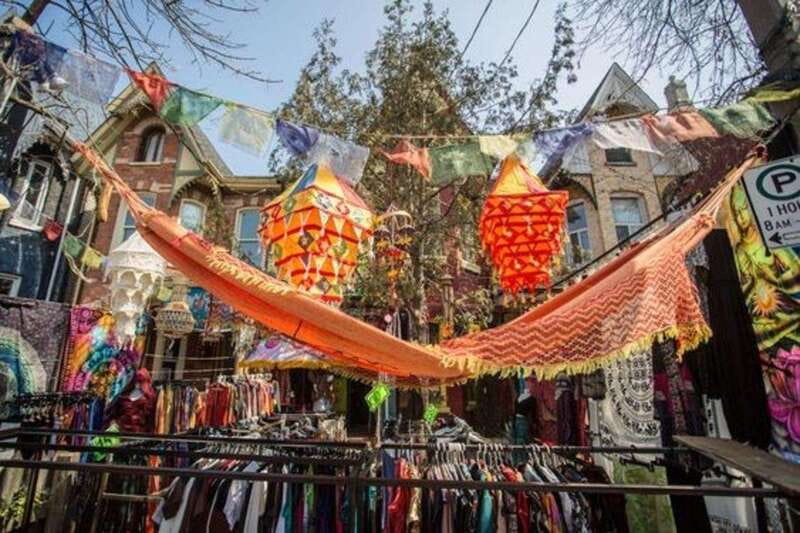
Your tour includes time at St. Lawrence Market with a photo stop, a visit, and guided sightseeing. This is the part of the day that shifts the tone from historic buildings to everyday Toronto. Even if you don’t buy anything, just walking through the market gives you a fast education in local rhythm: what people prioritize, how vendors present food, and how commerce shapes neighborhood identity.
If you do like to snack while you travel, this is a great place to build momentum. The guide can point out what’s worth trying and how different stalls reflect the city’s mix of communities. I like market segments on walking tours because they’re practical: you leave with ideas you can act on later, whether that’s dessert, lunch, or a food shop you’ll want to revisit.
One thing to keep in mind: this stop is one piece of a larger route. If you spend too long browsing, you can end up rushing later. A good strategy is to decide early whether you’re doing a quick tasting or a full meal, then pace yourself.
The Cathedral Church of St. James: a landmark you’ll remember
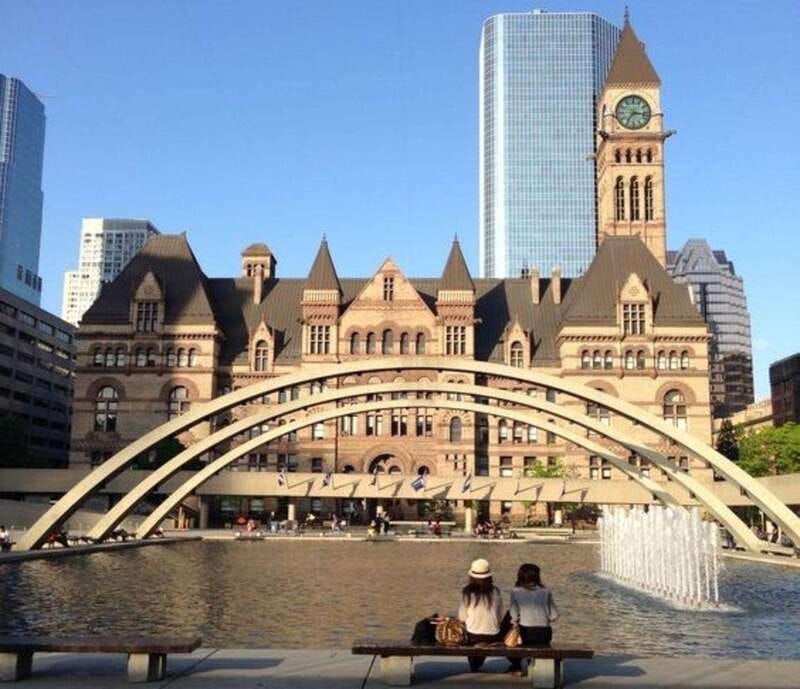
Next up is The Cathedral Church of St. James, another major stop with a photo moment, guided visit, and sightseeing as you move between points. This cathedral is the kind of building that changes how you read the city—suddenly you notice how faith, civic life, and architecture were braided together in Toronto’s growth.
What I like about stopping here during a short walking tour is that you’re not just seeing a pretty facade. You get help spotting why it matters—its role as a visible symbol of Toronto’s religious heritage, and how that heritage fits into the broader story of the city becoming what it is today. When a guide explains what you’re looking at, you walk away with mental bookmarks, not just photos.
Since entry to monuments and museums is not included, decide ahead of time how much you want to go inside (if anything). If you’d rather focus on exterior views and photos, you can still get plenty from the guided stop.
Mackenzie House: the mayor’s legacy and the darker side of downtown
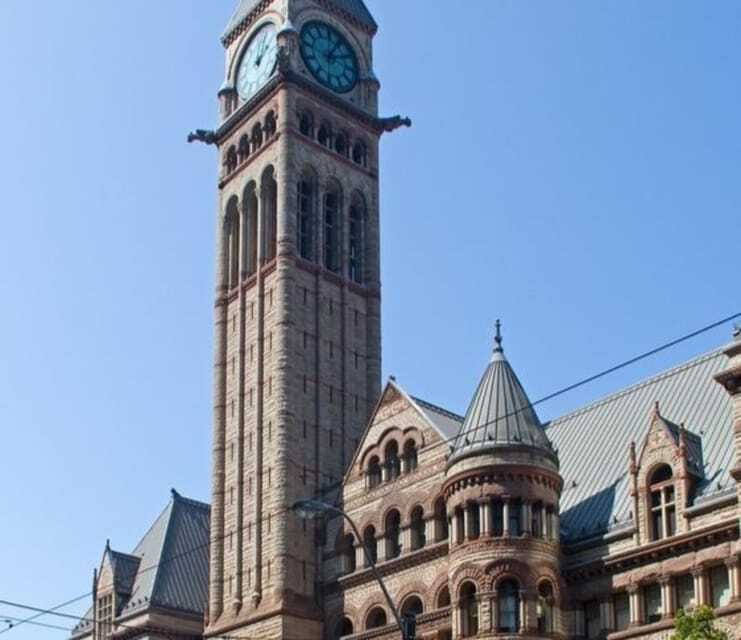
Mackenzie House is one of the most story-driven stops on the route. You’ll get a photo stop and a guided visit while learning about the house as the home of a former mayor with a haunting legacy. Even without specific inside details, this kind of stop is valuable because it reminds you that cities aren’t just built by grand projects. They’re built by people, decisions, and consequences—some of them uncomfortable.
I like this stop because it adds emotional range to the tour. After churches and market culture, Mackenzie House brings you back to political reality: leadership, reputation, and how the past can linger. If you enjoy history that includes real human conflict (not just dates and names), this is the moment to pay extra attention and ask follow-up questions.
Again, because paid entry isn’t included, you’ll want to treat this as a guided experience first, and then decide what—if anything—you want to add for extra access.
Church of the Holy Trinity: tracing Toronto’s early development
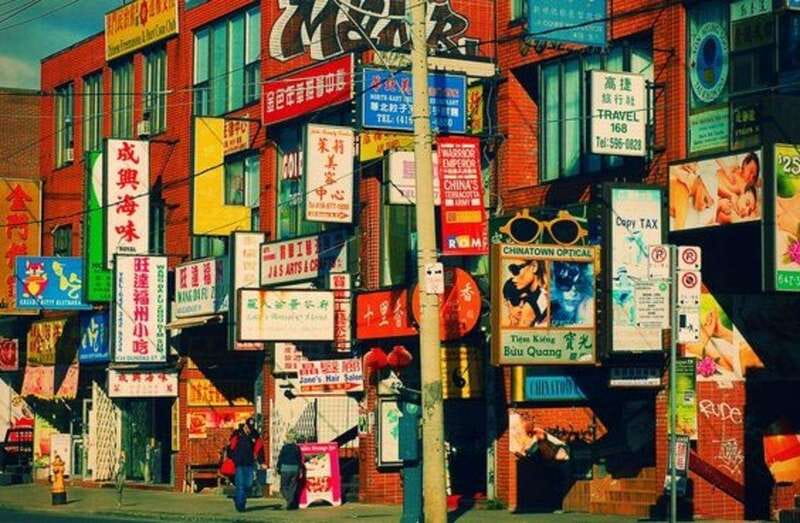
The Church of the Holy Trinity stop is where the tour’s timeline starts feeling clearer. You’ll get a photo stop, guided visit, and short walks between points, with explanations focused on how the city formed and developed in its earlier days.
One of the key themes you’ll hear is how Toronto evolved over time—starting as a military outpost and growing into a bustling metropolis. That shift is exactly what makes a walking tour worth it: your guide isn’t just naming buildings. They’re giving you a cause-and-effect map of the city.
I also like that this stop sits in the middle of the tour. By then, you’ve already warmed up with major landmarks and market culture, so the guide can use your attention to connect the earlier era to what you’re seeing right now in downtown.




Toronto Old City Hall: duels, civic milestones, and big-city momentum

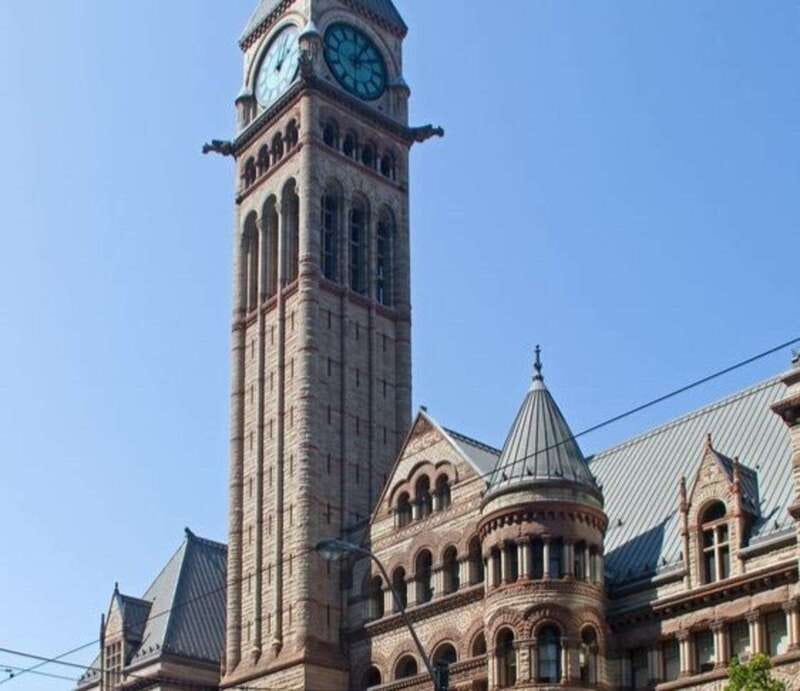
The tour ends at Toronto Old City Hall, with a photo stop, guided visit, and sightseeing. This is an architectural heavy hitter and, according to the tour framing, a place tied to civic milestones and even notorious duels—yes, the city’s story includes drama.
Old City Hall works well as a closing stop because it anchors everything you’ve learned. Churches tell you about belief and community. Market culture tells you about everyday life and commerce. Mackenzie House adds personal stakes and consequence. Old City Hall gives you the governance side—the formal power that shaped Toronto’s direction.
Even if you don’t pay for entry to anything inside, the guided explanations help you look at the building as more than background. You’ll finish with a stronger sense of how downtown got its identity, and you’ll be better prepared to explore on your own afterward.
Private guide value: how the stories feel in real time
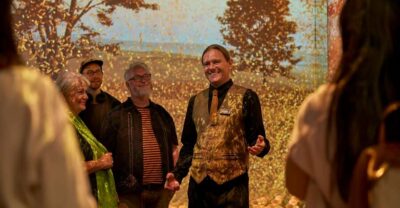
The tour’s best asset is the live guide. This is not a “read a plaque and move on” format. You’ll get facts tied directly to what you’re seeing, plus story connections that make the city feel like one connected narrative instead of separate attractions.
That said, I want to be honest about expectations. Some tour comments have suggested that one guide may focus more on a casual city walk than on deep Toronto anecdotes, while other guides provide a broader overview and add food-oriented recommendations around St. Lawrence Market. In a small group or private setup, that difference matters. If history is your main goal, ask early on: What’s the most important turning point for Toronto, and where will we see it on this route?
If you’re the type who likes to chat with locals and learn how locals think, the private setup is a real win. You can also tailor what you notice: architecture lovers can ask about design and street layout, and food lovers can steer toward what’s worth sampling at the market.
Price and value: what $28 gets you (and what it doesn’t)
At $28 per person for about 2 hours, the pricing feels targeted for a guided walking experience. You’re paying for the guide time and the structure: photo stops, guided explanations, and help booking tickets for visited attractions.
The big thing to understand is that entry to monuments and museums is not included. That doesn’t make the tour poor value—it means you get to control how much you want to spend once you decide what you actually care about. For example, if you’re happy with exteriors and the guided storytelling, you can keep costs low. If you want to go inside select sites, the guide can assist with booking, and you decide your budget.
Also, the tour can be private and wheelchair accessible. If you’re traveling as a couple or small group and want a schedule that fits your pace, the private option can justify the cost quickly.
Who should book this tour
This is a good match if:
- You want a structured way to see Old Town highlights without stacking a lot of separate tickets.
- You like history, but you also want it paired with real “today” Toronto at the market.
- You prefer walking tours where you can ask questions and get pointed recommendations.
It may be less ideal if:
- You’re looking for a heavy museum day or a long interior-visit itinerary.
- You’re very focused on deep, lecture-style history with lots of minutiae. In that case, you’ll want a guide who leans into stories and may ask more questions to ensure you get the depth you want.
Practical tips to make the most of your 2-hour walk
Wear comfortable shoes. This is a walking tour with multiple short stops, and you’ll move between points. If you plan to use the market time for tasting, bring a small amount of cash or confirm payment options for vendors.
At each stop, take 20 seconds before the guide starts explaining to look at one detail: a doorway, a bell tower, a street sightline, or a design pattern. When the guide points out what matters, you’ll “lock in” the lesson faster.
Finally, if you care about history level, ask one direct question early. A simple one like What changed the most as Toronto went from early outpost to modern city? can steer the entire tour toward the kind of context you’re looking for.
Should you book this Toronto Old Town walking tour?
If your goal is to get your bearings in downtown Toronto and learn how the city’s big public spaces connect—churches, civic buildings, and the market—this is a strong choice. The $28 price for a guided, two-hour route is good value, especially because it includes help with tickets even though entry isn’t included.
I’d book it if you’re happy with a street-level itinerary and you want stories that make Toronto feel like one timeline, not a checklist. I’d think twice only if you know you want lots of interior access or you’ve had bad luck with guides that keep things too light on history—then it’s worth being proactive with questions so you get the depth you want.
FAQ
How long is the Toronto Old Town private walking tour?
The tour lasts 2 hours.
Where do we meet the guide?
You meet at 209 Yonge St, in front of Yonge Suite.
What’s included in the tour price?
A live guide is included, along with help to book tickets to visited attractions.
Is entry to monuments and museums included?
No. Entry to monuments and museums is not included.
What languages are available for the live guide?
The live tour guide is available in English, French, Italian, and Spanish.
Is the tour wheelchair accessible, and is it private?
Yes. The tour is wheelchair accessible, and a private group option is available.