REVIEW · COGNAC
Visit Citadelle Gin Distillery
Book on GetYourGuide →Operated by COGNAC FERRAND · Bookable on GetYourGuide
Gin and a real sense of craft. Citadelle Gin Distillery turns a short visit into a hands-on look at how an award-winning gin gets made, starting with the botanicals grown right outside the estate and ending with a structured tasting flight. It also feels special because you’re touring a cathedral distillery style setup, not just a quick showroom stop.
What I like most is the way the tour connects the dots for you: juniper fields, citrus-and-herb growing in the orangery, then how those choices show up in the glass. Second, the tasting is built for comparison, with four distinct bottles: Original, Jardin d’été, Rouge, and Cornichon.
One consideration: with a 90-minute format, the pace stays brisk. You’ll learn a lot, but if you want lots of free time to slow-walk and linger with every detail, you may wish you had booked a longer session.
In This Review
- Key things you’ll notice on this Citadelle gin tour
- A cathedral distillery you can actually see and understand
- Starting at Société Protectrice des Animaux de Cognac S.P.A.
- Juniper fields and the orangery: the “ingredients you can picture”
- The patented infusion process, explained in plain terms
- Charente stills and aging: what happens after the botanicals
- Your 4-gin tasting flight: Original, Jardin d’été, Rouge, Cornichon
- Maison Ferrand stop: spirits and a self-guided stroll
- Price and value: what $17 buys you in real terms
- Who this tour suits best (and who might want something else)
- Should you book Citadelle Gin Distillery?
- FAQ
- What is the duration of the Citadelle Gin Distillery visit?
- How much does it cost?
- How many gins do you taste, and which ones?
- What languages are the guided tours offered in?
- Where do I meet for the tour?
- Is the tour suitable for kids?
- Is there free cancellation?
Key things you’ll notice on this Citadelle gin tour
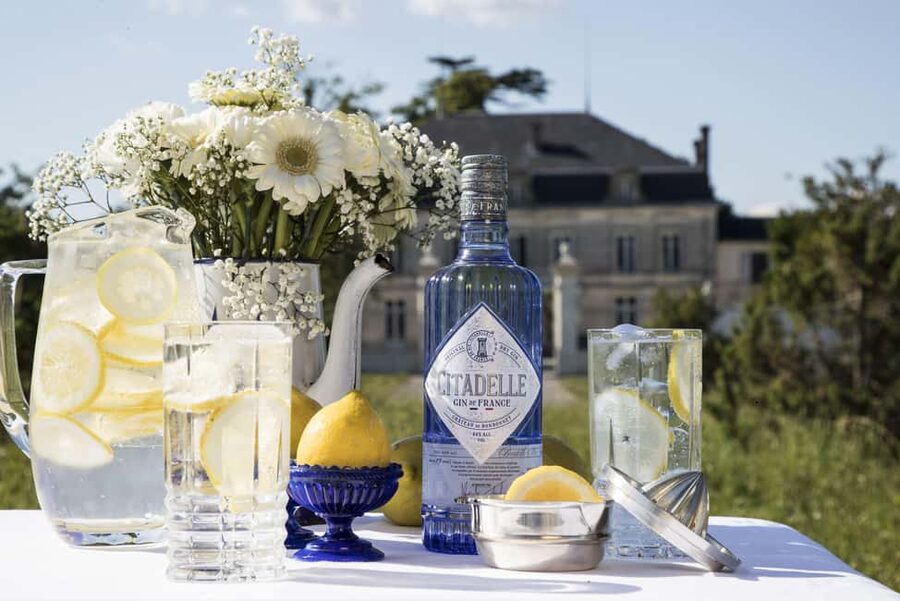
- Juniper fields at the start: you’ll see where the core botanical journey begins, not just hear about it.
- Orangery plants and aromatics: citrus and aromatic cultivation tied to the gin’s style.
- Patented infusion process: you’ll get a clear explanation of the technique that shapes the final flavor.
- Charente stills in a cathedral setting: the production space is part of the show, and it’s designed for the process.
- A 4-gin tasting with named expressions: Original, Jardin d’été, Rouge, and Cornichon give you an easy compare-and-contrast.
A cathedral distillery you can actually see and understand
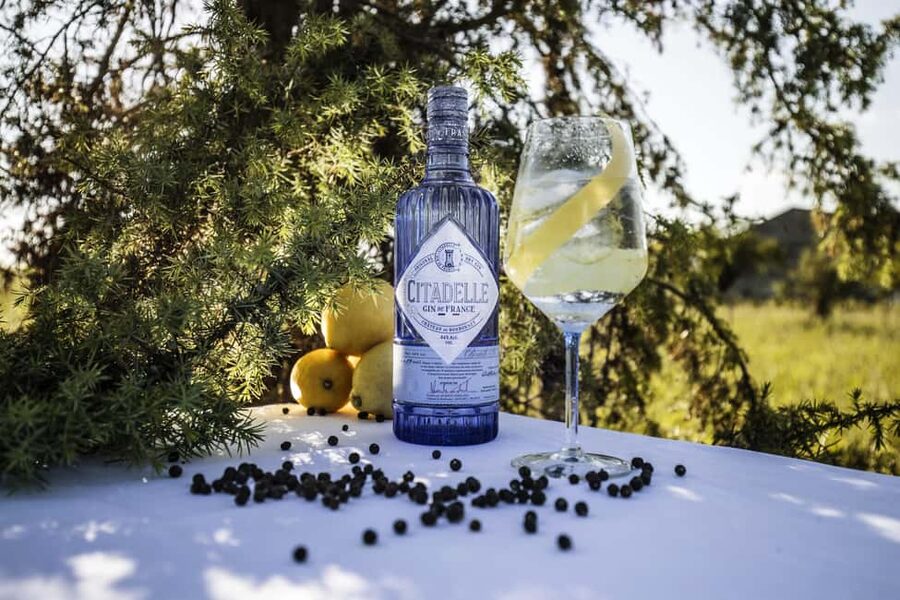
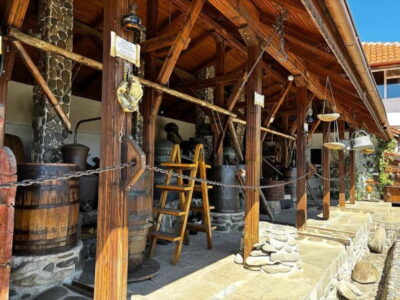
Citadelle’s big visual idea is simple: the production space is built like a cathedral, and the distilling gear sits inside that dramatic atmosphere. That matters, because gin is often sold as a brand promise, but here the tour helps you connect the promise to the physical steps.
When you arrive, the meeting point is easy to spot if you’re looking for it: you recognize the place from the chateau, and the guide wears a sailor top. The session runs about 90 minutes, and it’s led in English, Spanish, and French, which keeps the explanations flowing instead of turning into a guessing game.
The flow of the visit is practical. You’re not just watching a process; you’re being shown what each stage does. That turns a distillery stop into something you can carry home: you learn the logic of maceration, infusion, distillation, and aging, instead of only hearing marketing lines.
You can also read our reviews of more tours and experiences in Cognac.

Starting at Société Protectrice des Animaux de Cognac S.P.A.
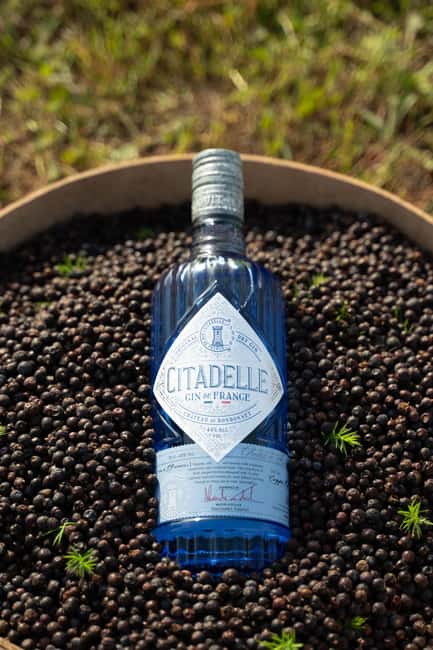
The tour’s start point is listed at Société Protectrice des Animaux de Cognac S.P.A. That’s a helpful clue because it gives you a real reference point, not just a vague neighborhood. From there, you move on to the estate where the gin production happens—centered around Château de Bonbonnet.
Why this matters for you: distillery tours can be confusing if you don’t know where you’re meeting. Here, you have a concrete spot, and you can also watch for the sailor-top guide so you don’t waste time circling.
If you’re the kind of person who likes to get oriented early, arrive a few minutes before your start time. You’ll settle in fast, get your bearings, and then the visit’s production story starts without delay.
Juniper fields and the orangery: the “ingredients you can picture”
One of the smartest parts of this experience is that it doesn’t start in the tank room. It starts outside.
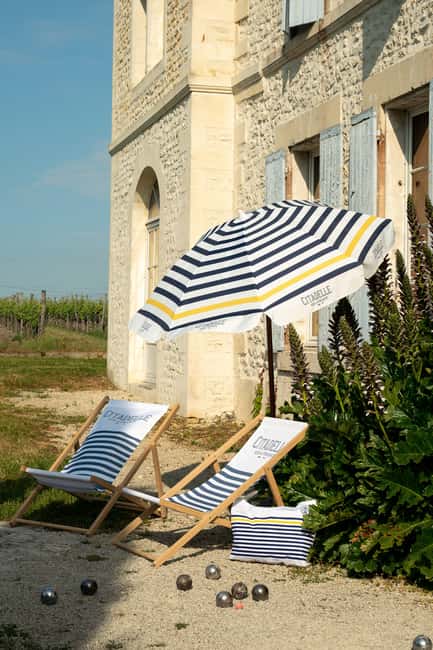
You’ll learn about their production approach, including the fact that Citadelle works to control what it can, from the raw ingredients to the production steps. You’ll see mention of juniper fields in front of the castle. That’s the core botanical in gin, so it’s not a side detail. It’s the foundation.
Then comes the orangery concept. The visit explains that there’s an orangery where citrus and aromatic plants grow. Even if you don’t go plant-by-plant, this framing helps you understand why the tasting later won’t be random. The gin style connects to the botanical environment.
You also pick up the big idea behind their process: the goal isn’t only to make gin. It’s to control the variables. That’s what turns a spirit from a standard product into something with consistency across batches.
The patented infusion process, explained in plain terms
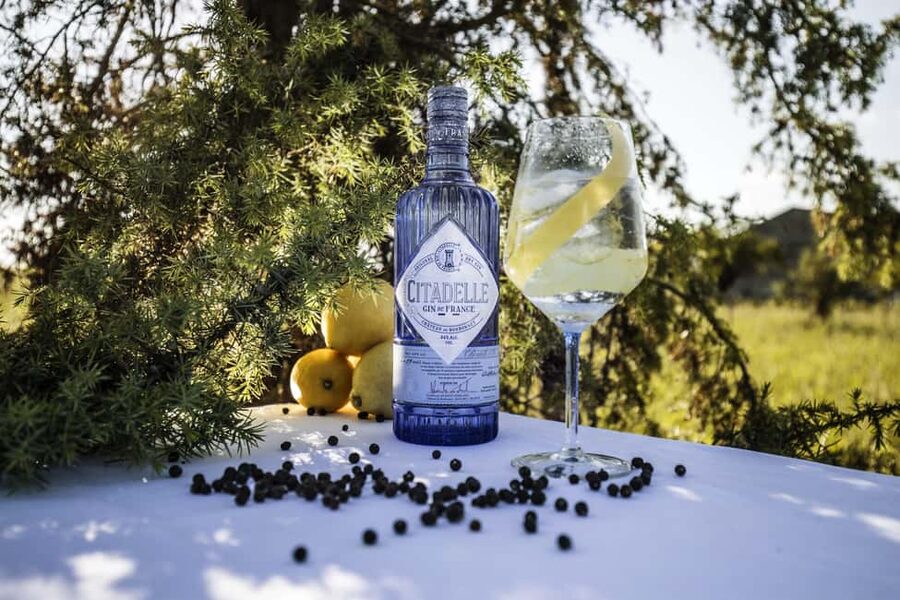
Gin can sound mysterious. Citadelle’s tour tries to remove that mystique by focusing on a specific method: a patented infusion process.
During the visit, you’ll discover everything about how the first French craft gin is produced and how the infusion technique fits into the overall production timeline. The tour then explains the maceration technique, too—so you understand what happens before distillation.
Here’s what I think you’ll appreciate about this approach: instead of memorizing a list of steps, you’re given the function of each step. Maceration and infusion aren’t just “soak and distill.” They’re ways of extracting and shaping aroma and flavor. Once you understand that, the tasting makes more sense.
Also, you’ll learn how much work goes into the gin before any glass gets poured. That helps if you’re the type who thinks a tasting is mainly about luck and your palate. It’s not. A lot of the outcome is built-in long before the first sip.
Charente stills and aging: what happens after the botanicals
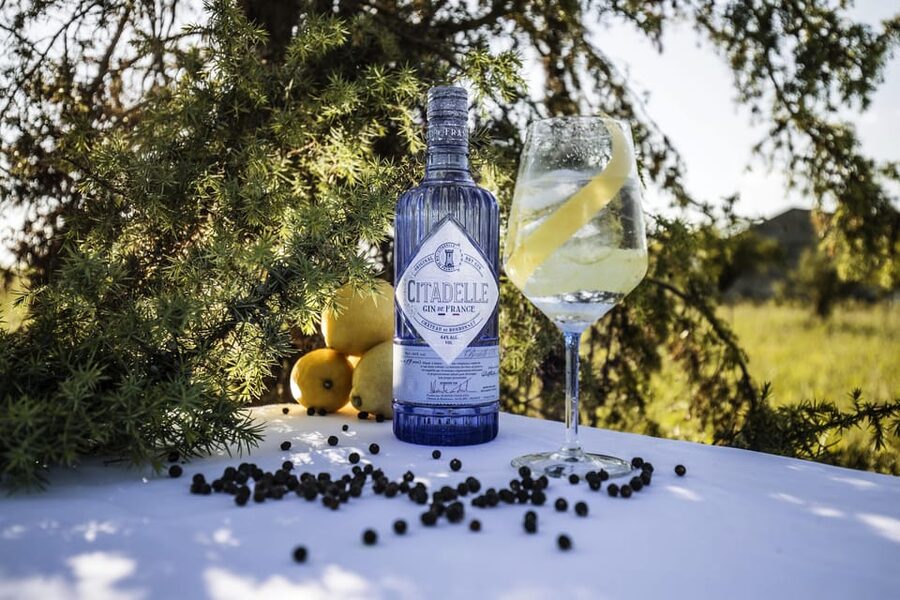
The tour includes a discovery of the cathedral distillery and its Charente stills. Even if you don’t know anything about distillation, you’ll come away with a clearer idea of what these stills are doing and why they fit the overall method.
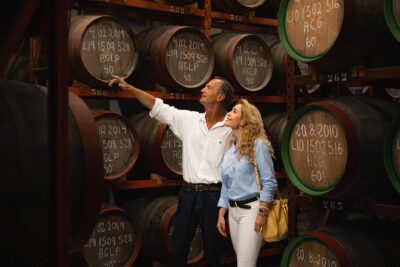
Then the tour touches aging. You’ll discover the aging process of gin as part of the visit. Gin isn’t always taught with the same care as wine or spirits like whisky, so this is a good reminder: time and production choices affect the final character too.
The best part of this stage is that it keeps you grounded in cause-and-effect. You’re not just standing in a room looking at equipment. You’re being told what that equipment supports in the workflow, and how the technique shapes the end result.
One thing to keep in mind: because aging and distillation explanations can be technical, listen for the parts that connect directly to what you’ll taste. When the guide points back to “this is why you’ll notice X,” that’s the moment to lean in.
Your 4-gin tasting flight: Original, Jardin d’été, Rouge, Cornichon
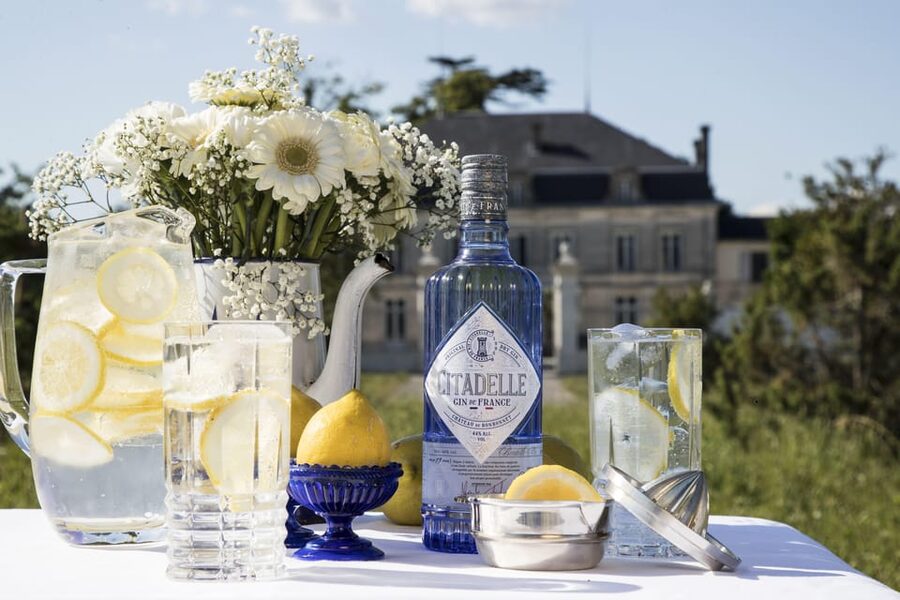
The tasting portion is the reward and the test. You’ll taste four different gins: Original, Jardin d’été, Rouge, and Cornichon.
Instead of doing a random sip-sip-sip session, this format makes comparison easy. You can line them up mentally and start to ask better questions like:
- How does the base expression (Original) set the standard?
- What changes when the bottle is named for a style cue like Jardin d’été or Rouge?
- What kind of personality does Cornichon bring to the mix?
If you’re not a diehard gin person, this is still a strong plan. One of the nicest surprises from recent feedback is that even people who don’t usually choose gin can leave with bottles. That’s usually a sign the tasting is guided in a way that helps you find your own preferences, not just force you into a “gin is great” script.
A practical tip for you: take short notes in your phone as you go. Even a few words like citrus-forward, spicier, or more rounded helps you remember what you liked once you’re back in town.
Maison Ferrand stop: spirits and a self-guided stroll
There’s also a Maison Ferrand component in the experience flow. You’ll pass by Maison Ferrand and spend time with a walk and a self-guided tour while enjoying spirits and a wine tasting component.
What to expect here is more about atmosphere than a deep lecture. The time is set aside for you to explore and sample in a more flexible way, which is useful because it breaks up the structured distillery teaching with a bit of wandering.
Why that helps you: if you’re trying to decide whether you truly like gin, mixing in a more general spirits-and-tasting break can soften the intensity. You’re still learning, but you’re also allowing your palate to reset.
Since this portion includes both spirits and wine tasting, you can think of it as a broader regional flavor warm-up. It pairs nicely with the gin-heavy end of the experience.
Price and value: what $17 buys you in real terms
At $17 per person for about 90 minutes, this is priced like a focused, high-value spirits experience rather than a half-day tour that costs a lot more. The key question isn’t only whether the price is low. It’s what you get for that money.
You’re paying for:
- a guided production-focused tour (not just a photo stop),
- a cathedral distillery visit with Charente stills,
- explanations of maceration and the patented infusion process,
- a tasting flight of four named gins,
- and free entry for under 18s.
That mix is the value. If the only thing included was a quick tasting, you’d be paying mostly for liquids. Here, you’re paying for context, and the tasting becomes more meaningful because you learned what the process is trying to achieve.
Is it perfect? If you want a slower tour where you ask dozens of extra questions, this time window can feel tight. But for most people, the 90 minutes works because it keeps you from getting bored and keeps the tasting portion from feeling like an afterthought.
Who this tour suits best (and who might want something else)
This is a great fit if you:
- like structured explanations that connect process to flavor,
- want to taste multiple gin expressions in one visit,
- enjoy learning about botanicals, especially juniper and citrus aromatics,
- and you want an experience you can finish without losing your entire day.
It’s also a good option for people who do not already love gin. The tasting names—Original, Jardin d’été, Rouge, Cornichon—give you variety, and the guide-led format helps you find the one (or two) bottles that match your taste.
If you’re the type who wants a totally unhurried pace, you might find 90 minutes a little short. Also, if you only care about cocktails and not how gin is built, you might wish the tour spent more time on serving ideas. But the focus here is clearly production and tasting, and it does those well.
Should you book Citadelle Gin Distillery?
Book it if you want a short, well-structured distillery visit where the tasting is earned by understanding the steps first. The combination of a cathedral distillery setting, explanations of maceration and infusion, and a four-gin comparison flight makes this feel like more than just a sip-and-walk experience.
Skip it (or consider a longer alternative) if you hate any kind of learning component. This tour leans on explanation, and the value comes from connecting production choices to what you taste.
FAQ
What is the duration of the Citadelle Gin Distillery visit?
The tour lasts about 90 minutes.
How much does it cost?
It costs $17 per person.
How many gins do you taste, and which ones?
You taste four gins: Original, Jardin d’été, Rouge, and Cornichon.
What languages are the guided tours offered in?
The tour guide offers English, Spanish, and French.
Where do I meet for the tour?
You meet at Société Protectrice des Animaux de Cognac S.P.A., and you can recognize the meeting place from the chateau. The guide wears a sailor top.
Is the tour suitable for kids?
It’s free for under 18s.
Is there free cancellation?
Yes. You can cancel up to 24 hours in advance for a full refund.