REVIEW · ARUSHA
7 days Kilimanjaro climb via Machame route (Whiskey route)
Book on Viator →Operated by Serengeti African Tours · Bookable on Viator
Kilimanjaro doesn’t do gentle. This 7-day Machame route, also called the Whiskey route, mixes rainforest start, moorland views, and a high-drama summit night to Uhuru Peak. You’ll do it with a guided team, camp support, and meals handled for you, which matters when altitude is already doing the hard work.
What I really like here are two practical things: the route’s scenic variety (forest to moorland to alpine desert) and the way the operator handles the basics on-mountain—purified drinking water, big meals, and tents that are meant for real cold. When you’re climbing, fewer logistics headaches is a win.
The main consideration is difficulty. Machame is steep and demanding, and nights can drop to well below freezing, with tough days like the Lava Tower section and the long summit push from Stella Point.
In This Review
- Machame Whiskey Route: key highlights that matter
- Why the Machame Whiskey Route gets so much attention
- Day 1: Arusha to Machame Village, then straight into rain forest
- Day 2: Forest to moorland, Shira Plateau at altitude
- Day 3: Lava Tower day—hard climb, then a smart descent to Barranco
- Day 4: Great Barranco Wall and a steadier acclimatization day
- Day 5: Barafu Camp at 4,550m—wind, exposure, and last water planning
- Day 6: Midnight start, Stella Point (5,685m), and the sunrise to Uhuru Peak
- Day 7: Celebration, certificates, and descent back to Mweka Gate
- Price and logistics: where $2,300 really goes
- The team side: how guides and food shape your summit odds
- Who should choose Machame with this operator
- Should you book this 7-day Machame climb?
- FAQ
- What route is this, and why is it called the Whiskey route?
- How long is the Kilimanjaro climb?
- What’s the price for the Machame route?
- What’s included in the tour price?
- What is not included?
- How big is the group?
- When do you start the summit push?
Machame Whiskey Route: key highlights that matter
- A scenic “ecosystem switch” trail that changes fast, from rain forest to moorland to semi-desert.
- Strong on-mountain support: professional guides, mess tents, and lots of food, plus purified water.
- The acclimatization structure works: Day 3 pushes high and then you descend to Barranco, which helps you adapt.
- Great Barranco Wall is a classic “you can do this” day once you reach the top.
- Stella Point sunrise payoff: the long night grind ends with a dramatic sunrise if weather cooperates.
- A team you can trust: past climbers specifically praised guides like James, Gasto, and David, plus responsive communication from Lucas.
Why the Machame Whiskey Route gets so much attention
Machame is one of the most popular Kilimanjaro routes for a reason: you get variety. The climb moves through several habitat zones in a way that feels like you’re walking through different parts of the mountain. One day you’re in rain forest that can turn muddy and slippery; another day you’re in exposed alpine desert where wind becomes part of the workout.
The itinerary is also built for momentum. You climb, you gain altitude, you cool off at camp, then you move again. That makes Machame feel more like real hiking than a slow, gentle stroll. If you’ve got at least some backpacking or hiking experience, you’ll likely feel more confident when the trail steepens.
The flip side is that “most popular” also means “most serious.” Machame is not the route for first-timers who want the easiest pace. It’s challenging, and your body has to handle cold, thin air, and rough footing.
You can also read our reviews of more tours and experiences in Arusha.
Day 1: Arusha to Machame Village, then straight into rain forest
Your day starts with pickup in Arusha and a drive toward Machame Village, which sits around 1,400m. From there, you either drive onward to the gate or do a short, muddy walk (about 3 km) depending on road conditions. That early push can be annoying if it’s wet, but it’s also a quick way to settle into the rhythm: walk, pause, hydrate, repeat.
Once you register at the gate office, the ascent begins and you enter the rain forest almost immediately. The big issue on Day 1 is moisture. There’s a strong possibility of rain, and the trail can turn soggy, muddy, and slippery. This is exactly when trekking poles (if you use them) and good traction help, and it’s also why you’ll want rain-ready clothing.
You’ll get a welcome lunch stop around halfway, then continue to camp. It’s a long day in time, but the effort is spread out by the forest setting and the repeated breaks.
Day 2: Forest to moorland, Shira Plateau at altitude
Day 2 starts at Machame camp with an early rise. After breakfast, you climb for about an hour through the forest, then the trail eases into moorland. This is the day’s “build-up” phase: you’re gaining elevation steadily without jumping to the highest stress zones too fast.
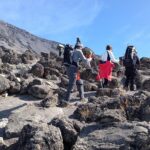
After lunch and rest, you continue up a rocky ridge and into the Shira plateau area. One of the most satisfying moments here is the emerging view—especially toward the Western Breach with glaciers to the east. You’ll reach the Shira campsite at around 3,840m, and you should expect cold to creep in fast, especially once you’re above the tree line.
Dinner is supported by your porters boiling water for drinking and washing. That detail matters more than it sounds. When you’re at altitude and moving all day, having clean, handled water and a warm meal reduces the chance that small discomfort turns into a big problem overnight.
Day 3: Lava Tower day—hard climb, then a smart descent to Barranco
This is often the toughest day people feel, and the numbers back that up. You leave the higher, exposed zone and move into semi-desert rocky terrain around Lava Tower. You’ll reach about 4,630m after roughly a 5-hour walk, then have lunch in a designated area.
After lunch comes the scree and rock-heavy push toward Lava Tower itself. By this point, some climbers may start experiencing symptoms like breathlessness, irritability, or headaches. That doesn’t mean you’re failing—it means altitude is doing what it always does. The best response is to keep moving calmly and follow your guide’s pacing.
Then comes the acclimatization “aha.” After the Lava Tower section, you descend by almost 680m to the Barranco camping area and reach around 4,600m. That drop is not a reward vacation—it’s a strategy. Getting lower helps your body adapt so Day 4 feels more possible instead of constantly piling on.
Day 4: Great Barranco Wall and a steadier acclimatization day
Day 4 is where many people go from clenched confidence to actual confidence. You tackle the Great Barranco Wall, which sounds scary because it’s steep—but the climb is usually described as manageable as long as you move carefully.
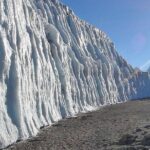
Once you reach the top, you’ll get big views—often with glaciers visible—plus you’re likely to be above the clouds. That’s the kind of moment that makes the earlier discomfort feel worth it. The trail then winds up and down through the Karanga Valley.
This is also the value day for acclimatization. It’s still a hiking day, but it’s not just a continuous grind upward. You get time at altitude, and you keep your breathing organized, which helps you arrive at the next camps with less panic than you’d have if the route were purely steep all the way.
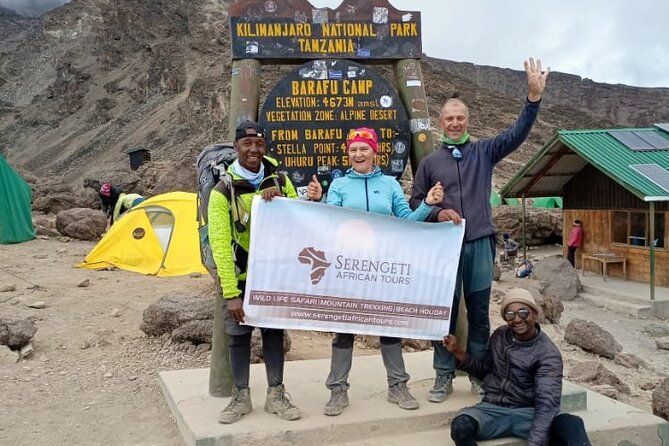
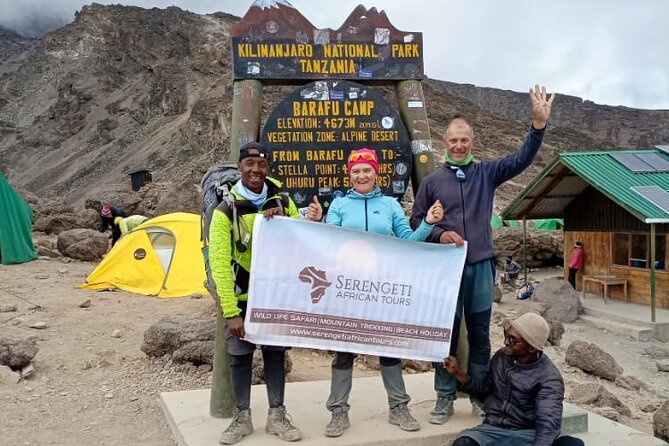
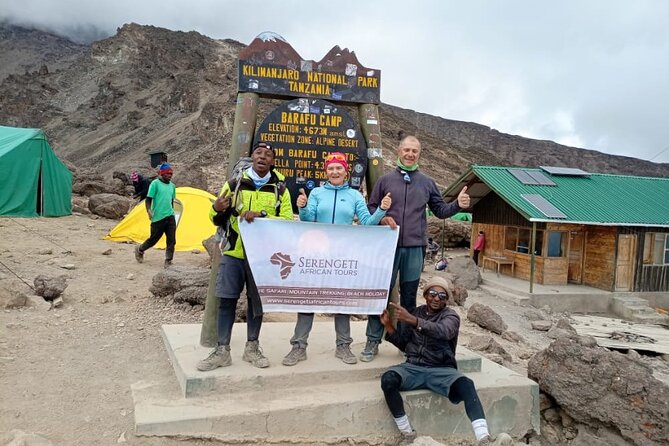
Day 5: Barafu Camp at 4,550m—wind, exposure, and last water planning
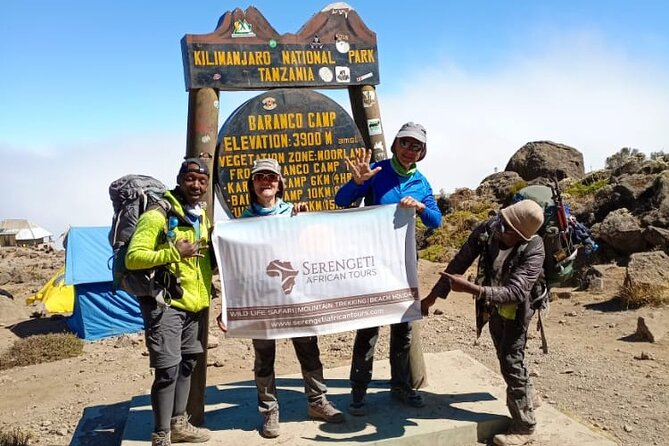
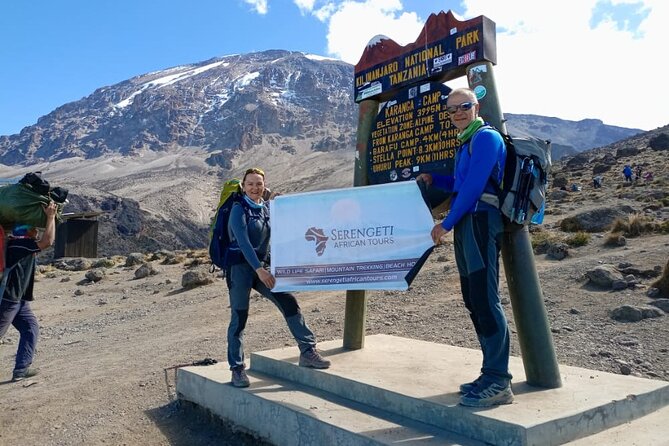
After breakfast at Karanga Camp (around 3,959m), you hike for about an hour, crossing onto the route intersecting with the Mweka descent trail. Soon you reach Barafu Hut. From there, you continue to Barafu Camp at about 4,550m.
This is where logistics become part of training. Barafu Camp has no accessible water, so it’s described as the last water stop for the porters. You’ll want to pay attention to what you’re doing with water and to follow your guide’s guidance, because after this point it’s all about managing supplies and keeping your energy steady.
Barafu itself is exposed. The word “barafu” means ice, and it’s on a rocky ridge where tents face wind and hard ground. Getting familiar with your campsite before dark matters because you’ll lose daylight faster than you want. Dinner is early, and rest is the plan.
Day 6: Midnight start, Stella Point (5,685m), and the sunrise to Uhuru Peak
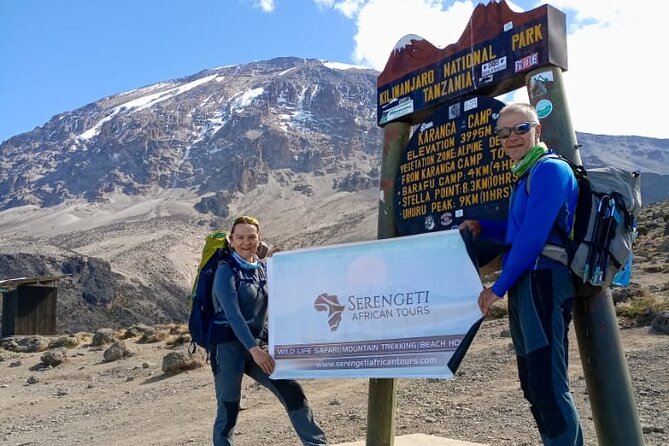
This is summit night. You’ll rise around 23:30, then have tea and biscuits before heading out in the dark. The trail heads north-west and you ascend through heavy scree toward Stella Point on the crater rim.
For many climbers, the walk to Stella Point is the most mentally and physically challenging stretch of the whole route. It’s a slog, and there’s not much scenery comfort at first because you’re focused on breath, footing, and time. But then you reach Stella Point at 5,685m, stop briefly, and—weather permitting—get a sunrise that’s described as the best people ever see on Kilimanjaro.
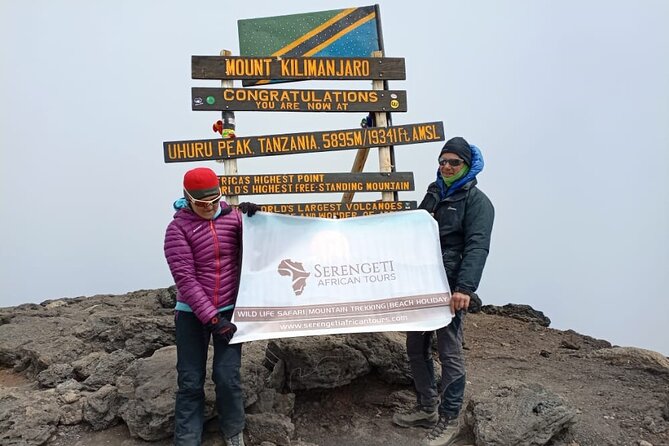
From Stella Point, the final push is to Uhuru Peak at 5,895m. You may encounter snow on the way up. The time spent on the summit depends on weather. The key is not chasing photos so hard that you overstay in cold air. Your guide’s calls here are more important than your stubbornness.
Day 7: Celebration, certificates, and descent back to Mweka Gate
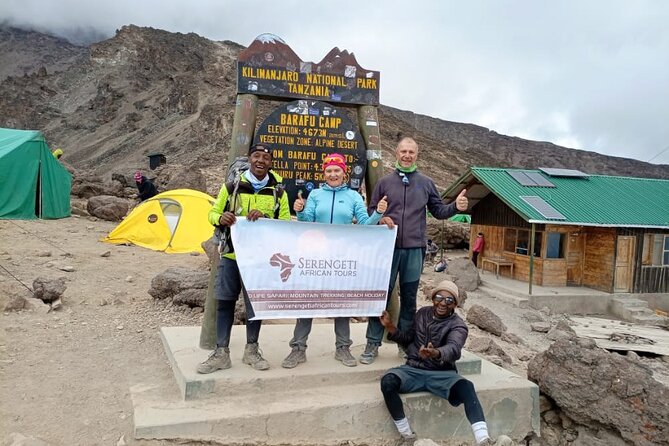
Day 7 begins with a well-deserved breakfast and a celebration with dancing and singing. After that, you present tips to the guide, assistant guides, chef(s), and porters. Even if tipping is not included in the price, this part is a core cultural moment of the mountain journey—recognizing the work that keeps you safe and fed.
Then you descend about three hours back to Mweka Gate, with the required certificate process at the gate. The national park system awards certificates based on altitude reached: green for those who reached Stella Point (5,685m) and gold for those who reached Uhuru Peak (5,895m).
After certificates, you go down into the village for about an hour (around 3 km). This is the wrap-up phase: the air feels a bit thicker, your legs finally get their turn to relax, and you get closure after a week of focused effort.
Price and logistics: where $2,300 really goes
At $2,300 per person for a 7-day Kilimanjaro climb, the biggest value comes from what’s included. You’re not just paying for the route name. You’re paying for the parts that matter most when you’re high on a mountain: guides, park fees and rescue fees, meals, and camp infrastructure.
Included highlights that affect your experience day-to-day:
- Private four-season tents meant for mountain nights
- Professional guides plus assistant support
- All meals on the mountain (breakfast daily, lunches, and six dinners)
- Mess tents with tables and chairs, which helps you eat like a person instead of crouching in a sleeping bag
- Clean, purified drinking water
- Fair and ethical treatment of porters
What you pay extra for:
- Tips (set by your judgment)
- Flights
- Personal climbing gear
In practical terms, this pricing structure reduces financial surprises and keeps you focused on climbing instead of constantly asking what’s missing. That’s especially important for Machame, where cold and rain can turn discomfort into a distraction if you’re not prepared.
The team side: how guides and food shape your summit odds
The operator running this trip is Serengeti African Tours, and multiple past climbs give the same message: the team effort is real. People praised communication from Lucas during the planning phase, and they also highlighted guides like James, Gasto, and David for staying focused on summit success.
That matters because Kilimanjaro isn’t only a physical challenge. It’s also pacing, mental steering, and practical decisions about when to push and when to protect your altitude adaptation. A strong guide team can keep you from wasting energy at the wrong moment.
Food and camp organization are another underrated advantage. The itinerary calls for large portions of fresh, healthy nutritious food, plus purified water handled by porters. In cold air, eating and hydrating consistently is not optional—it’s fuel.
Who should choose Machame with this operator
This tour is best for you if:
- You want the most popular scenic Kilimanjaro route with fast habitat changes
- You’re comfortable with a steep, difficult trail profile
- You have moderate fitness and some prior hiking or backpacking comfort
- You like the idea of camp support that handles meals, tents, and purified water
It’s a tougher fit if you’re after a gentler introduction to high altitude trekking, or if you dread long, steep nights like the pre-dawn summit walk.
A group size cap of 16 travelers helps keep things organized on the mountain. You’re not in a giant herd, but you’re also not in a tiny private expedition—there’s a balance.
Should you book this 7-day Machame climb?
If you’re excited by Kilimanjaro’s classic drama—muddy rain forest, exposed camps, a tough Lava Tower day, the Great Barranco Wall, and then that long summit night—this Machame climb is a smart choice. The value is strong because so many essentials are included: tents, meals, purified water, park and rescue fees, and experienced guide coverage.
I’d book it if you’re ready for hard days and cold nights, and you’ll treat altitude pacing as part of the challenge, not something to fight. If you want the easiest route or you know you struggle with steep terrain, you may want to reconsider your plan before committing to Machame.
If you do book, go in with a clear mindset: climb steadily, rest when offered, drink and eat what’s served, and trust your guide’s timing—especially on summit night.
FAQ
What route is this, and why is it called the Whiskey route?
This is the Machame route, also known as the Whiskey route. It’s described as the most popular route on Kilimanjaro, known especially for its scenic beauty, though it’s considered steep and challenging.
How long is the Kilimanjaro climb?
The experience runs for 7 days (approximately).
What’s the price for the Machame route?
The price is $2,300.00 per person.
What’s included in the tour price?
It includes all park fees and rescue fees, meals on the mountain (breakfasts, lunches, and dinners), quality tents and mess tents, purified drinking water, and professional mountain guides, with fair and ethical treatment of porters.
What is not included?
Tips, flights, and personal climbing gear are not included.
How big is the group?
The maximum group size is 16 travelers.
When do you start the summit push?
On summit night, you rise around 23:30, then hike toward Stella Point for sunrise (weather permitting), and continue to Uhuru Peak depending on conditions.